Lecture
RayOne Galaxy IOL: Innovation Through Spiral Optics
In his presentation at the 43rd ESCRS Congress in Copenhagen, Dr. Detlev R.H. Breyer, FWCRS, introduced the innovative spiral optics of the RayOne Galaxy IOL. He was the first ophthalmic surgeon in the world to be authorized to implant this lens after the study was completed. In his presentation, he shares his experiences with the lens. In addition to describing the optics and their advantages over diffractive trifocal lenses, he discusses the appropriate surgical technique and explains how the lens fits into our MI-LENS strategy, according to which we select premium lenses individually for each patient.
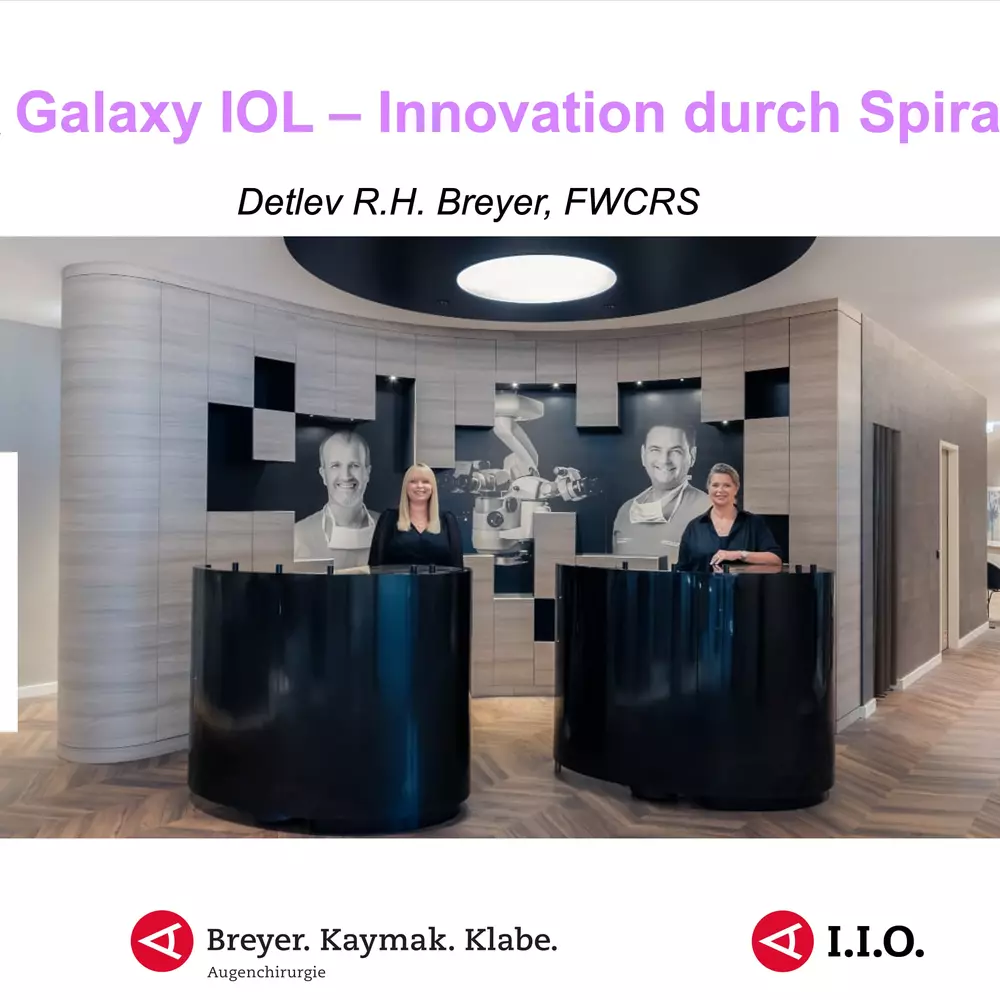
Presentation by Dr. Breyer on the RayOne Galaxy IOL
Spiral Optics – Developed Using a KL-Based Algorithm
The RayOne Galaxy is the first intraocular lens featuring innovative spiral optics. It was designed using AI and trained on patient outcomes. The goal was to provide maximum freedom from glasses for both near and distance vision with minimal side effects.
The result is an optical design with two spiral zones: one for near vision and the other for intermediate vision. The spirals wind from the inside to the outside with a continuous transition—without diffractive rings or concentric zones. Similar to a water vortex in a drain, they direct light toward the focal points (vortex effect).
Advantages of Spiral Optics
Minimal reliance on glasses for both near and far vision
Less glare, halos, and glare than with diffractive trifocal lenses
No loss of light
Above-average contrast sensitivity
What types of IUDs are there?
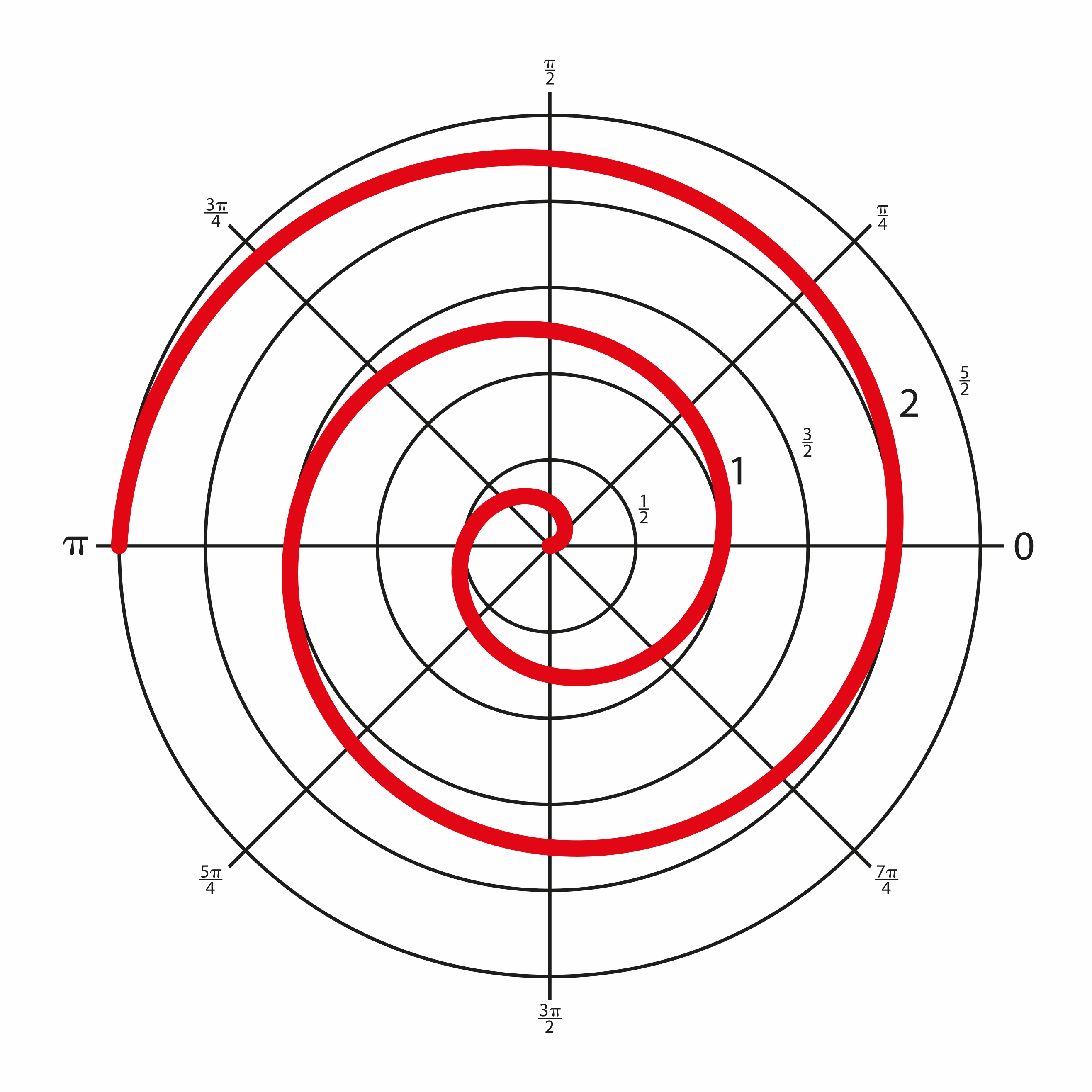
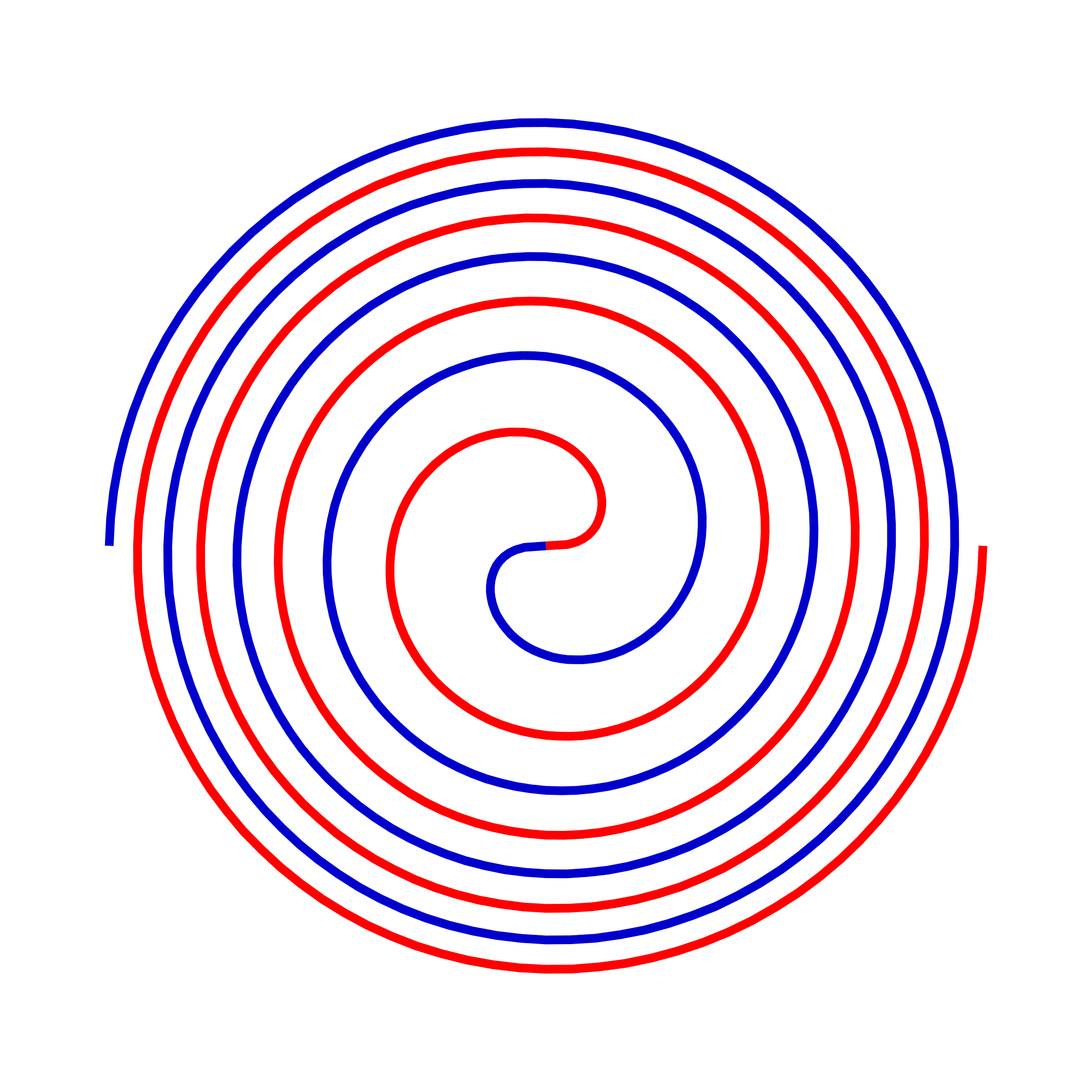
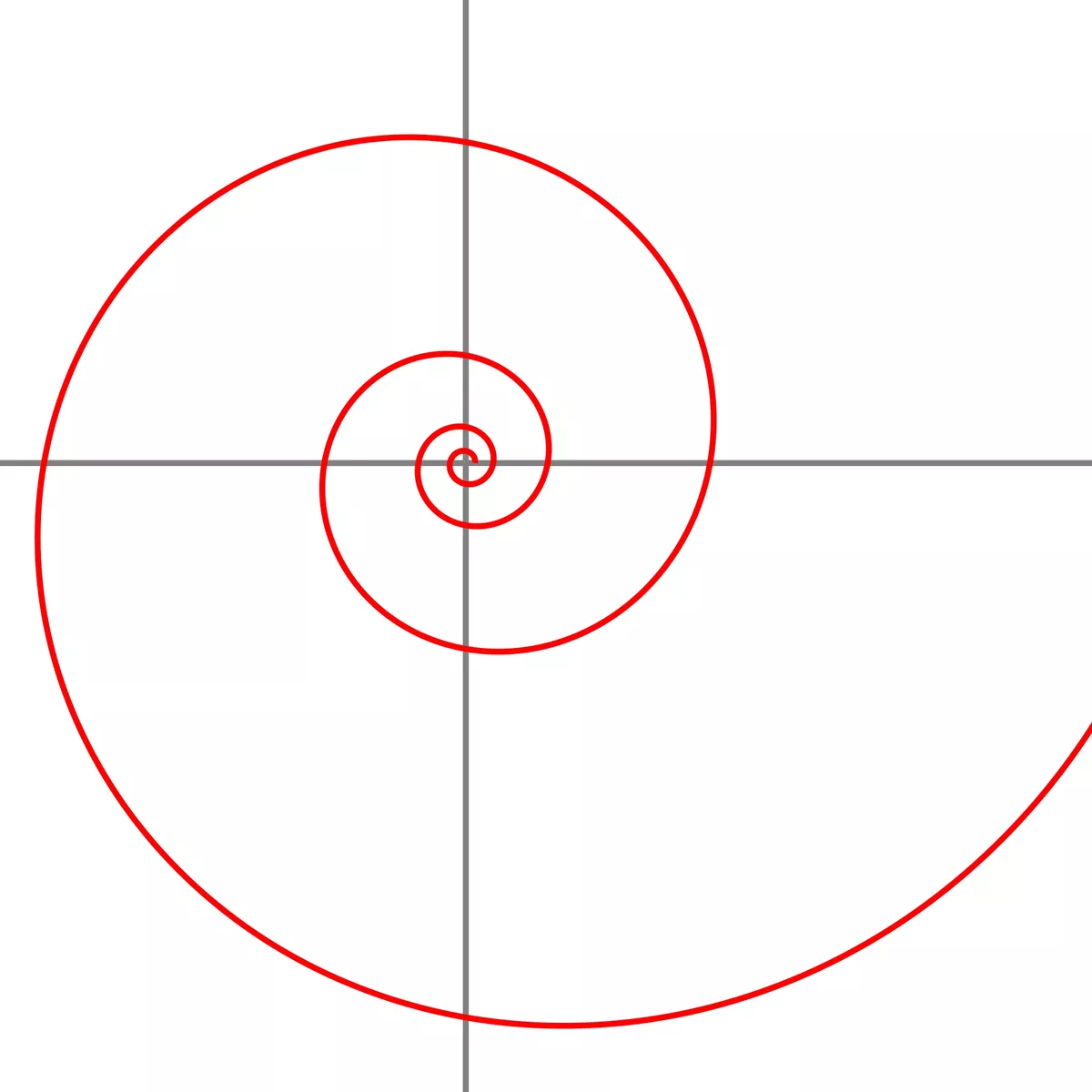
Not all spirals are the same. There are different shapes that vary in terms of the distance between the coils. However, Rayner does not reveal which spiral shape the RayOne is based on.
Archimedean spiral: It has a uniform distance between the turns, meaning they expand by a constant amount with each rotation.
Fermat spiral: Unlike the Archimedean spiral, the Fermat spiral has a decreasing distance between the turns, meaning the turns become increasingly denser toward the outside.
Logarithmic spiral: In this spiral, the radius increases by a certain factor in proportion to the arc length or spiral length.
Custom Lens Selection
Positioning of the RayOne Galaxy within our MI-LENS Strategy
The RayOne Galaxy is an excellent all-around MIOL for a high degree of independence from glasses. Its spiral optics enable high-quality, glasses-free vision with minimal side effects. Reading glasses are needed only for small print.
For those who also want to read small print without glasses and can tolerate the side effects of diffractive MIOLs, a classic diffractive MIOL remains the better choice.
If patients desire a high degree of independence from glasses but also want the best possible distance vision, the Düsseldorf method (EDoF Blended Vision) remains the method of choice.
With the RayOne Galaxy as well, approximately 10 percent of patients require a laser touch-up three months after surgery.
Dr. Detlev R.H. Breyer