
What is a cataract?
Cataracts – Symptoms, Causes, and Surgery
A cataract is a clouding of the eye’s lens that can begin as early as age 50 and leads to increasingly blurred vision over time. Among people over 70, about 50 out of every 100 suffer from cataracts. Cataracts can only be completely treated by implanting artificial lenses. Cataract surgery is one of the most commonly performed surgical procedures in humans. Today, it is possible to offer you near-total independence from glasses after cataract surgery through the implantation of multifocal lenses.

Schedule an appointment now for a
no-obligation consultation on cataracts
Symptoms
Cataracts – Symptoms
A cataract causes the eye’s lens to become cloudy. As a result, those affected see as if through a veil. Incidentally, the Greeks believed that this veil was caused by a fluid flowing down inside the eye, and they coined the name “cataract,” which means “waterfall.” Depending on the stage of the disease, a gray discoloration of the lens may even be visible from the outside, which is presumably where the German term, “der graue Star,” originated.
The clouding of the lens impairs the refraction of light rays in the eye and gradually leads to the typical symptoms of cataracts:
vision becomes increasingly blurry
Colors appear paler
sensitivity to glare increases
the eyes take longer to adjust to changing light conditions
spatial perception and distance vision deteriorate
Perception of halos around light sources


The Eye Lens
What is the function of the eye's lens?
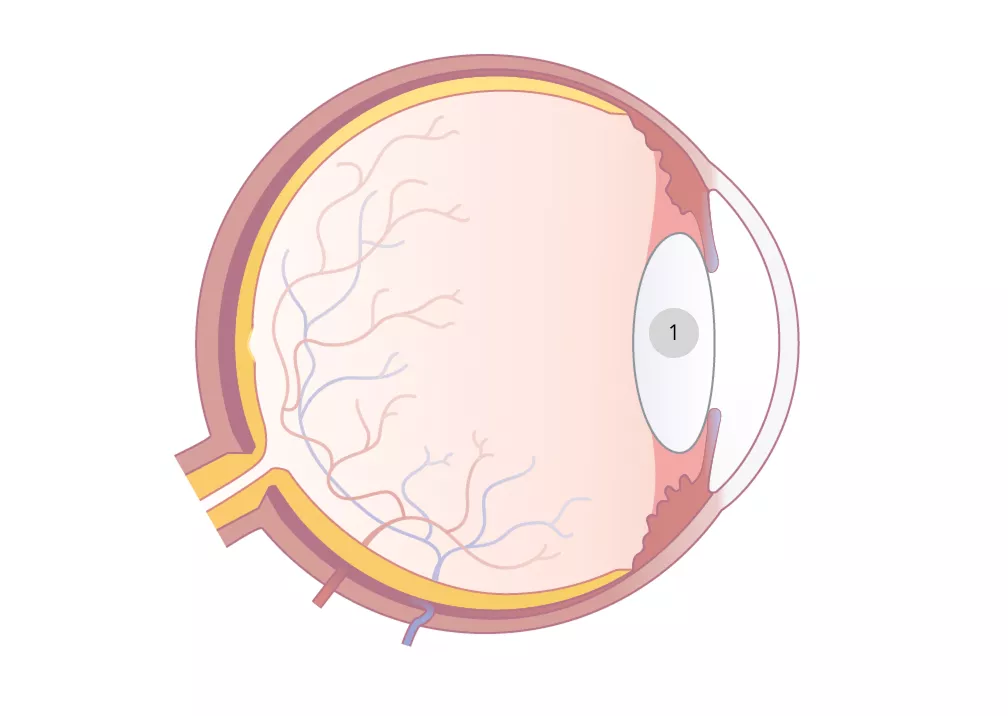
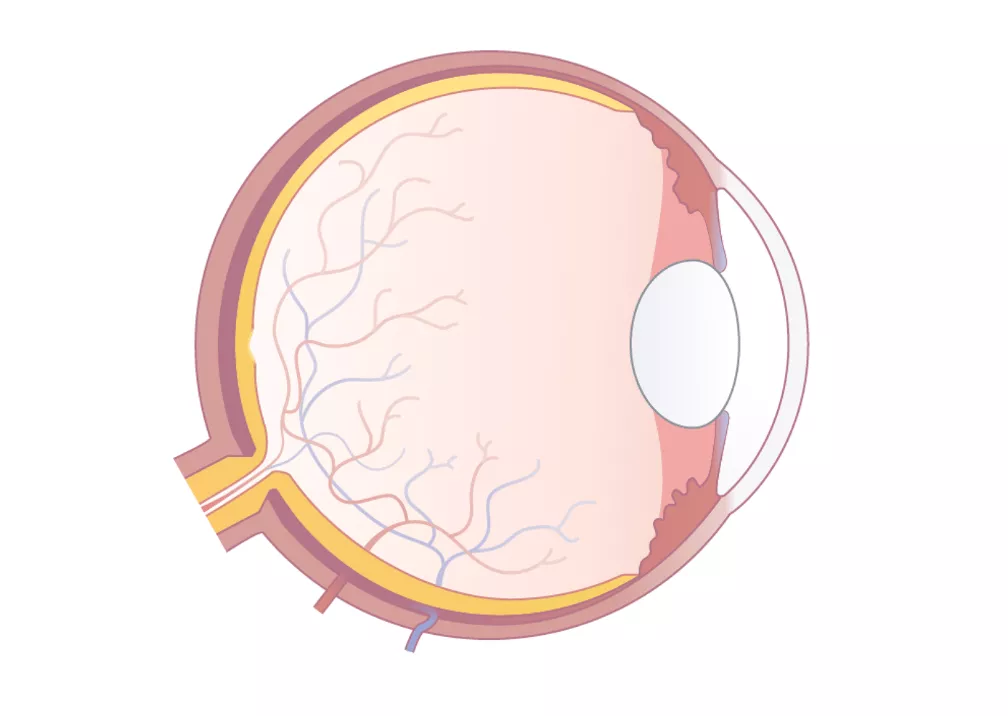
The lens of the eye (Greek "phakos") is an organ without nerves or blood vessels. It consists of a lens capsule and a lens nucleus. Like the lens of a camera, the eye's lens is crystal clear and convex on both sides. As a converging lens, the natural lens converges the light entering the eye and focuses it on the retina.
Development of a Cataract
How Does a Clouding of the Lens—a Cataract—Develop?
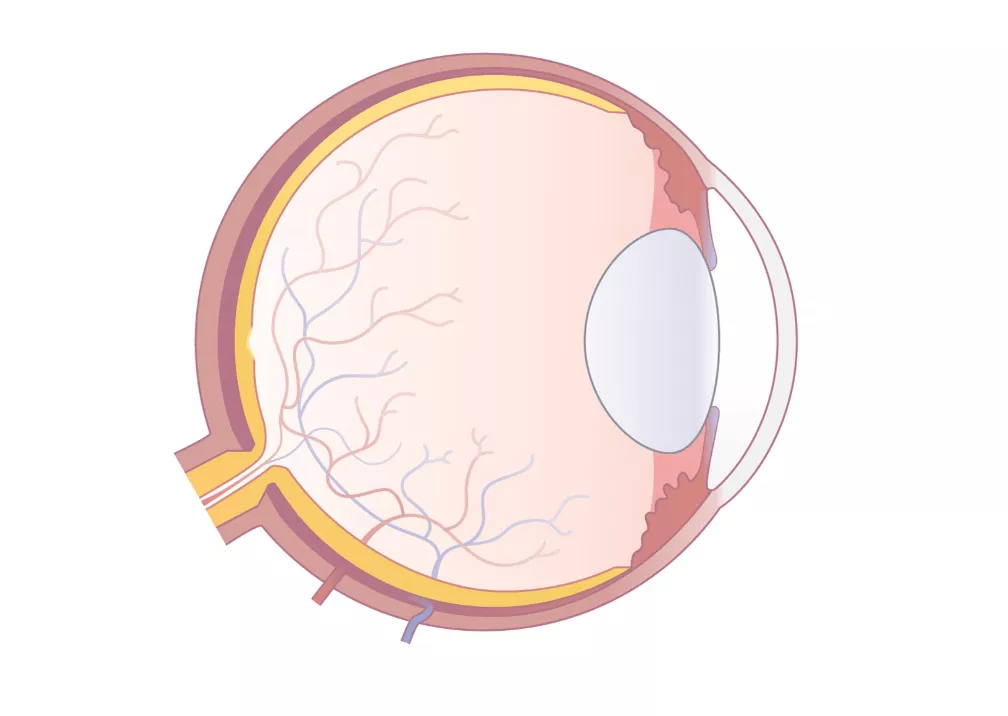
Over the course of our lives, the lens changes: New cells form in the nucleus, causing the lens to become thicker and less flexible over the years. As a result, it loses its ability to accommodate. This is known as presbyopia. It can be corrected with reading glasses, progressive lenses, or laser surgery.
In the case of cataracts, changes also occur inside the eye’s lens, for example, due to natural aging processes. The lens contains highly concentrated proteins that remain transparent thanks to the protective proteins A-crystallin (cryAA) and B-crystallin (cryAB).
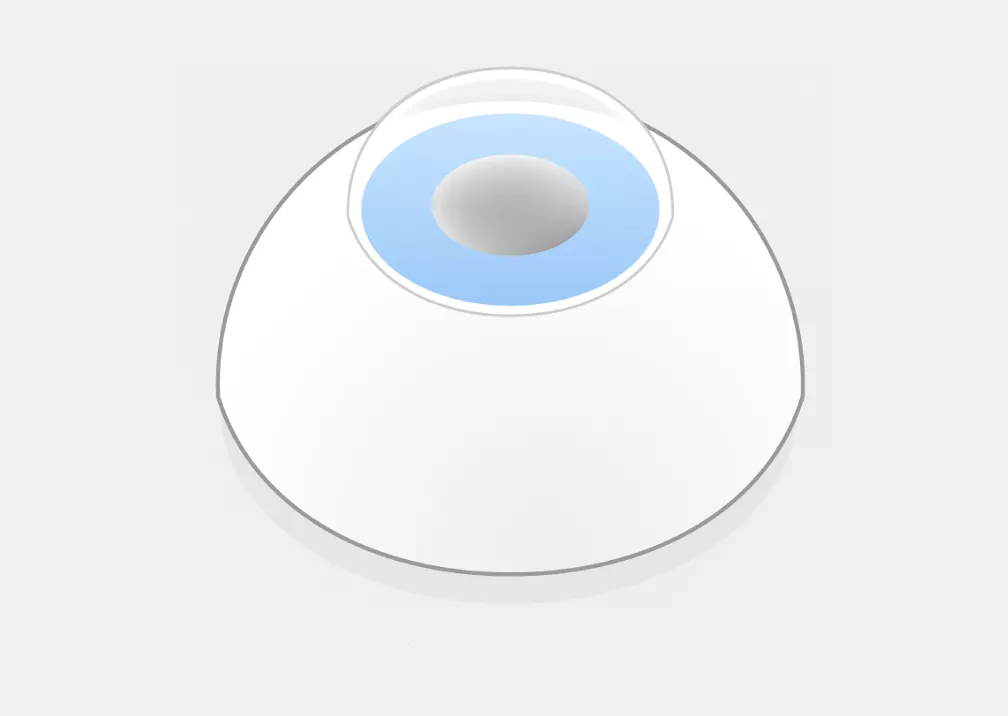
If these so-called crystalline proteins fail, the proteins clump together and cause the clouding of the lens that is characteristic of cataracts. This causes the incoming light to be scattered, resulting in blurred vision and sensitivity to glare.
At this time, there is no way to prevent or slow the progression of cataracts with medication. However, there are some risks that you can reduce by leading a healthy lifestyle to delay the onset of cataracts. Regular exercise and a balanced diet can also help prevent type 2 diabetes.

Avoid smoking
. It has been proven that cataracts develop earlier and progress more rapidly in smokers. The oxidative stress on the lens and the lower levels of antioxidants in smokers contribute to the increased severity of cataracts.1 By the way, you’ll also reduce your risk of other eye diseases, such as age-related macular degeneration (AMD) and glaucoma.Protect your eyes from sunlight
. UV light is a major risk factor that you can mitigate by wearing sunglasses with UV filters.Stay physically fit
. Study results suggest that physical activity has a positive effect and can delay the onset of age-related cataracts.23Make sure to eat a balanced diet
. Plenty of fresh fruits and vegetables are important because they contain antioxidants that, among other things, promote eye health.
Operation
Cataract Surgery
Cataracts are treated with surgery in which the interior of the clouded lens is removed and an artificial lens is implanted into the lens capsule. This is a routine procedure and is performed approximately 900,000 times a year in Germany. Unlike glaucoma, the damage caused by cataracts to the eye’s lens can be completely reversed with cataract surgery.
Incidentally, your public health insurance generally covers the cost of the procedure as well as a standard lens.

Are there alternatives to cataract surgery?
Neither reading glasses nor laser treatment can help with cataracts; only cataract surgery can.
As long as the clouding of the lens has not progressed to the point where it significantly impairs your quality of life, glasses can help. At a certain point, however, they can no longer improve your visual acuity. There are also currently no medications that can reverse the clouding. Cataract surgery is the only treatment option for removing a cataract. Afterward, most patients can enjoy clear vision again. With the implantation of multifocal lenses, it is even possible to be free of glasses after the procedure.
Book an appointment now for
a no-obligation consultation on cataracts
Timing of Cataract Surgery
When should cataract surgery be performed?
You can decide for yourself when to have the surgery. If your vision has deteriorated due to the symptoms of cataracts to the point where you feel limited in your daily life, you should consider surgery. To better assess whether surgery is necessary, ask yourself the following questions:
Do you sometimes have trouble performing your job safely?
Do your vision problems affect your ability to drive?
Do you have trouble reading or watching TV?
Do you find it difficult to cook, shop, climb stairs, or take your medications correctly?
Do your vision problems affect your independence?
Do you have trouble seeing in very bright light?
If you answered “yes” to more than one question, you should come in for a consultation. Or take the online self-assessment.

Potential Benefits of Cataract Surgery
Most people choose to have cataract surgery because they feel their quality of life is impaired. The surgery helps restore clear vision and may even eliminate the need for glasses. Afterward, you’ll be able to lead a more active life again because you’ll simply feel more confident.
clearer and sharper vision
Improved color vision
better contrast perception
Improved low-light vision
Better distance and near vision (with premium lenses)
greater safety in everyday life
Preoperative Diagnostics
Preliminary Examination and Treatment Process
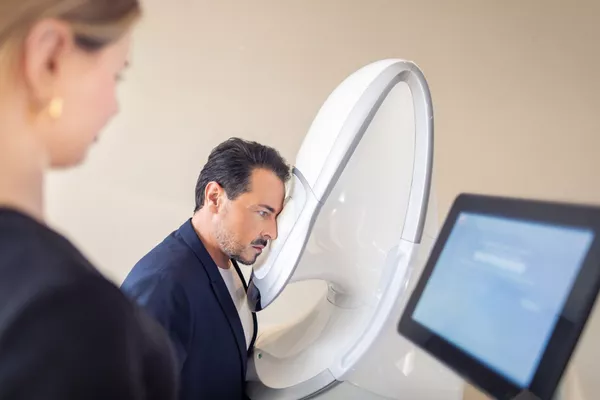
A thorough preoperative examination is essential for precisely planning cataract surgery, ruling out or identifying other conditions, and achieving the best possible visual outcome that meets your expectations. As a matter of principle, we use more equipment and procedures than are strictly required. This provides greater peace of mind for both you and us.

Lens Selection
Which lens is right for you?
Would you like to live without relying on reading glasses or progressive lenses after cataract surgery? If so, multifocal lenses with multiple focal points would be a good option for you. These premium lenses should be tailored to your individual visual habits, your expectations for visual quality, and the condition of your eyes. We have been studying the optics and properties of premium lenses for more than 15 years and can provide you with unbiased advice. Through thorough preliminary examinations and consultations with you, we will work together to select the intraocular lenses that are best suited to your needs.


Best-corrected visual acuity / Düsseldorf chart
Customized combination of multifocal lenses based on the principle of overlap visual acuity
If you frequently drive at dusk or at night, or if you are already significantly bothered by glare before the surgery, we offer a combination of intraocular lenses with extended depth of focus—known as EDoF lenses—based on the principle of cross-glare vision. These lenses are individually selected and combined for you to provide sharp vision at multiple distances while minimizing light phenomena such as halos and glare. Dr. Breyer helped develop this lens technique and named it the “Düsseldorf Scheme.” He would be happy to consult with you.

Your surgeon's experience and the choice of lens have a significant impact on the outcome of your cataract surgery if you want to be free from glasses.
Dr. Detlev Breyer
Laser surgery
Cataract Surgery Using a Femtosecond Laser
Since 2012, we have been using a femtosecond laser for cataract surgery upon request, and since August 2024, we have been using the latest generation, the LENSAR ALLY. The use of the femtosecond laser provides you with added safety and allows for even more precise positioning of the intraocular lens within the eye. This is particularly important if you choose a premium lens—and especially when correcting astigmatism. We’d be happy to advise you!

Schedule an appointment for a
no-obligation initial consultation.
FAQs
Frequently Asked Questions
Here you will find common patient questions about cataracts and cataract surgery.
-
There’s never an absolute guarantee in medicine, but the new ALLY (Lensar) laser goes a long way toward ensuring safety. Dr. Breyer, a leading physician at Focus, has performed approximately surgeries in his career as a surgeon. He would never claim to be as precise and safe as a laser or to be able to perform surgery as gently. He uses the laser to operate on 90 percent of his patients.
-
At the very latest when you feel that your vision is significantly impaired—because you can no longer perceive contrasts well or suffer from glare while driving—you should consider cataract surgery. As surgeons, however, we always recommend that our patients not wait too long, because the risks of the surgery increase with age. A very hard lens nucleus is more difficult to operate on, and other health problems may also arise as you age.
Cataract surgery is a routine procedure. We use a very gentle, minimally invasive technique—and a laser, if desired. The lenses available today offer such excellent visual quality that most patients tell us afterward: “I wish I’d had this done sooner.” And, by the way, many people are already doing this as soon as presbyopia sets in—well before the age of 60—so they can become independent of reading glasses. The idea that one should wait until the “cataract is ripe” is therefore no longer relevant.
Conclusion: With minimally invasive surgical techniques and individually selected intraocular lenses, cataract surgery is now well-tolerated, and visual quality is significantly better than it was just a few years ago. It can now be performed even in the early stages of cataract development.
-
If your vision begins to deteriorate again some time after your cataract surgery, a secondary cataract may be the cause. It can be removed with a brief YAG laser treatment. Learn more about secondary cataracts.
-
The procedure takes about 5 minutes and is painless.
-
The lenses remain in the eye for a lifetime. The optical parameters are calculated in advance.
Schedule an appointment
If you’re interested in achieving the best possible vision without glasses after your cataract surgery, please feel free to schedule an appointment for a no-obligation initial consultation or a preliminary examination. You can reach us by phone, email, WhatsApp, or online via doctolib.de. We’d also be happy to call you back. We look forward to hearing from you.