
Laser Eye Surgery
Laser Eye Surgery—From SMILE to Femto-LASIK to Presby-LASIK
Do you want to be free from glasses or contact lenses while on vacation or playing sports, and are you considering laser eye surgery? Here we provide a brief overview of which laser eye surgery procedures are gentle, pain-free, and safe—from SMILE Pro to Femto-LASIK, including laser eye surgery as an alternative to progressive lenses (Presby-LASIK) for presbyopia. – By the way, Dr. Breyer used this procedure to perform laser treatment on himself.


No need for reading glasses or progressive lenses—both are possible!
We’re confident we can find a laser procedure for you that will improve your vision, both up close and at a distance. Take our eligibility test, use our method finder, or book an appointment right away for a free, no-obligation initial consultation with a Quick Check.



Schedule an appointment with Dr. Detlev Breyer
Dr. Detlev R.H. Breyer, a Focus Top Physician, is one of the pioneers of laser eye surgery and has personally performed over procedures. Numerous elite athletes have undergone laser eye surgery performed by him. With him, you’re in the best of hands. Good to know: He is one of only five pioneers worldwide who offer the latest SMILE Pro procedure using the VISUMAX 800. Book an appointment now for a no-obligation initial consultation with a quick checkup.
Schedule an appointment for a
free introductory consultation.
Which laser eye surgery procedure is right for you?



Would you like to enjoy your next vacation without glasses or contact lenses?
Dr. Detlev R.H. Breyer

The Next Steps and the Process at PremiumEyes
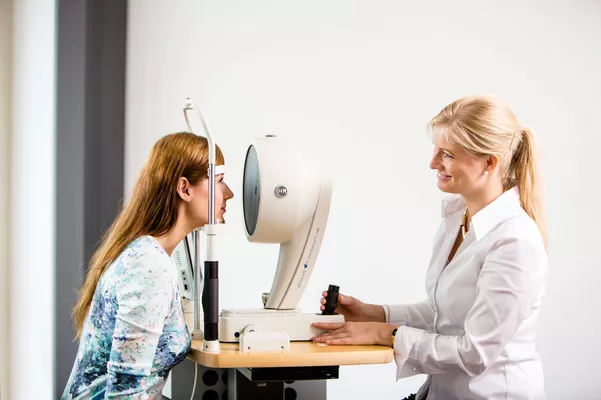
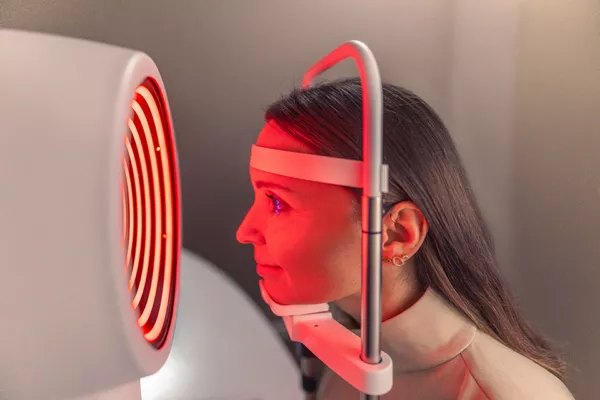
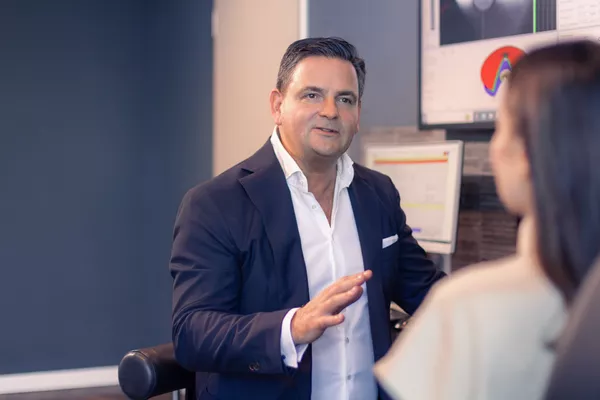
-
SMILE pro: Vision correction achieved by creating a corneal lenticule in the stroma using a femtosecond laser. No pain, no flap, just a small incision, significantly lower risk, and ideally suited for those who cannot tolerate contact lenses. Sports and makeup are permitted as early as the day after treatment.
Femto-LASIK: Vision correction using an excimer laser in the stroma after a flap is created with a femtosecond laser; slightly fewer intraoperative risks than LASIK, but a higher postoperative risk due to the flap; not suitable for people with dry eyes. Do not rub your eyes or wear makeup for 3 weeks after treatment; resume sports after 4 weeks.
Trans-PRK SmartSurf: Non-contact ablation of the epithelium and correction of refractive error on the surface using a Schwind excimer laser; 1 to 2 days of postoperative pain; visual recovery takes 2 to 3 weeks; higher risk of infection.
LASIK: Correction using an excimer laser in the stroma following a painful flap incision made with a microkeratome; higher intra- and postoperative risks due to the flap incision made with a microkeratome; not suitable for people with dry eyes. Do not rub your eyes or wear makeup for 3 weeks after treatment; resume sports after 4 weeks.
PRK, LASEK, Epi-LASIK: Removal of the epithelium, correction of the refractive error on the surface using an excimer laser; 3 to 5 days of postoperative pain; vision recovery in 4 to 6 weeks; higher risk of infection. Resume sports after 4 weeks.

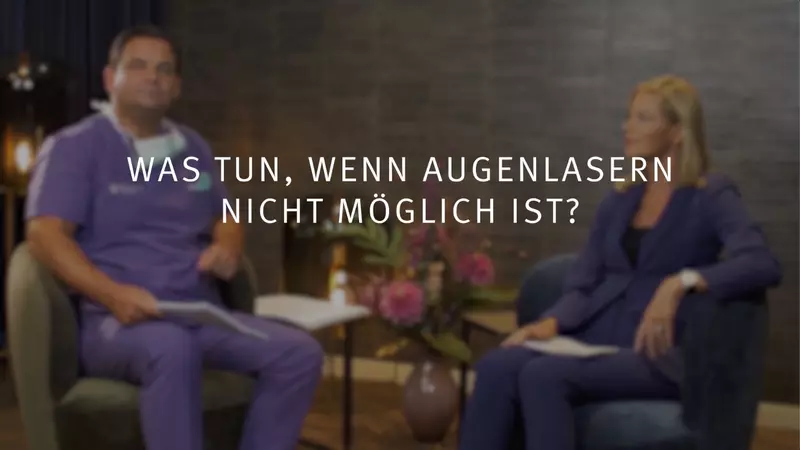
Interview with Focus’s leading ophthalmologist, Dr. Detlev R.H. Breyer (FWCRS), conducted by Nina Ruge. Dr. Breyer answers all the questions posed by the well-known host—questions that many patients also have about laser eye surgery: Who is a good candidate for laser eye surgery? What are the risks? Isn’t wearing contact lenses safer than laser eye surgery? When can I start wearing makeup again after laser eye surgery, and when can I shower or drive a car? The topic of pain during laser eye surgery is discussed in particular. With the new procedures, you don’t need to worry about that. Be sure to check it out.
In June 2020, Dr. Breyer, a specialist in laser eye surgery, underwent laser eye surgery himself
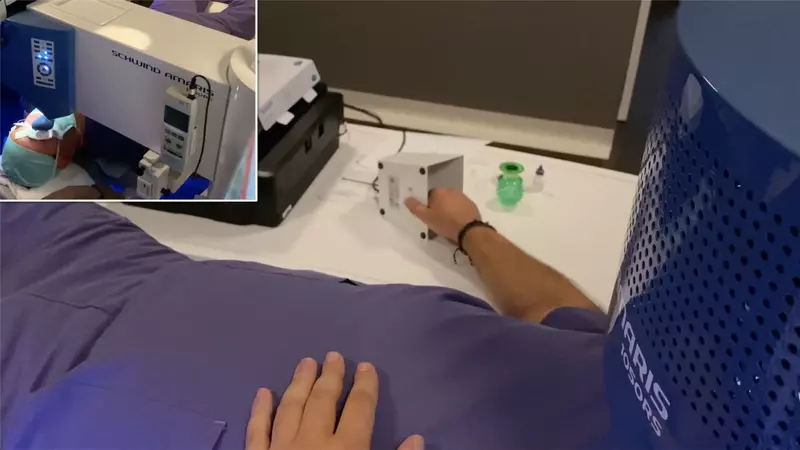
Eye surgeon Dr. Detlev R.H. Breyer of Düsseldorf, a Focus Top Physician in refractive surgery and cataract surgery, is one of the pioneers of laser eye surgery. In June 2020, he underwent laser eye surgery on himself to correct his presbyopia. For this, he chose the TransPRK procedure with SmartSurfACE technology and the transition visual acuity calculation based on the Düsseldorf scheme, which he called the PresbyEDoF DUS formula. You can read more about his treatment in our blog post.
Here's what our patients say about their laser eye surgery

Find out now in just 2 minutes if laser eye surgery is an option for you!
You can find more information about laser eye surgery here






What are the alternatives to laser eye surgery?
Are your refractive errors too severe, or is laser eye surgery not an option for you for other reasons? In that case, depending on your age and individual preferences, we recommend either implantable contact lenses (ICLs)—which Dr. Breyer has been implanting since 2002, making him one of the first in the world to do so—or premium lenses, which are implanted as part of a refractive lens exchange. You can learn more about this in the following sections:


Schedule
an appointment for a free initial consultation.

In this video, Detlev R.H. Breyer discusses with host Nina Ruge the common misconceptions and concerns about laser eye surgery—such as the belief that it is painful, causes dry eyes and glare, and that the risks and costs are too high. Furthermore, ophthalmologists do not undergo laser eye surgery themselves. Are these concerns justified? What do the facts show?
Frequently Asked Questions from Patients About Laser Eye Surgery
-
The choice of laser eye surgery procedure depends on several factors, such as the severity of your vision impairment (diopters) in combination with the thickness of your cornea. In addition, we conduct comprehensive preliminary examinations to identify any risks so that we can offer you the safest procedure. As a general rule, we only use procedures with a high safety profile. For this reason, we no longer perform microkeratome LASIK, which involves the use of a blade. Instead of a blade, we use a safe femtosecond laser; this procedure is called Femto-LASIK. The correction is performed using one of the most advanced excimer lasers, which offers you the highest precision. One of the newest, safest, and most precise procedures we offer is performed exclusively with the VISUMAX 800 femtosecond laser: SMILE pro. In addition, we also perform specialized procedures to correct presbyopia. We’d be happy to advise you.
Or use our Method Finder for an initial assessment. -
There are important criteria that can help you find a skilled and experienced eye surgeon—these include:
Extensive surgical experience ensures safety. The more experience an eye surgeon has in the field of laser eye surgery, the lower the risk for you. They should perform at least 250–300 surgeries per year, preferably more. This is especially true for the SMILE procedure, as it places higher demands on the surgeon.
Look for a wide range of refractive treatment options. Your surgeon should be proficient in as wide a range of refractive surgery techniques as possible to offer you the best treatment for your needs.
Choose an eye center or clinic with a variety of specialists. Larger centers or clinics that employ doctors with different areas of specialization are advantageous. These specialists have particularly strong training and take a holistic approach to your eye care. They will also be there for you should you develop a condition in the future.
Give preference to accredited ophthalmologists and eye centers. The Joint Commission on Refractive Surgery (KRC) of the Professional Association of Ophthalmologists (BVA) and the German Ophthalmological Society (DOG) establishes quality guidelines for refractive treatments and provides recommendations for the training and continuing education of eye surgeons. The BVA maintains a list of accredited ophthalmologists and eye centers that meet these criteria.
Be wary of unscrupulous providers. Be sure to thoroughly research the various surgical procedures beforehand. Providers often advertise procedures such as SMILE or Femto-LASIK but then perform microkeratome LASIK, which is significantly less expensive. We advise our patients against traditional LASIK due to the potential risks and dangerous complications associated with it.
Be wary of extremely low prices. Laser eye treatments, such as SMILE, when performed by reputable providers, involve costs for regular staff training, high-quality technology for preoperative examinations, state-of-the-art lasers, and consumables. Extremely low prices are only possible if corners are cut on training, diagnostics, and consumables, and if outdated lasers are used. This increases your risk of complications.
Take a close look at laser chains with multiple locations. In these chains, the surgeon may travel from location to location to perform the surgeries. Especially after surgery, follow-up care is often provided by less experienced doctors who may not always be able to recognize or manage potential complications. Make sure your surgeon is available to speak with you at the eye center at any time, both before and after the surgery.
Be particularly cautious with laser eye surgery centers abroad. We have seen several patients who experienced complications after undergoing laser eye surgery abroad. They report that they received excellent advice and care during the preliminary consultation and preoperative examination. However, after the treatment and payment, the surgeon could no longer be reached, and consultation in German or English was no longer possible.
-
Laser eye surgery is one of the safest medical procedures available today. Every year, millions of people worldwide successfully undergo laser eye surgery. Modern technologies and minimally invasive laser procedures, experienced specialists, and strict medical standards ensure the highest level of safety. However, please keep the above criteria in mind when selecting a surgeon.
To offer you the highest possible level of safety, we use only the most advanced technologies for diagnostics and laser treatments. Using state-of-the-art diagnostic equipment from various manufacturers, we can identify risks and plan your treatment with precision. In doing so, we adhere to the guidelines of the Commission for Refractive Surgery (KRC).2 At PremiumEyes, we treat you exclusively with the latest generation of lasers made in Germany. Our experienced lead eye surgeon, Dr. Detlev R.H. Breyer—a “Top Physician” as recognized by Stern and Focus—is one of the pioneers of state-of-the-art laser eye surgery and lens procedures and has performed over 70,000 procedures. If laser eye surgery is not an option for you, he will suggest alternatives. -
The VISUMAX 800 detects this and briefly pauses the laser procedure. The Schwind AMARIS 1050RS excimer laser features 7-D eye tracking. This system also detects even the slightest movement of your eye and compensates for it during the laser procedure. So you don’t need to worry about that. Dr. Breyer is a highly experienced eye surgeon; he handles these and other situations with complete confidence.
-
Very quickly. Many patients see much more clearly just a few hours after the procedure. Most achieve full visual acuity a few days after laser eye surgery. The exact timing also depends on the procedure. We’ve put together an overview for you here. So: Soon, everything will be possible again—along with the wonderful feeling of finally seeing clearly.
-
The procedure is virtually painless; most patients report, for example, that after laser eye surgery using the SMILE pro procedure, Femto-LASIK, or TransPRK with SmartSurfACE technology, they felt only slight pressure. With traditional PRK, some pain is to be expected; we will explain this to you in advance. You can find more information on this in the comparison table on this page and on the subpages for the respective laser procedures.
-
After laser eye surgery with SMILE pro, you can resume all your normal activities the very next day—including showering, applying makeup, and even practicing martial arts—there are no restrictions. With other methods, it takes a little longer; in particular, you should wait two to four weeks before resuming sports, though this varies depending on the procedure. You can learn more about this in this overview or on the subpages about the respective methods.
-
Freedom! No more foggy glasses, no more searching for your glasses, no more burning eyes from contact lenses. Instead, you’ll enjoy clear vision in every situation: whether you’re playing sports, on vacation, traveling, or just going about your daily life, life becomes noticeably easier and more comfortable.
-
Very high: More than 95 percent of patients achieve 100 percent or better visual acuity after the procedure.
-
In the vast majority of cases, the results last a lifetime, especially if vision had been stable for more than a year prior to the procedure. If visual acuity changes after age 45, it’s due to presbyopia, which affects everyone as they age. Incidentally, presbyopia can also be treated with laser surgery: Dr. Breyer even had his reading glasses “lasered away”! Watch the video here.
-
People 18 years of age or older with healthy eyes and stable vision who have had nearsightedness or farsightedness for one to two years. Presbyopia (which typically begins around age 45) can also be treated with laser surgery, and we can correct all types of refractive errors, even when combined with astigmatism. You can find more information in the section on refractive errors on this page, or discover which method is right for you. A no-obligation initial consultation with a Quick-Check will provide you with preliminary information within one to two hours as to whether you are a good candidate. Otherwise, lens procedures are also available as an alternative.
-
Costs vary depending on the procedure. You can find detailed information about costs either on the pages about the respective laser procedures or on the page about Costs and Financing. We’ve also compared the costs of laser eye surgery to those of glasses and contact lenses, including care products. The bottom line: In the long run, you’ll save money and improve your quality of life.
-
Because clear vision means freedom, and every day without corrective eyewear means a better quality of life. The sooner you make your decision, the longer you’ll enjoy the benefits. Get a no-obligation consultation and discover how easy the path to a life without glasses can be. Book an appointment now for a no-obligation initial consultation.
-
Of course, ophthalmologists also undergo laser eye surgery. Dr. Breyer and other eye surgeons who perform laser treatments themselves have undergone the procedure more frequently than the general population and are very satisfied with the results. This is also confirmed by a survey of refractive surgery specialists in the U.S. 3
Speaking of satisfaction: A research group investigated the question: “How satisfied are doctors who have undergone laser treatment?” To this end, they conducted a retrospective study of doctors who had undergone laser surgery over the past 12 years at the Cleveland Clinic Cole Eye Institute in Ohio, USA, performed by the same eye surgeon (R.R.K.): 226 doctors met the criteria and were contacted; 132 of them participated in the study. The results, published in the Journal of Cataract and Refractive Surgery (March 2014), are actually not surprising:
95.3% of the doctors are, overall, very satisfied with their laser eye surgery in the long term,
even the 39% among them who had high standards for visual quality because they performed surgeries themselves. 4
Laser eye surgery met the expectations of doctors just as much as it did those of other patient groups.

Book an appointment now
If you’re interested in achieving the best possible vision without glasses, please feel free to schedule an appointment for a no-obligation initial consultation. You can do so through our online calendar via Doctolib, by phone, or via WhatsApp. We’d also be happy to call you back. Please use our contact form to request a callback.