
Laser Eye Surgery
Laser Eye Surgery with Femto-LASIK and the World's Fastest Eye Lasers

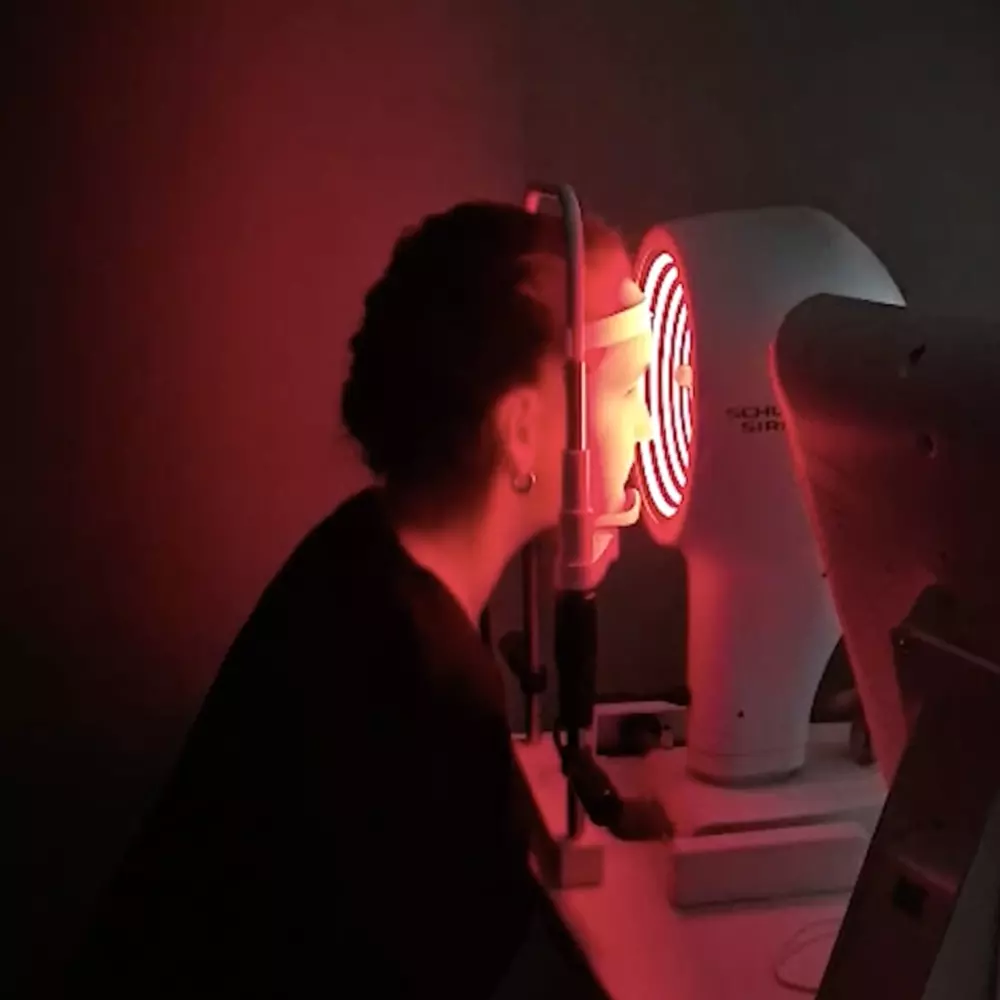
Femto-LASIK has been in use since 2004. In 2007, NASA approved this painless and safer version of LASIK for astronauts. In Femto-LASIK, a femtosecond laser first creates a corneal flap, after which the actual vision correction of the cornea is performed using an excimer laser. We use only the latest technology for your eyes: the new VISUMAX 800 femtosecond laser (Zeiss) and the fastest excimer laser, the Schwind Amaris 1050RS.
Schedule an appointment
If you’re interested in achieving the best possible vision without glasses, take the next step and schedule an appointment for a quick checkup or a free initial consultation with Focus-Top physician Dr. Detlev R.H. Breyer, FWCRS, in person, and receive personalized advice. You can reach us by phone, email, WhatsApp, or online via doctolib.de. We’d also be happy to call you back. We look forward to hearing from you.
Schedule an appointment for a free initial consultation.
Only in this area can a thin corneal flap then be lifted by the surgeon carefully severing the tissue bridges between the gas bubbles. This not only makes it possible to create a thinner flap, but this blade-free cutting method is also safer. Complications from an incorrect incision, as seen with LASIK, are practically negligible. If the first “incision” made with the femtosecond laser is not perfect, it can be repeated immediately. The cornea is not damaged because the tiny bubbles created by the femtosecond laser are absorbed by the cornea, and the tissue grows back together.
The quality of the flap is important for the visual outcome. That is why the VISUMAX 800 is important for correcting refractive errors, including presbyopia.
Dr. Detlev Breyer
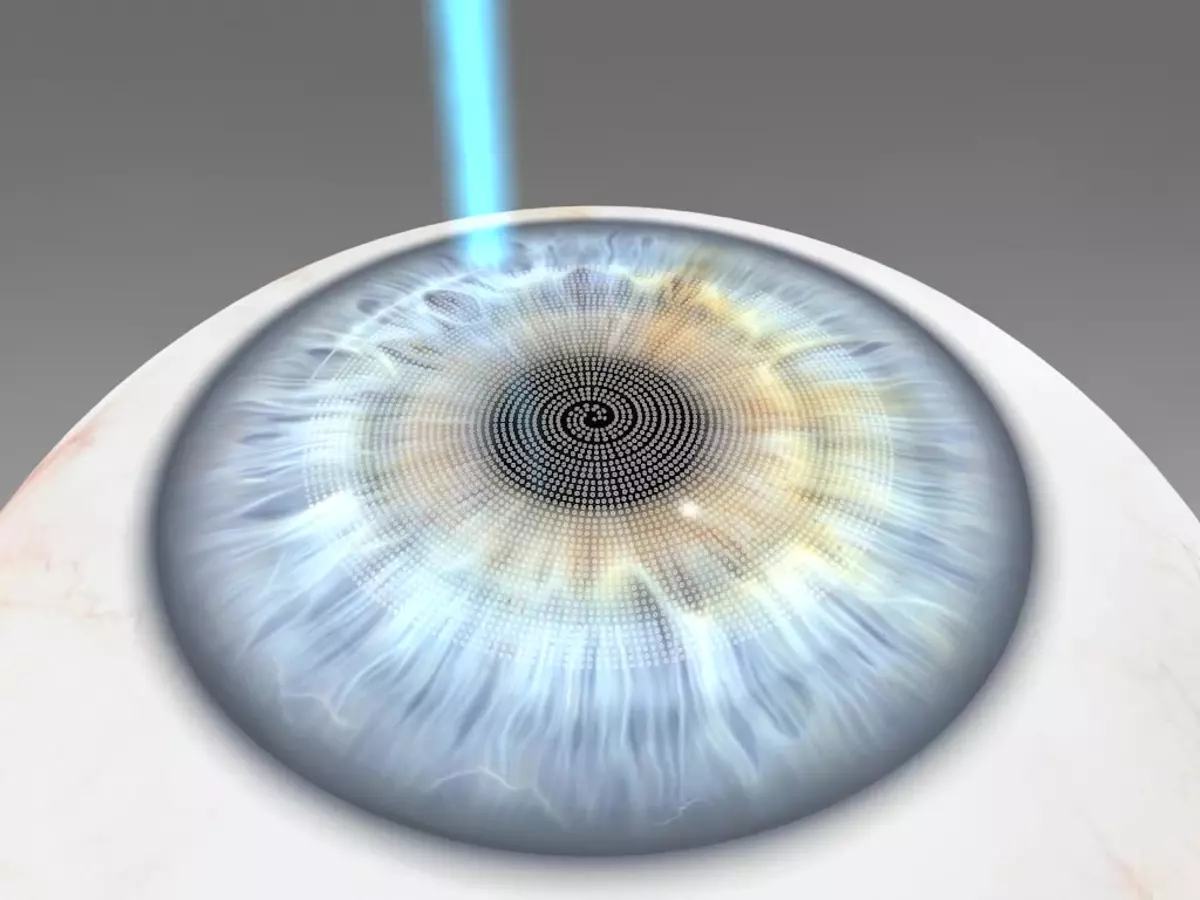
With the new VISUMAX 800, flap preparation during Femto-LASIK takes only a few seconds and is completely painless. The VISUMAX 800 is the most advanced and fastest femtosecond laser from Carl Zeiss Meditec AG, offering you the highest level of precision.
Use of the Excimer Laser
Correcting Refractive Errors with the Excimer Laser
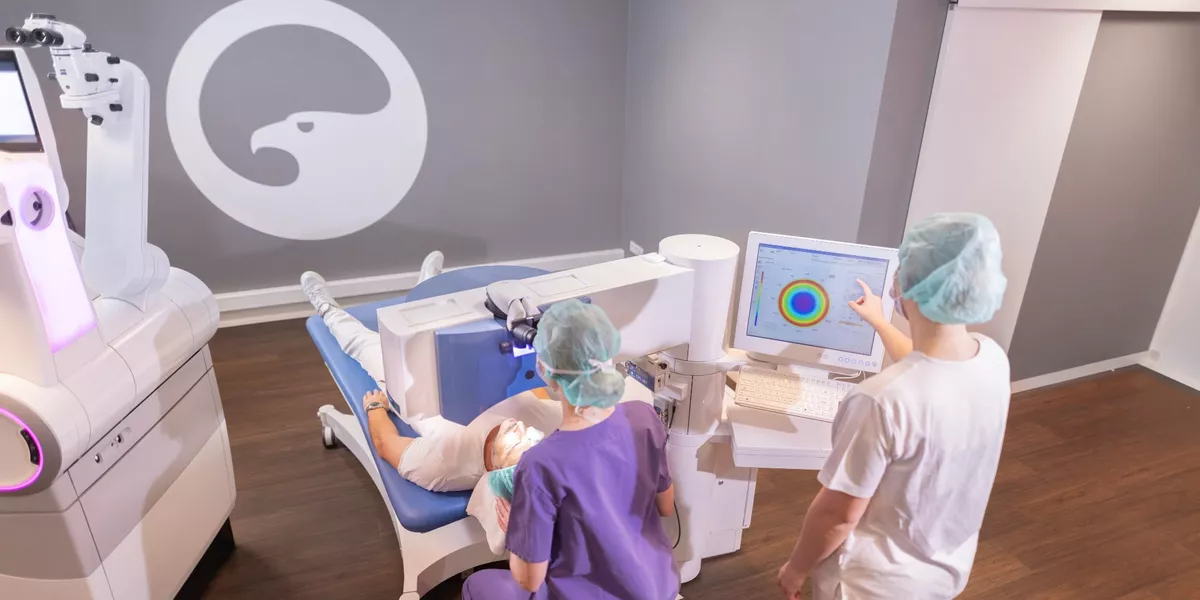
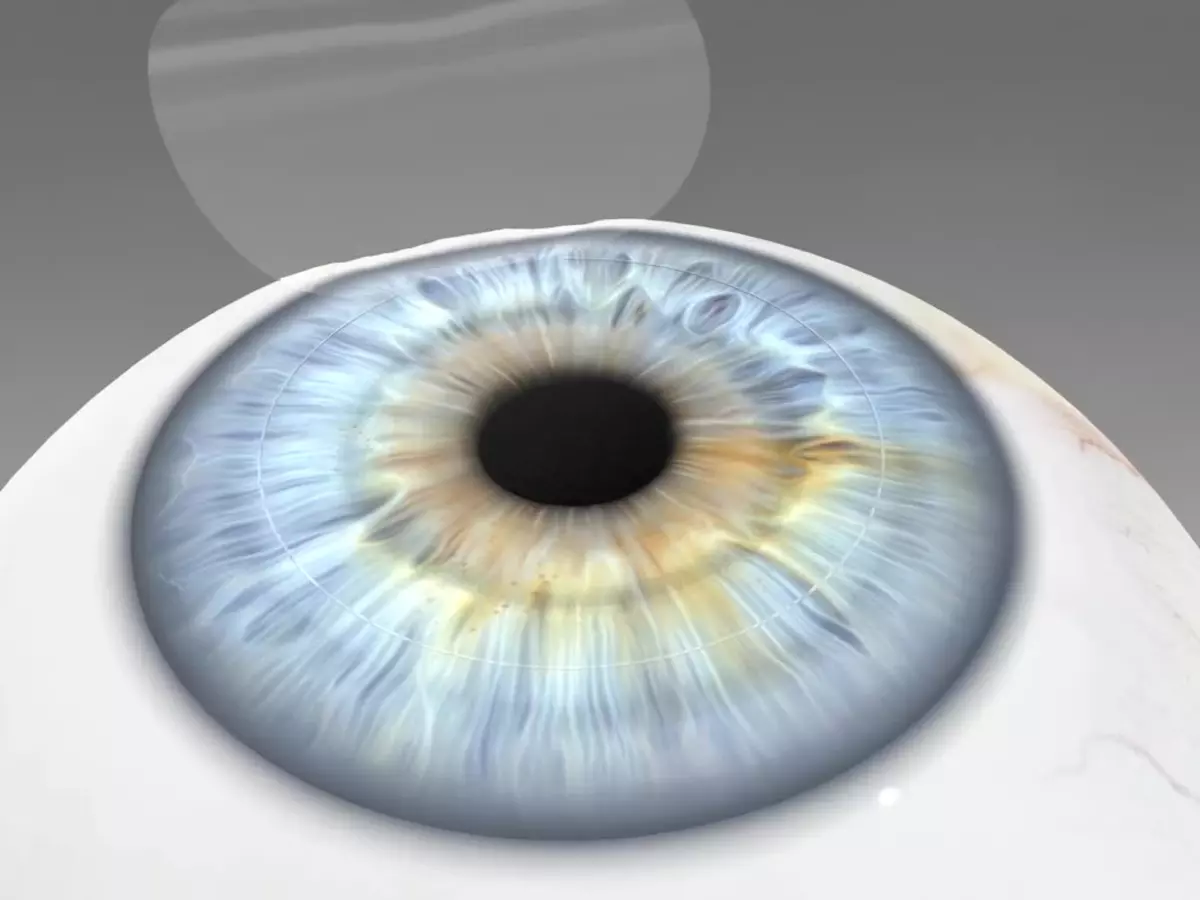
For this laser eye surgery, we use what is currently the world’s fastest excimer laser: the Schwind Amaris 1050RS. It corrects one diopter in approximately 1.3 seconds. Meanwhile, its 7-dimensional eye-tracking system monitors every involuntary eye movement and precisely factors these movements into the ablation profile.
Femto-LASIK Step by Step
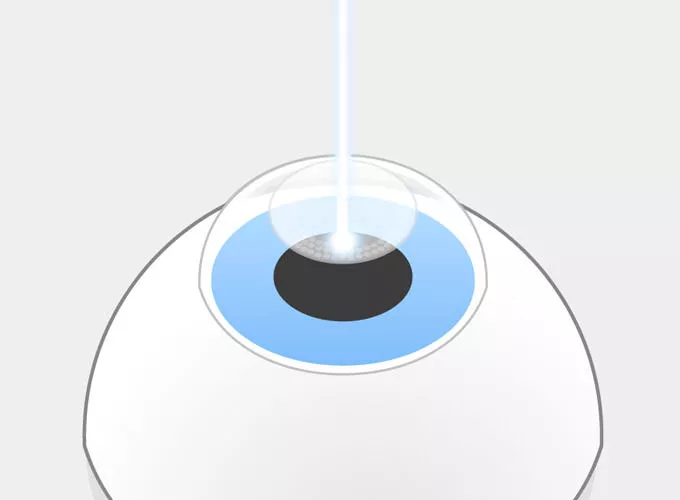
Femto-LASIK Schritt 1
Der Femtosekundenlaser präpariert den Flap und durchtrennt dabei auch Hornhautnerven. Dadurch entsteht ein trockenes Auge.
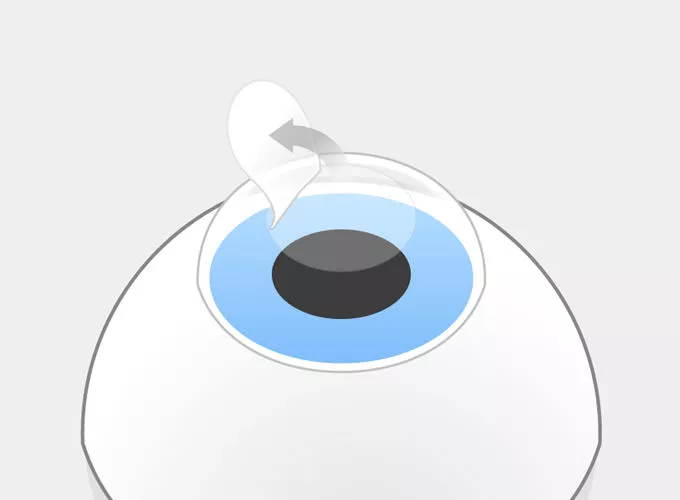
Femto-LASIK Schritt 2
Der Flap wird wie ein Deckel zur Seite aufgeklappt.
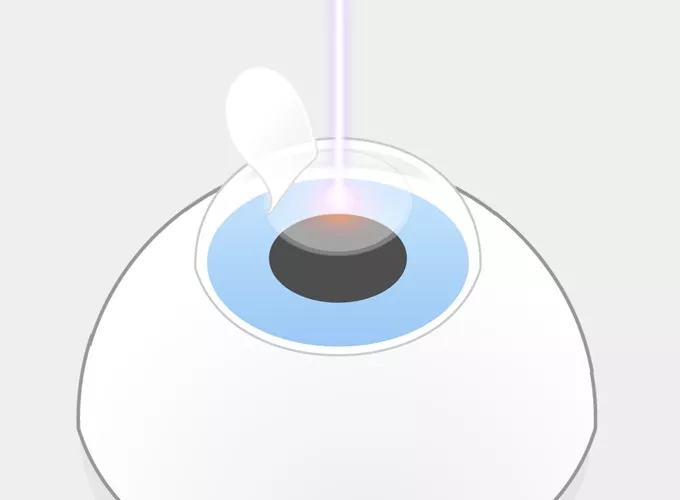
Femto-LASIK Schritt 3
Lichtpulse des Excimerlasers verdampfen einzelne Bereiche der freigelegten Hornhaut.
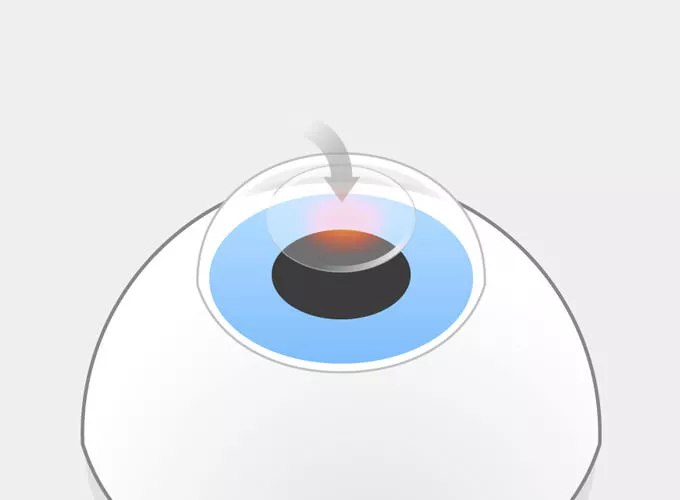
Femto-LASIK Schritt 4
Der Flap wird zurückgeklappt. Er vernarbt an den Rändern, wächst allerdings nicht mehr richtig fest.
Precision and speed—these are also the strengths of Femto-LASIK.
Dr. Detlev R.H. Breyer
Schedule
an appointment for a free quick check.

Patient Experiences
Here's How Our Patients Experienced Their Femto-LASIK
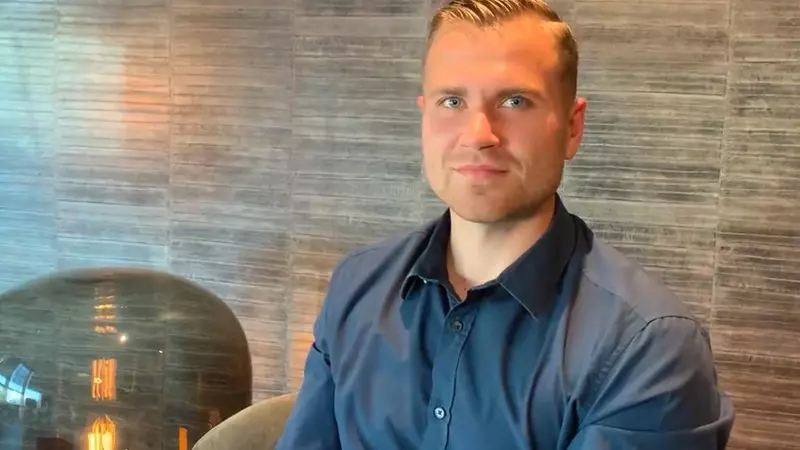
Commercial pilot Max B. talks about how his vision problem was detected during a routine eye exam for pilots. He then decided to undergo laser eye surgery for the sake of his career. Because of his farsightedness, Dr. Breyer recommended Femto-LASIK. Watch this video to learn how the treatment has changed his life.
My Femto-LASIK Surgery
Femto-LASIK for Severe Astigmatism
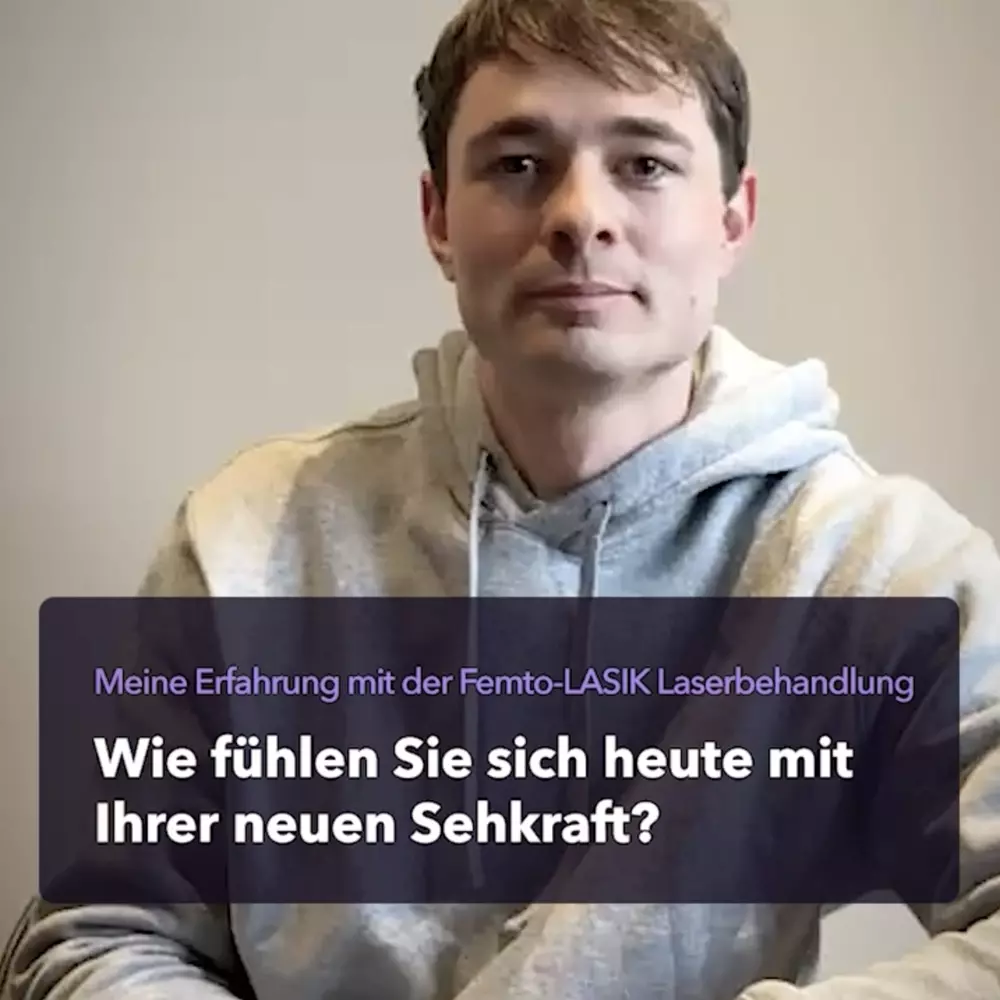
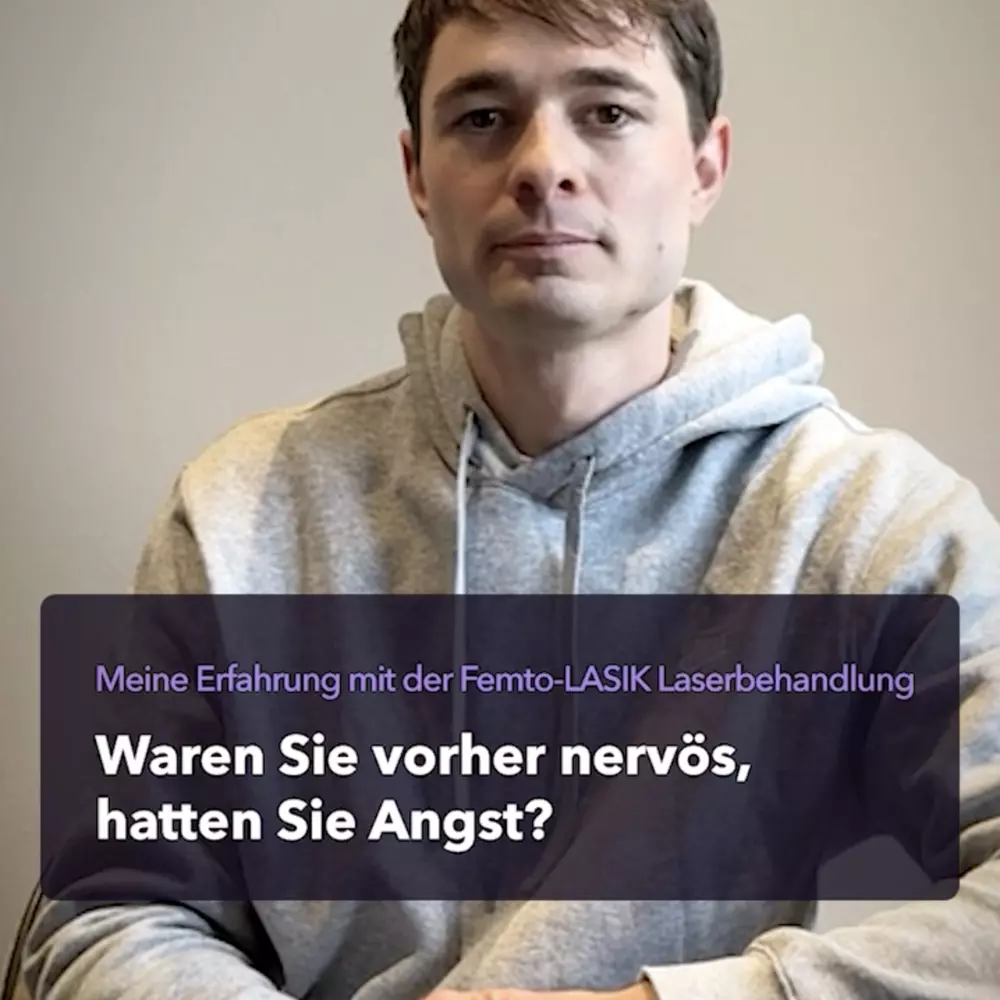
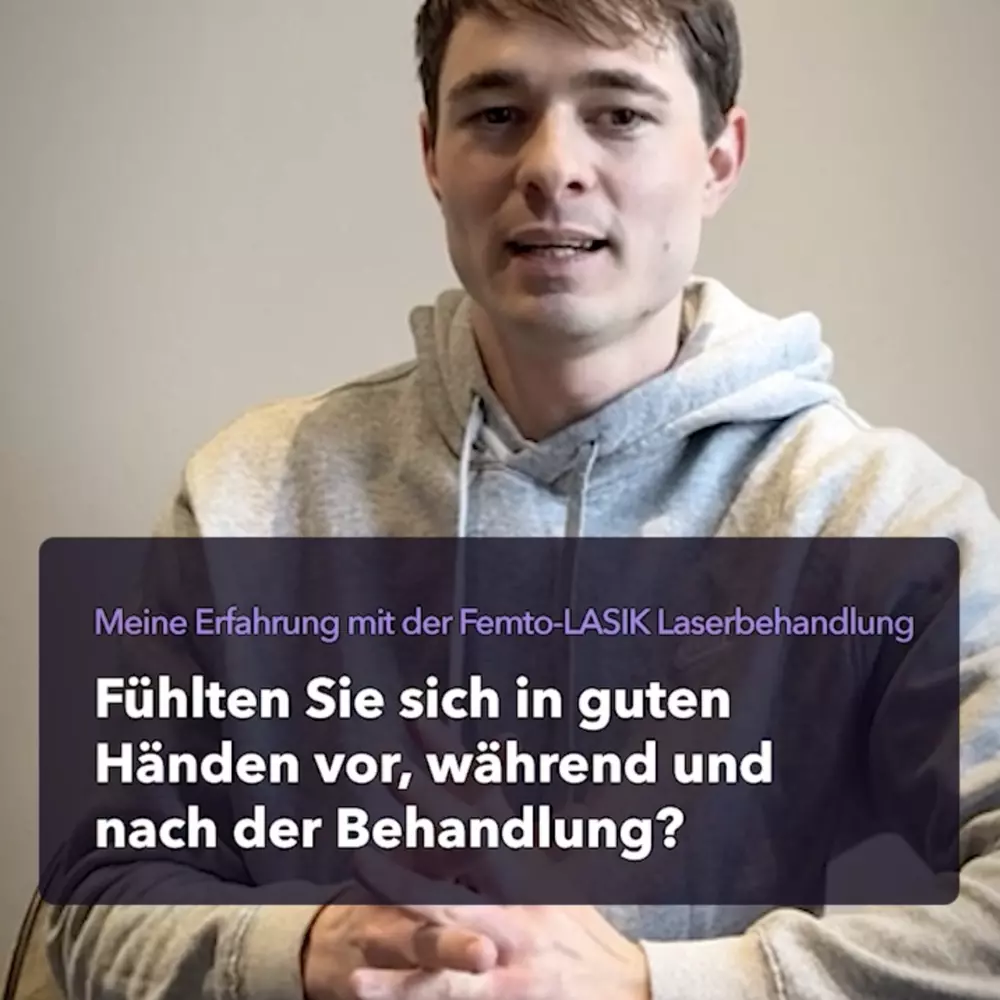
Kira M. was turned away by other doctors because of her test results. With Dr. Breyer, it was different—he specializes in correcting astigmatism... The video shows clips from the initial examination and follow-up visit. It was recorded by a friend of the patient.
The next day, I had tears in my eyes because I hadn't realized before just how much I'd missed. It's just a completely different feeling.
Kira M.
Schedule an appointment now for a
free initial consultation with a quick assessment.
Comparison
Benefits of SMILE Pro and Side Effects of Femto-LASIK
SMILE pro
Only a femtosecond laser is used
shaped contact lens with the VISUMAX 800: no flattening of the cornea, no increase in pressure
No pain during or after laser eye surgery
The outermost layer of the cornea remains virtually intact
No flap, just a 2–3 mm incision
Safer than (Femto-)LASIK
Lower risk of corneal weakening than with flap procedures (keratectasia)
No risk of injuries to children’s fingers (e.g., in accidents)
Hardly any dry eyes after treatment
Ideal for those with contact lens intolerance
Visual results comparable to (Femto-)LASIK
Very few precautions; showering is allowed on the same day
Makeup and exercise are permitted as early as the day after surgery
Femto-LASIK
Dry eyes for up to 6 months after the procedure
Not recommended for those with contact lens intolerance
Light and glare effects
Flap-related risks: displacement, detachment of the flap, flap folds, risk of injury to children’s fingers
Risk of corneal weakening (keratectasia)
Not suitable if you participate in contact sports
Important: Please do not apply or remove makeup for two weeks after surgery
Learn more about SMILE® pro
Gentle and painless treatment for nearsightedness, farsightedness, and astigmatism
for contact lens problems or dry eyes
Makeup and sports are possible the day after surgery

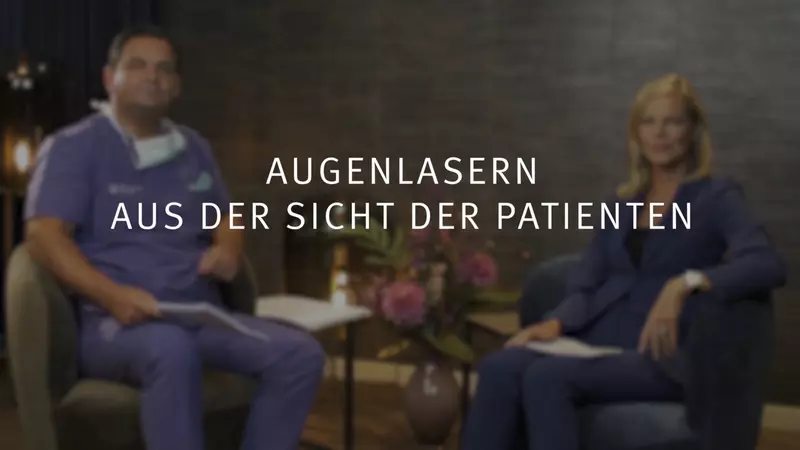
, Episode 6: Dr. Detlev R.H. Breyer, a Focus Top Physician, in an interview with Nina Ruge. – The well-known host and UNICEF ambassador interviews Dr. Breyer on the topic of laser eye surgery. He explains the various laser procedures, including their advantages and disadvantages, and dispels common misconceptions. A great video for getting an overview of current laser eye surgery methods.
Patient Reviews
Außerordentlich tolle, fachliche und menschliche Behandlung
Sehr geehrter Herr Dr. Breyer, Ihnen ganz besonders, sowie Ihrem Team von ganzem Herzen ein besonderes Dankeschön für Ihre außerordentlich tolle, fachliche und menschliche Behandlung. Ich habe mich bei Ihnen und Ihrem gesamten Team sehr gut aufgehoben gefühlt. Allen anderen Patienten kann ich Femto-LASIK bei Ihnen mit ruhigem und bestem Gewissen empfehlen. Vielen Dank!

Our Fair Prices*
Wavefront-Optimized Premium Femto-LASIK
Includes an initial consultation and examination, a preliminary examination, laser treatment by Dr. Breyer, and a follow-up visit.
Wavefront-Optimized SMILE® Pro Laser Eye Surgery for Hyperopia
Includes an initial consultation and examination, a preliminary examination, laser treatment to correct hyperopia by Dr. Breyer, and a follow-up visit.
All-Inclusive Femto-LASIK
Includes an initial consultation and examination, a preliminary examination, laser treatment by Dr. Artz, and a follow-up visit. For 1–3 dpt and astigmatism.
* The fees for our laser and lens treatments are based on the German Scale of Medical Fees (GOÄ). To help you plan better, we’ve compiled some examples of the estimated prices for a few service packages here. We’d be happy to discuss which treatment is right for you and the approximate costs you can expect after an initial examination.
By the way: The costs of laser eye treatments can be claimed as a tax deduction for extraordinary expenses under Section 33 of the Income Tax Act (EStG) without the need to submit a medical certificate from a public health officer.
Frequently Asked Questions
-
With Femto-LASIK, nearsightedness up to -10 dpt, farsightedness from +1 to +5 dpt, and astigmatism up to 5 dpt can be corrected. However, for safety reasons, we never perform laser surgery in borderline cases; instead, we would prefer to suggest alternative procedures, such as an ICL or IOL. After a thorough initial examination, we will then recommend one or more methods that are suitable for your eyes.
-
No, with our modern laser technology, Femto-LASIK is completely painless. Thanks to local anesthetic eye drops, you’ll feel only slight pressure during the procedure. This sensation is roughly comparable to what you feel when you press lightly on your knee with your index finger. Patients generally do not experience any pain after laser eye surgery either. However, there are differences between the procedures. Studies by Prof. Mehta show that all patients find the SMILE method more comfortable than Femto-LASIK.
-
To explain this term, we must first clarify what LASIK is. LASIK is an acronym that refers to a procedure in which vision correction is performed in a deeper layer of the cornea, the stroma. This is done using an excimer laser, which reshapes the cornea by vaporizing tissue to alter its refractive power. Before this can happen, however, the overlying tissue in this area must be incised in a circular pattern and folded aside like a book cover. This corneal flap is called a flap. It has an average diameter of 9 mm. The flap incision is approximately 20 mm long. In LASIK, it is cut using a microkeratome, and in Femto-LASIK, it is cut using an excimer laser—the latter method is significantly safer.
Because this flap incision also cuts through nerve tissue that controls the blood supply to the cornea, dry eyes or a foreign body sensation may occur temporarily or even for a longer period after LASIK. In most cases, these symptoms subside.
Flap-related side effects such as these do not occur with the SMILE or SMILE pro procedures, because this laser eye surgery is performed exclusively with a femtosecond laser—specifically, the VISUMAX 800 (Zeiss). This laser can cut precisely through the upper layers of the cornea into the interior of the cornea. There, a precisely calculated disc of corneal tissue is created, which the surgeon can remove through a minimal 2-mm incision to reshape the cornea in a way that corrects the vision defect. A flap is therefore no longer necessary. Incidentally, with the latest SMILE pro procedure, the laser procedure takes only about 10 seconds per eye.
Other Alternatives to Femto-LASIK


Book an appointment now
Schedule an appointment today for a free initial consultation with a quick assessment. You can do so online on our website, by phone, or via WhatsApp. We’d also be happy to call you back. We look forward to hearing from you.