
Lens Method
Refractive Lens Exchange (RLE) for Presbyopia When Laser Eye Surgery Is Not an Option
In a refractive lens exchange, also known as a clear lens exchange, the clear natural lens of the eye is replaced with a premium multifocal lens to help patients with presbyopia regain their independence from reading glasses or progressive lenses. Upon request, we can also combine different lenses according to the Düsseldorf Scheme (overlapping visual acuity) developed by Dr. Breyer.
However, this procedure should only be considered if laser treatment is not an option, because the risks associated with lens surgery are simply greater. Our specialist in the treatment of presbyopia, Dr. Detlev R.H. Breyer—a Focus Top Physician—has undergone laser eye surgery himself and would be happy to provide you with comprehensive advice on this topic.

Schedule
an appointment for a free initial consultation.
What does the surgery involve for a refractive lens exchange?
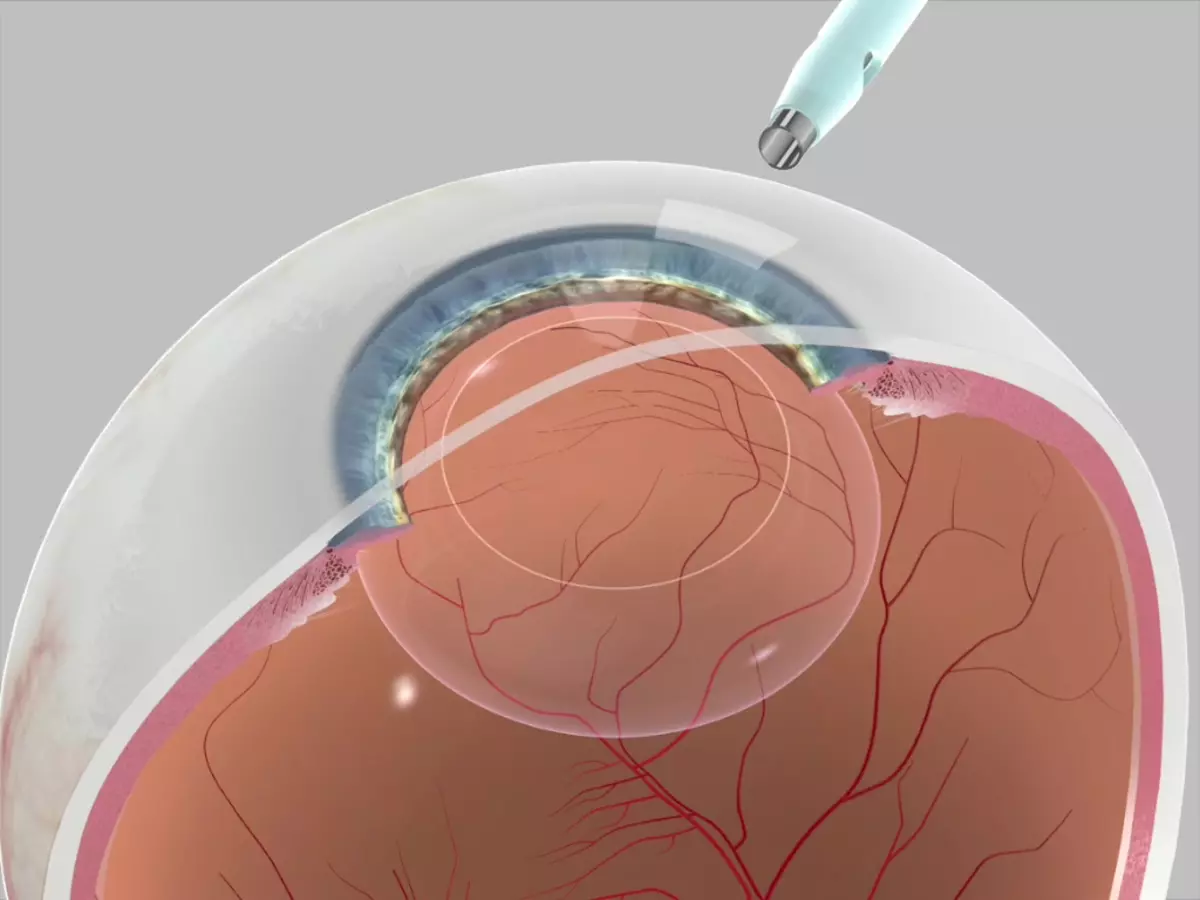
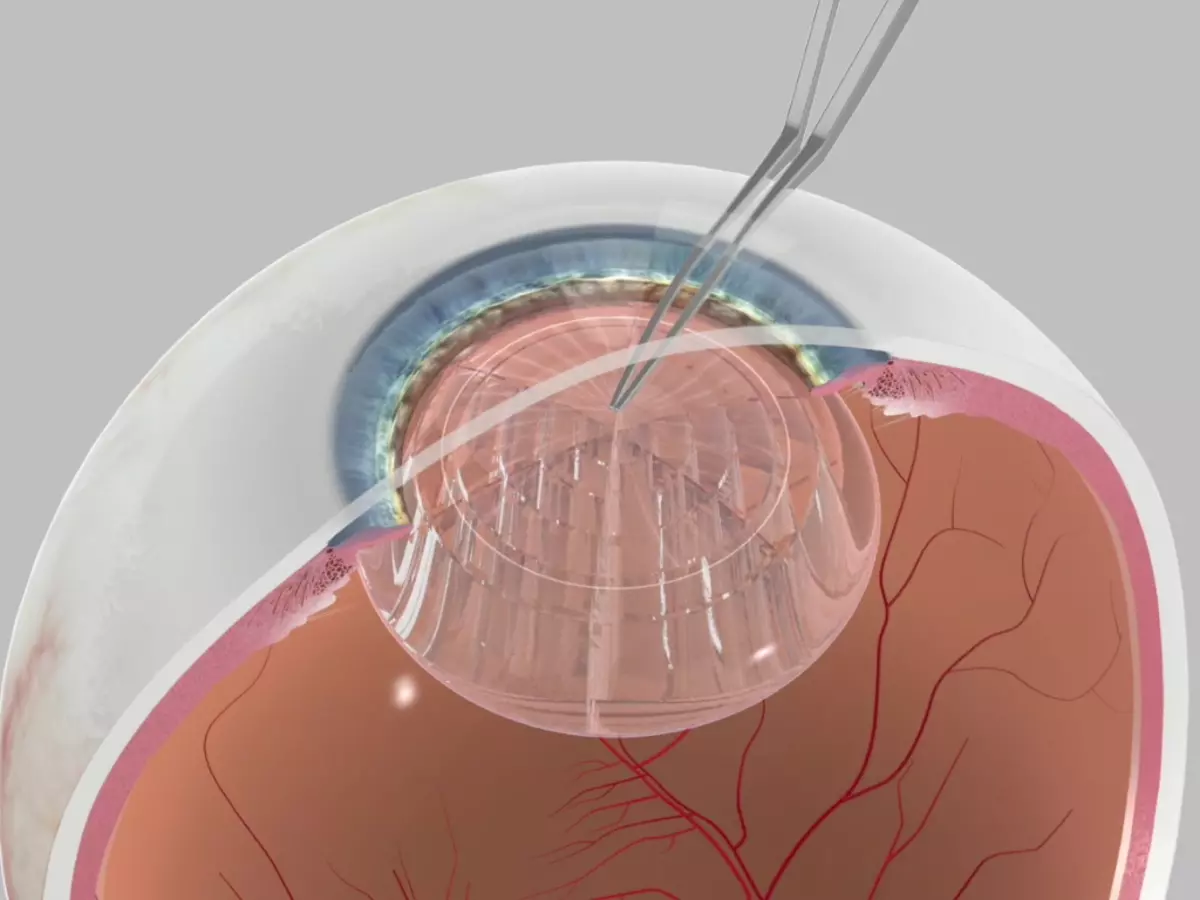
Refractive lens exchange to correct presbyopia is typically performed on an outpatient basis and is similar to early cataract surgery. It is considered “early” because, although the eye’s natural lens is inflexible in presbyopia, it is still clear. There is no lens opacity that would medically warrant lens surgery.
Rather, the goal is to eliminate the need for reading glasses or progressive lenses. For this reason, the procedure is referred to as refractive lens exchange. The risks and benefits of the surgery must be carefully weighed against one another.
During lens surgery, the interior of the natural lens is removed and a premium lens is implanted into the lens capsule, enabling clear vision at various distances. Dr. Breyer routinely uses minimally invasive techniques and, upon request, employs a femtosecond laser to perform the lens implantation with even greater precision. A thorough preliminary examination and measurement of the eye are therefore necessary before refractive lens exchange so that the lens can be precisely calculated.
What are the risks associated with refractive lens exchange?
Replacing the natural lens with an artificial lens is more invasive than laser eye surgery and therefore carries higher risks, such as infections or inflammatory reactions. In addition, younger patients and those with severe nearsightedness are at an increased risk of retinal detachment. This is because a severely nearsighted eye is longer than a normal-sighted (emmetropic) eye. As a result, the structures at the back of the eye are stretched and thinned, increasing the tension on the retina. The procedure further increases the risk of detachment. 2
Correcting presbyopia always involves a procedure on a healthy eye. Therefore, the procedure with the lowest risk should be chosen.
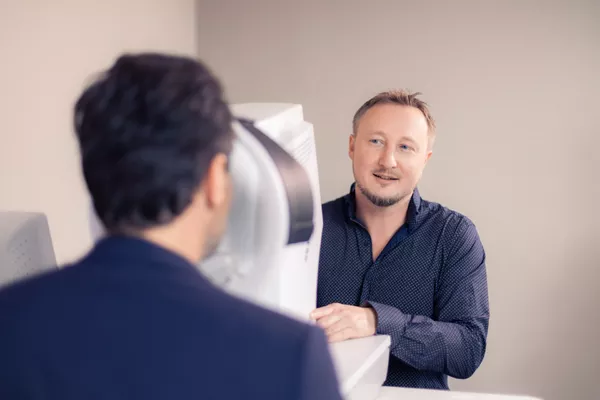
Focus Top Physician Dr. Detlev Breyer
Learn more about the preoperative evaluation and the surgery




I didn't feel any pain at all during the surgery. My quality of life has improved dramatically. I see colors much more vividly; I can read, write, drive, and work on the computer—all without glasses.
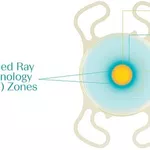
Patient following implantation of RayOne Galaxy multifocal lenses

Minimally invasive alternatives to refractive lens exchange
If your eye’s natural lens is still clear, we recommend always considering the less invasive alternatives first, which can also help you achieve independence from glasses. After all, this is a procedure on a healthy eye—and it should be as safe as possible. We therefore recommend that our presbyopic patients first consider laser or lens procedures that preserve the eye’s natural lens before deciding on refractive lens exchange. Since Dr. Breyer is skilled in all standard corrective procedures, you can rest assured that your safety is our top priority.
Laser Eye Surgery for Presbyopia
With Presbyond, PresbyMax, and Presby EDoF-DUS, we offer a variety of laser eye surgery procedures, including several options that improve near vision in cases of presbyopia. Dr. Breyer has also chosen this solution.
Implantable Contact Lenses (ICL)
If laser eye surgery is not an option for you, implantable contact lenses would also be a good choice. These are inserted into the posterior chamber of the eye in addition to the natural lens. This procedure is reversible, meaning the lens can be removed or replaced with another lens upon request. Implantable contact lenses are available both for higher degrees of refractive error and with multifocal optics for clear vision at multiple distances in cases of presbyopia. Dr. Breyer has been successfully performing this procedure for over 15 years.


Take the first step now
If you’d like to enjoy the best possible vision without reading glasses or progressive lenses, please feel free to schedule an appointment for a free initial consultation. You can do so by phone, email, or online through our website. We’d also be happy to call you back. To request a callback, please use our contact form.
Schedule an appointment for a
free initial consultation with a quick assessment.



Patient Experience
Glücklich nach 40 Jahren mit Brille
Vor einer Woche habe ich von Dr. Breyer eine Katarakt-OP an beiden Augen erhalten. Das Beste, was mir in meinem Leben bisher passiert ist. Von 8 und 10 Dioptrien (je Auge) auf 120% Sehleistung auf beiden Augen, ein Traum. Ich entdecke gerade die Welt neu und sehe endlich alles in der Originalgröße, wow. Tolles Gefühl und das alles jetzt ohne die lästige Brille. – Herr Dr. Breyer weiß genau, was er tut und kann aufgrund seiner Erfahrung den Verlauf sehr gut einwerten. Von der Vorbesprechung bis zur Nachuntersuchung klare Aussagen und Informationen sowie gute Aufklärung über alle Risiken und Nebenwirkungen. Ein sehr sympathischer, offener Arzt mit sehr konkreter und direkter Ansprache. Ich war sehr nervös vor der OP, aber Herr Dr. Breyer und sein Team sind sehr gefühlvoll auf mich eingegangen und haben mir die Angst genommen.
Ein großes Kompliment an das Praxisteam, welches immer und jederzeit ansprechbar, gut koordiniert und individuell auf jeden anwesenden Patienten eingegangen ist. Ich würde auf jede meiner Bewertungen noch ein Sternchen oben drauf packen, wenn es möglich wäre. Dr. Breyer und sein Team werde ich jederzeit und bedenkenlos weiterempfehlen. Hier können sich viele Spezialisten und Augenärzte eine dicke Scheibe abschneiden!!!