
Refractive errors and eye conditions
What is dry eye (keratoconjunctivitis sicca)?
Many people suffer from burning, red, or watery eyes, which can affect their quality of life. This is often caused by a condition affecting the surface of the eye characterized by a lack of lubrication (dry eye). It is therefore called “dry eye” or, medically, keratoconjunctivitis sicca. The causes can vary widely. Symptoms of dry eye can also develop or worsen after laser or lens surgery.

That is why, before laser eye surgery or lens surgery, we examine your tear film and, if necessary, provide preventive treatment for dry eye prior to the procedure. This allows us to significantly alleviate symptoms after surgery and improve your quality of vision.
Schedule an appointment for an examination
Symptoms
How can I tell if I have dry eyes?
A wide variety of factors can disrupt the balance of the tear film (homeostasis) and lead to dry eye, with the symptoms and vision problems listed here.
If you notice any of these symptoms, please describe them to us before undergoing laser or lens treatment so that we can determine the cause and provide treatment prior to the procedure:
a sensation of a foreign body
Redness or watery eyes
Itching, burning, or sensitivity to light
Feeling of pressure
Swollen eyelids
Tired eyes
Mucus discharge
Intolerance to contact lenses and/or cosmetics
Problems when working at a computer
an uncomfortable sensation when exposed to drafts, smoky air, or air-conditioned rooms, and on airplanes.
Tear film
What is the function of the tear film?
An intact tear film protects and nourishes the cornea. It is formed through the perfect interaction of the lacrimal glands, the surface of the eye, the eyelids, and the tear drainage system.
The Three Layers of the Tear Film
The outer lipid layer keeps the tear film stable and prevents it from evaporating too quickly.
The middle, aqueous layer, at 3 μm, is the thickest layer. In addition to water, it contains nutrients, oxygen, and antimicrobial substances that protect the eye from infections.
The tear film adheres to the cornea via the inner mucin layer (3). It is 1 μm thick.
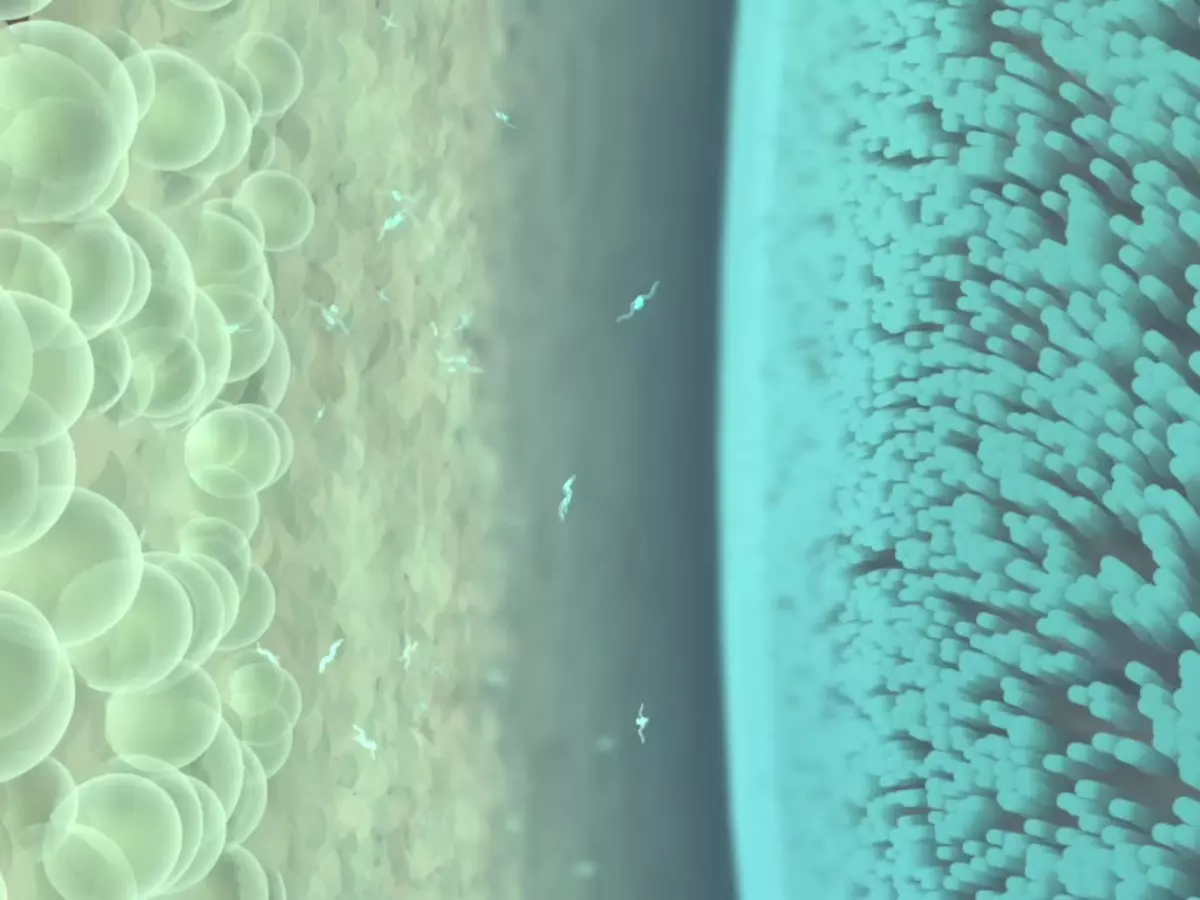
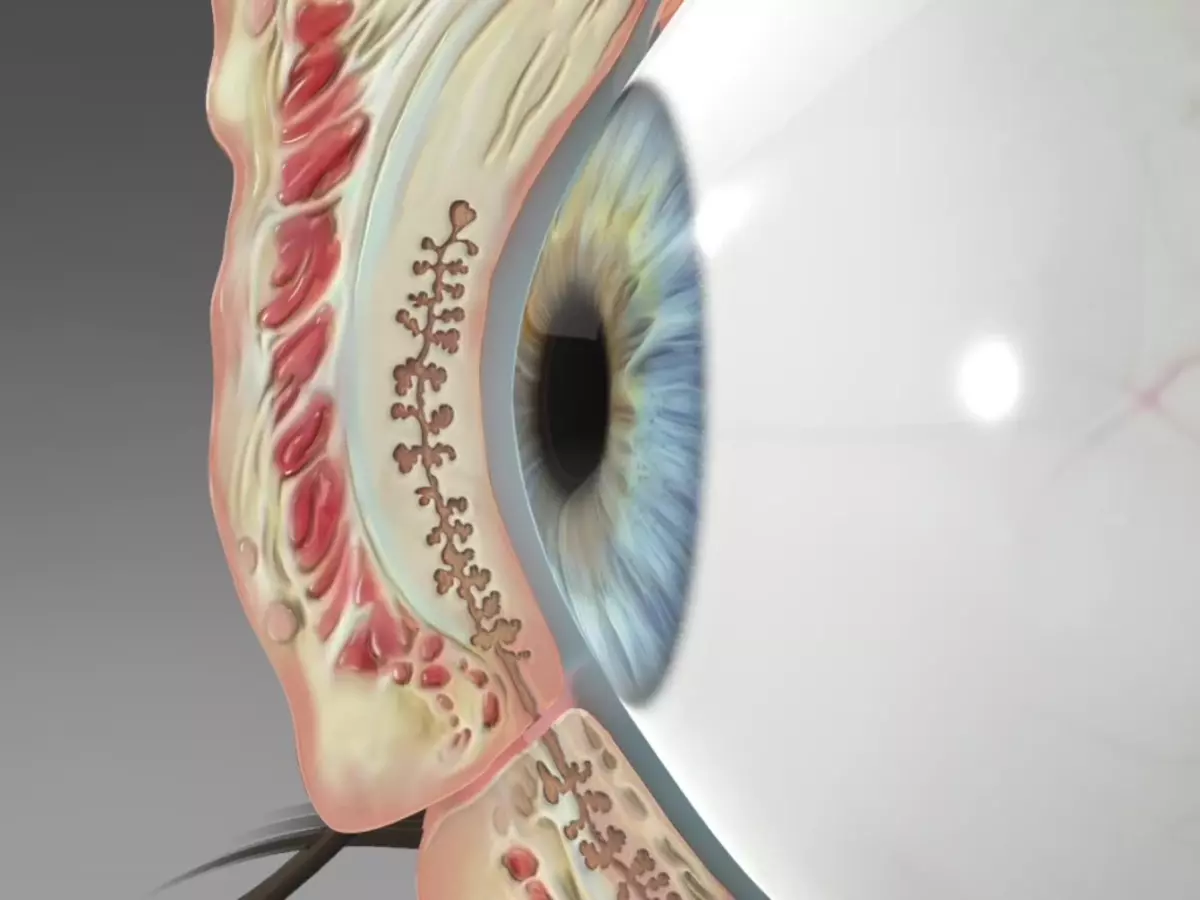
The lipids—that is, the fatty components of the tear film—are secreted primarily by the glands at the back of the eyelid margins, known as the Meibomian glands. With every blink, a wafer-thin layer of the tear film spreads across the surface of the eye, smoothing it and acting as a kind of lens that improves vision. The tear film also keeps the surfaces of the eye smooth and supple by moistening the inner surfaces of the eyelids, the conjunctiva, and the cornea.
Causes
Possible causes of dry eye
Tear production is controlled by the autonomic nervous system and fluctuates throughout the day. It gradually decreases with age. Women are affected far more frequently than men—86 percent versus men. Smokers also suffer from dry eye more often. Certain systemic diseases can also affect the eye’s lubrication, such as
diabetes
thyroid disorders
chronic rheumatism
inflammatory vascular diseases
immune system and skin disorders
In addition, injuries to the eyelids or medications taken over an extended period of time can affect tear film production. Furthermore, external factors—such as air pollution, ozone exposure, or air-conditioned rooms—can affect tear production. If a disorder is already present, it can be further exacerbated by activities such as working at a computer screen, as this is often associated with a lower blink rate.
There are also a number of conditions that present with symptoms similar to those of dry eye. Differential diagnosis is necessary to ensure proper treatment.
Diagnosis of Dry Eye
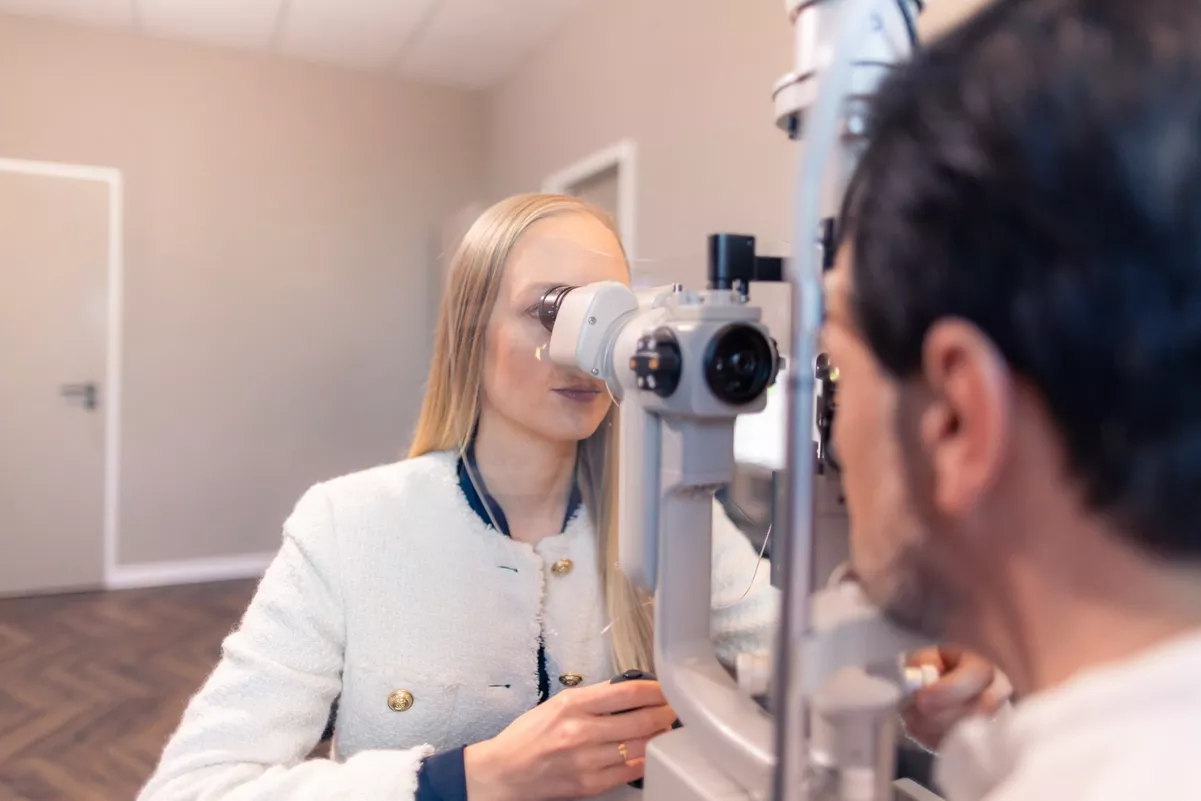
The first step is to perform a slit-lamp examination. This allows for the following tests:
Fluorescein tear film break-up time (TBUT)
Corneal staining with fluorescein
Vital staining with Lissam green
Assessment of Meibomian gland expressibility
Eyelid margin examination
In addition, there are specialized procedures for examining the tear film. The Schirmer I test can be used to determine the severity of meibomian gland dysfunction.
Treatment
Why should dry eye be treated?
A disrupted tear film breaks down more quickly and no longer covers the entire surface of the eye. This not only impairs visual quality but also leads to inflammation of the eye’s surface, because the tear film has, among other things, an antibacterial effect. As a result, the eye becomes less sensitive to touch and produces less tear secretion—a vicious cycle.
How can dry eye be treated?
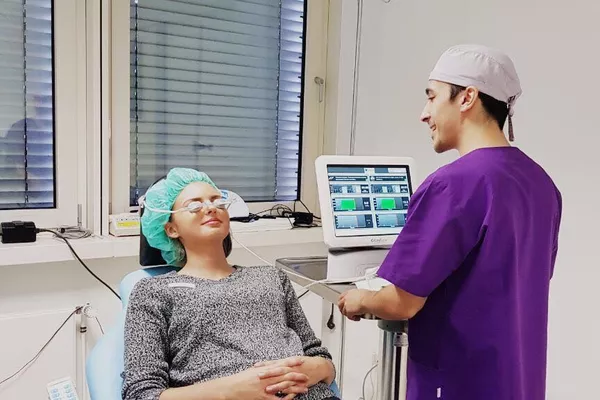
Depending on the specific type of condition, various treatment options may be considered. For meibomian gland dysfunction, we typically offer either LipiFlow treatment or IP light therapy with OptiLight OPT (IPL) approximately three weeks before surgery.
more about dry eye Visit the Breyer, Kaymak & Klabe website