
Laser Eye Surgery
Laser Eye Surgery for Farsightedness (Hyperopia): Which Procedure Is Best for You?
Farsightedness (hyperopia) can now be corrected with modern laser eye surgery—even with SMILE pro: gentle, painless, and safe. For more severe cases, we offer contact lens implantation as an alternative.

The most innovative procedure is called SMILE pro, the new ReLEx SMILE. Dr. Detlev Breyer has been a pioneer of this method since 2011 and has already successfully performed over 10,000 procedures. SMILE has also been approved for the correction of farsightedness since 2024.
As alternatives, we recommend Femto-LASIK and TransPRK with SmartSurf. We rarely recommend traditional procedures such as PRK, LASEK, Epi-LASIK, or LASIK, but you can find information on these here as well. Find out which procedure is best suited for whom.
Good to know: If you’re over 45, you’re likely already experiencing presbyopia. In that case, we also offer gentle laser procedures for presbyopia.
Schedule an appointment for a free initial consultation.
Frequently Asked Questions About Farsightedness (Hyperopia)
-
People with farsightedness usually see clearly at a distance, but objects up close or small print appear blurry. That is why glasses or contact lenses are necessary for seeing up close, such as when using a laptop or smartphone.

-
In young people with farsightedness, the eyeball is usually too short, causing parallel rays of light to converge behind the retina. This results in a blurry image.
Since the eyeball’s growth in length is not complete until age 15 and can even continue until around the early or mid-20s, it is entirely possible that farsightedness will “grow out” over time. It is known that close-up activities, such as reading or working at a computer screen, can stimulate the growth of the eyeball.
-
Farsightedness in young people is a defect in the eye’s optical system. Either the eye is too short, the lens has too little refractive power, or the cornea is too flat. As a result, the focal point of parallel light rays entering the eye lies behind the retina. In contrast, age-related farsightedness (presbyopia) does not become noticeable until around the mid-40s, because the eye’s lens becomes inflexible and the eye can no longer “focus” (accommodate) on nearby objects. Presbyopia affects everyone sooner or later.
-
There are laser eye treatments that correct farsightedness, allowing you to live without glasses or contact lenses. During the procedure, the laser is used to alter the refractive power of the cornea in such a way that the vision problem is corrected. If you also have astigmatism, it can be treated at the same time. As an alternative—for example, if laser eye surgery is not an option—implantable contact lenses are available.
-
You should be at least 18 years old and have had stable prescription numbers for at least one year—preferably two years. The sooner you get treatment, the longer you can enjoy your new, sharp vision. When presbyopia sets in around age 45, seeing up close becomes even more difficult, so you’ll also need reading glasses or progressive lenses. However, it’s still more comfortable if your farsightedness has been corrected beforehand.
-
If your prescription is too strong to be corrected with laser surgery, or if laser eye surgery is not an option for other reasons, we’d be happy to evaluate whether implantable contact lenses would be a good option for you. With this method, we can correct even more severe refractive errors, allowing you not only to be free from glasses or contact lenses but also to enjoy excellent visual quality. Dr. Detlev R.H. Breyer is one of the pioneers of this treatment and performs ICL or EVO Vision ICL procedures using a minimal incision.
Laser Surgery for Farsightedness: How Does It Actually Work?
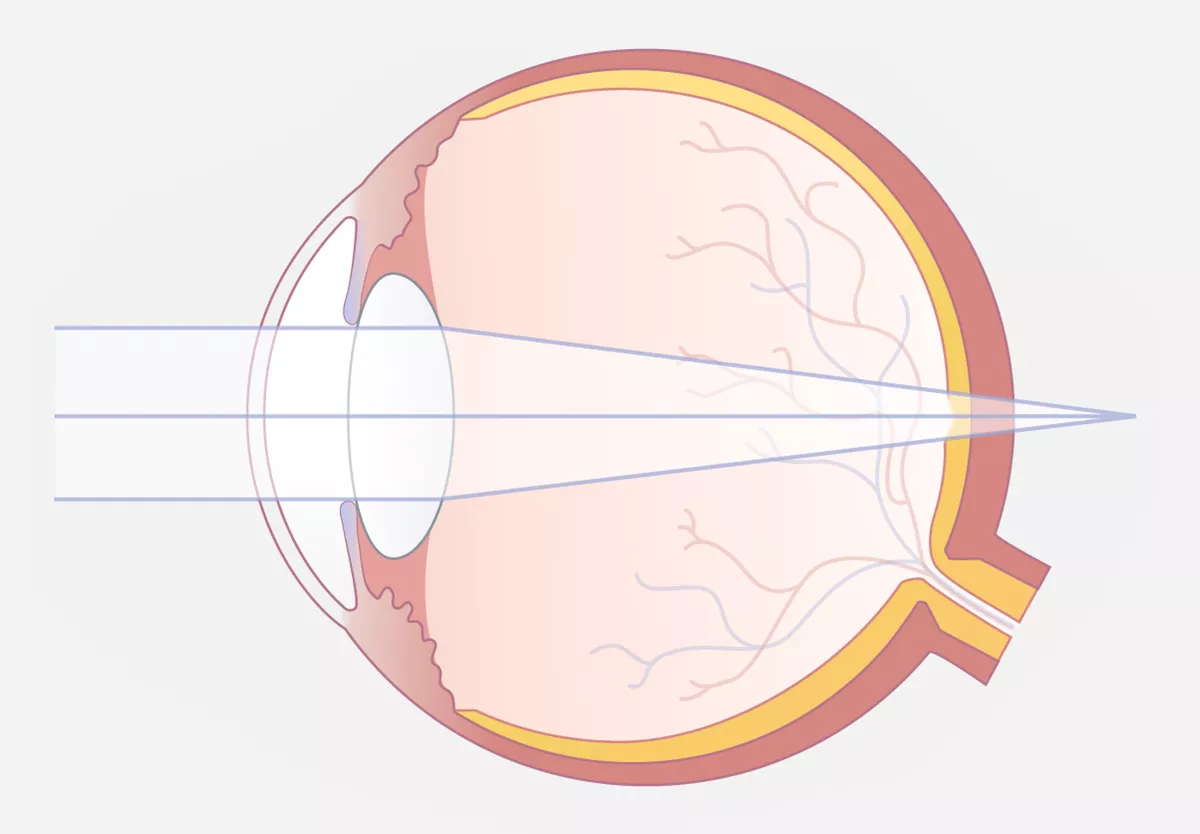
In a farsighted eye, the eyeball is too short, or the refractive power of the cornea and lens is too low. Both of these factors cause parallel rays of light to converge behind the retina. This results in a blurry image on the retina. The more severe the hyperopia, the blurrier the image.
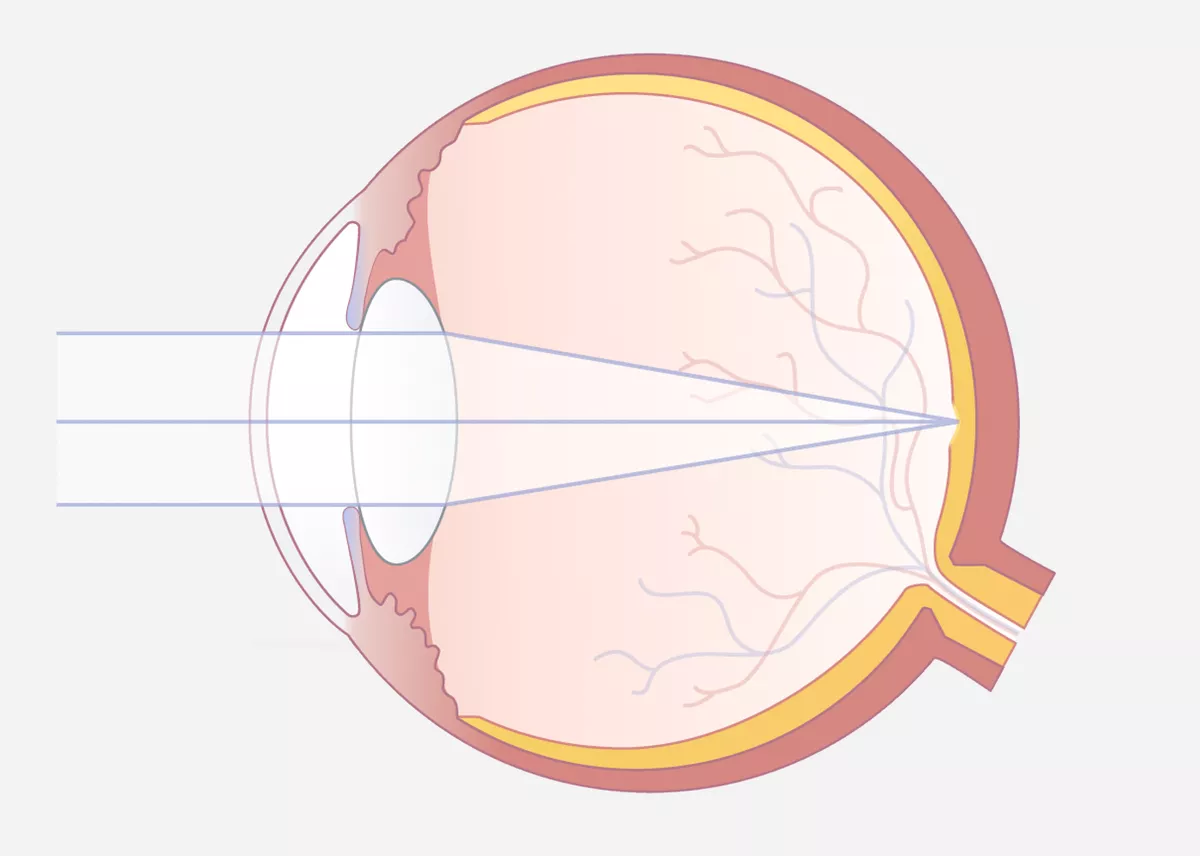
To correct farsightedness, the cornea is reshaped using laser eye surgery by removing corneal tissue from the outer area of the optical zone. This increases the eye’s refractive power by exactly the amount needed to correct the vision problem. Incoming light rays are now focused precisely on the retina. However, there are limits to what the laser can achieve. Higher degrees of farsightedness, however, can be corrected effectively and reversibly with implantable contact lenses.
Laser Eye Surgery for Farsightedness—An Overview of All Methods
Why not check out this episode of our interview series with Dr. Breyer and Nina Ruge to get a quick overview of the various laser eye surgery methods and their benefits? In it, Nina Ruge asks many important questions that our patients often have as well. Our lead surgeon, Dr. Detlev Breyer, answers them just as he does when speaking with patients. You can find the entire series here on our website.
Or browse through the descriptions and videos of the procedures that we’ve compiled for you below the video. Further down, you’ll also find a comparison of the pros and cons at a glance.

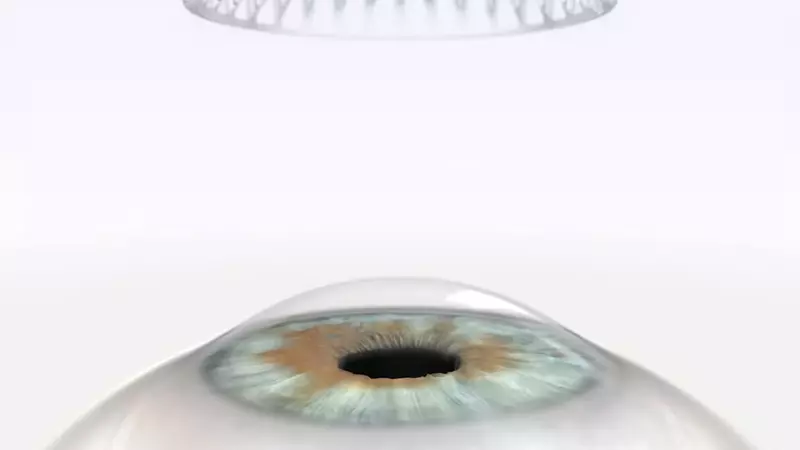
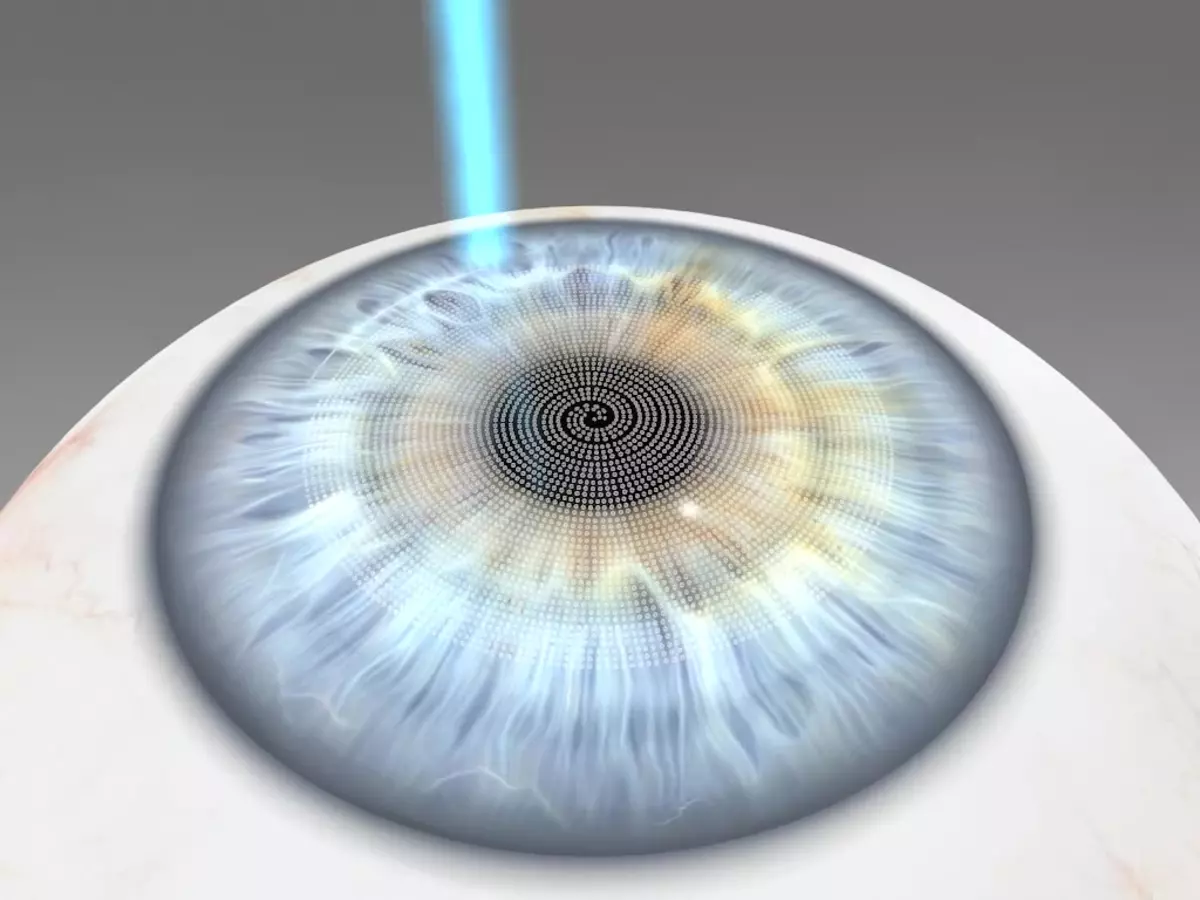
Femto-LASIK is an advanced form of LASIK. In this procedure, the corneal flap is created using a femtosecond laser. This is safer because it eliminates the risk of an incorrect cut. For flap preparation, we use the latest femtosecond laser from Zeiss, the VISUMAX 800. Its exceptionally high precision plays a crucial role in ensuring your future visual quality.
In the second step, farsightedness is corrected using the Schwind Amaris 1050RS excimer laser. The flap is then repositioned and adheres to its original position without the need for stitches.
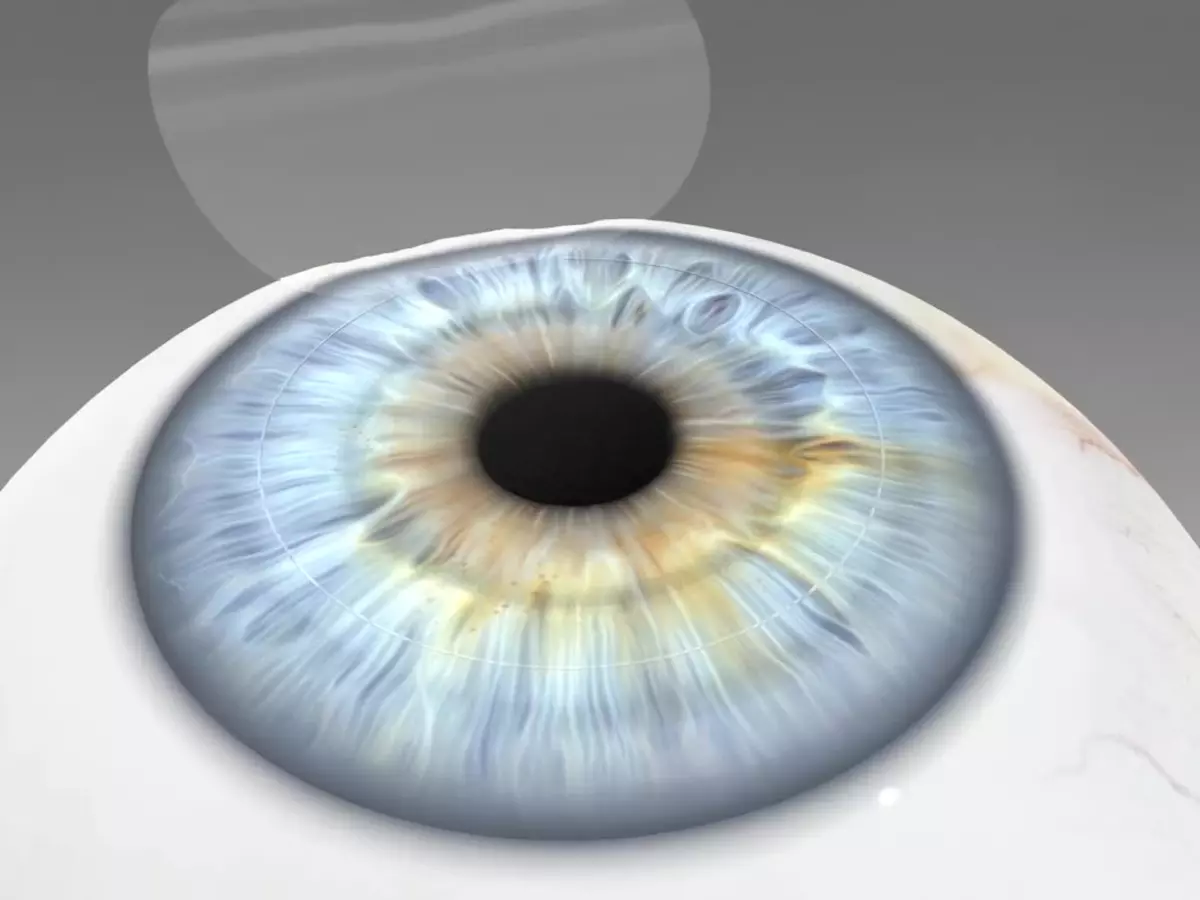
Correction with the excimer laser

In traditional procedures such as PRK, LASEK, and Epi-LASIK, refractive errors are corrected using an excimer laser beneath the outermost layer of the cornea (the epithelium). These procedures differ in the way the corneal epithelium is removed. All three methods do not require a corneal flap and therefore do not carry the risks associated with a flap. However, they are relatively painful during the healing phase and carry a higher risk of infection.
Scope of application for all PRK procedures:
Nearsightedness up to -6 dpt / borderline cases up to -8 dpt
Farsightedness up to +3 dpt
Astigmatism up to 5 dpt / borderline range up to 6
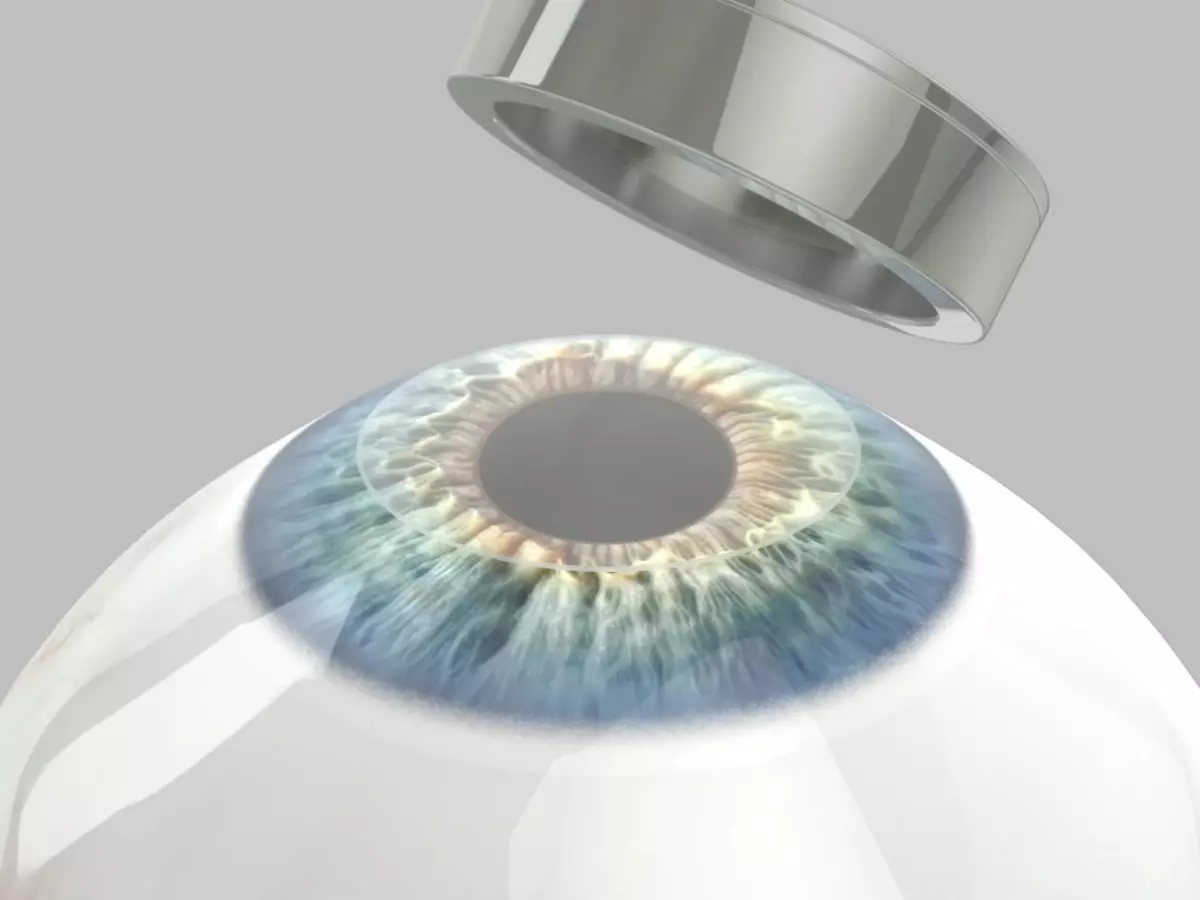
More about PRK, LASEK, and Epi-LASIKPRK, LASEK, and EPI-LASIK are options for people with thinner corneas. They are also suitable for anyone who plays contact sports or frequently plays with small children. They are not recommended for people who are very sensitive to pain. However, we would always prefer TransPRK with SmartSurf.
Dr. Detlev Breyer
This widely used method is less painful than traditional PRK procedures because the correction is performed with an excimer laser in the stroma. The disadvantage, however, is that the outermost layer of the cornea—not just the epithelium—is cut open like a round lid with a tiny blade called a microkeratome, leaving only a small strip intact, and then folded to the side. This is called a flap. After the laser treatment, it is folded back into place and adheres without the need for a suture. The disadvantage is that the flap introduces additional risks and weakens the stability of the cornea. For people who frequently play or roughhouse with children, there is a risk of what’s known as a “child’s finger injury,” in which the flap can slip or tear off.
Scope of Application for LASIK:
Nearsightedness up to -8.00 dpt / Borderline cases up to -10 dpt
Farsightedness up to +3 dpt /
borderline range up to +4 dptAstigmatism up to 5 dpt / borderline range up to 6
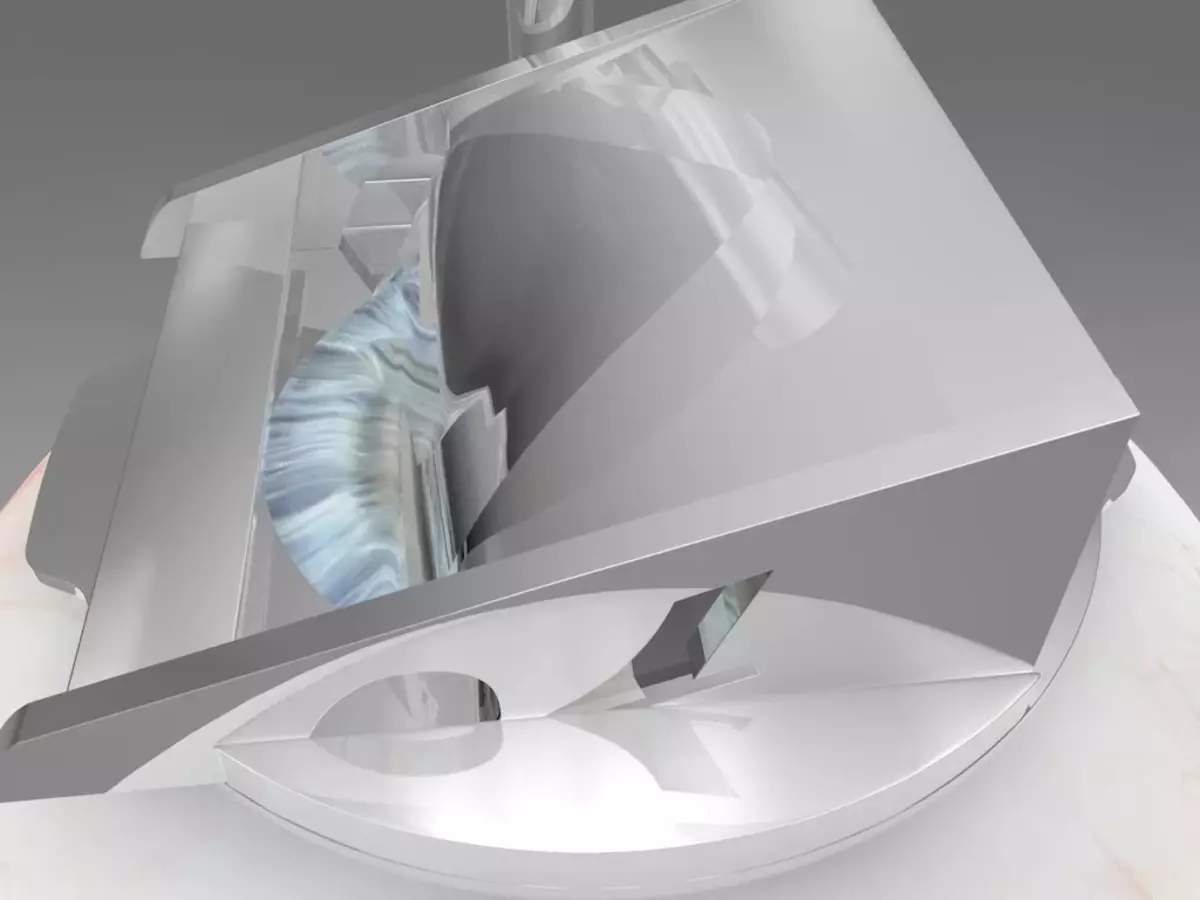
Use of the Microkeratome in LASIK
More About LASIKWe recommend Femto-LASIK over LASIK because it is significantly safer. However, most of our patients opt for the SMILE procedure.
Dr. Detlev Breyer
Driving at night has always been a struggle for me. But I never really admitted it to myself, since that was just my “normal” vision. Now, after the surgery, I’m more than happy. It’s nothing like it used to be. I can see easily and clearly in the dark—it’s a great feeling!
Karla Borger, Olympian
Schedule an appointment
Comparison of Laser Eye Surgery Procedures for Correcting Farsightedness
This table compares the various laser eye surgery procedures used to correct nearsightedness based on the most important criteria. Decide for yourself which procedure suits you best.
| Laser procedure | Pain | Risk | Visual quality | Sports |
|---|---|---|---|---|
| SMILE | the next day | |||
| Femto-LASIK | after 2–4 weeks | |||
| TransPRK | after 2–4 weeks | |||
| LASIK | after 2–4 weeks | |||
| PRK | after 2–4 weeks |
-
SMILE pro: Correction achieved by creating a corneal lenticule in the stroma using a femtosecond laser. No pain, no flap, just a small incision, significantly lower risk, and ideally suited for those with contact lens intolerance. Sports and makeup are permitted as early as the day after treatment.
Femto-LASIK: Correction using an excimer laser in the stroma after a flap is created with a femtosecond laser; slightly fewer intraoperative risks than LASIK, but a higher postoperative risk due to the flap; not suitable for dry eyes. Do not rub your eyes or wear makeup for 3 weeks after treatment; resume sports after 4 weeks.
Trans-PRK SmartSurf: Non-contact ablation of the epithelium and correction of refractive error on the surface using a Schwind excimer laser; 1 to 2 days of postoperative pain; visual recovery takes 2 to 3 weeks; higher risk of infection.
LASIK: Correction using an excimer laser in the stroma following a painful flap incision with a microkeratome; higher intra- and postoperative risks due to the flap incision made with a microkeratome; not suitable for dry eyes. Do not rub your eyes or wear makeup for 3 weeks after treatment; resume sports after 4 weeks.
PRK, LASEK, Epi-LASIK: Removal of the epithelium, correction of the refractive error on the surface using an excimer laser, 3 to 5 days of postoperative pain, vision recovery in 4 to 6 weeks, higher risk of infection. Resume sports after 4 weeks.
Laser Eye Surgery for Farsightedness: Our Top Picks



Schedule an appointment
Are you farsighted and want to be free from glasses or contact lenses? Then why not schedule a free, no-obligation consultation with us? We’d be happy to offer you a free quick check, after which you’ll know if you’re a good candidate. Give us a call, send us an email, or book your appointment online. We’d also be happy to call you back.