
Laser Eye Surgery
Laser Eye Surgery—A Comparison of All Methods
More and more people are undergoing laser eye surgery to become independent of glasses or contact lenses. But which laser eye surgery procedure is right for you personally: SMILE pro—the new ReLEx SMILE—Femto-LASIK, TransPRK, LASIK, or traditional procedures like PRK? Or would you like to have your reading glasses corrected with laser surgery, for example, using the PresbyEDoF DUS procedure, as Dr. Breyer does? What should you consider before deciding on a method, an eye center, and a surgeon?

Here, we’ll introduce you to all the laser procedures available for correcting nearsightedness, farsightedness, astigmatism, and presbyopia. We’ll examine each one in detail based on various criteria so you can compare them for yourself:
We explain the procedure for each method, its applications, advantages and disadvantages, safety, the predictability of visual outcomes, and side effects such as pain and risks. Other aspects include the requirements for the surgeon, the laser technology, and the costs.

Ann-Kathrin Götze, the wife of our World Cup-winning goal scorer, underwent laser eye surgery using the SMILE procedure performed by Dr. Breyer. In this video, she talks about her experience. Feel free to check it out. The video is in English.
Laser eye surgery and LASIK are often used interchangeably. In fact, LASIK is just one of three methods that have evolved in the field of laser eye surgery. Each innovation has been aimed at reducing the risks and side effects of a particular laser eye surgery method. Due to its greater safety and pain-free nature, we recommend that our patients have their eyes lasered using the most modern SMILE pro procedure—the new ReLEx SMILE—whenever possible. If that is not possible, modern alternatives include Femto-LASIK or TransPRK with SmartSurf technology. We’ll help you choose the safest and most effective procedure for your laser eye surgery. When selecting your surgeon, be sure to consider whether they are proficient in all methods. Only then can they choose the best laser method for your eyes.

Which vision problems can be corrected with laser surgery?
People who suffer from so-called refractive errors of the eye can have them corrected through laser eye surgery. These refractive errors are caused by the eye’s optical system not being optimally aligned. This results in blurred vision because the light rays entering the eye do not converge precisely on the retina: In nearsightedness (myopia), the focal point is in front of the retina; in farsightedness (hyperopia), it is behind the retina; and in astigmatism, the cause is an irregularly curved cornea.
Presbyopia is somewhat of an exception to this list because it is caused by the lens’s declining function. However, this condition can also be corrected with laser eye surgery. You can learn more about the individual vision disorders in the following chapters:




The Next Step
Laser Eye Surgery: Are You a Good Candidate? Take the Online Test!

Milestones in Laser Eye Surgery
SMILE pro for Farsightedness (Hyperopia)
SMILE pro has been approved in Europe for the correction of farsightedness since September 2024. We are among the top 10 eye centers worldwide.
Dr. Breyer offers SMILE Pro
. As one of the five pioneers, he performs the new SMILE procedure using the VISUMAX 800.
Presby-EDOF-DUS Laser Eye Surgery for Presbyopia
: Dr. Breyer has developed the so-called Presby-EDOF-DUS laser eye surgery and has used this procedure to eliminate his own need for reading glasses.
3 Million SMILEs
: More than 3 million ReLEx SMILE procedures have been successfully performed worldwide.
Dr. Breyer is one of the pioneers
of ReLEx SMILE. As one of the first 10 eye surgeons worldwide, Dr. Breyer is the first to perform ReLEx SMILE laser eye surgery.
Presbyopia can be treated with laser surgery!
Dr. Breyer uses the new Presbyond laser eye surgery procedure, which was developed by Prof. Dan Reinstein to correct presbyopia.
First ReLEx SMILE Procedure
: Prof. Sekundo and Blum, in collaboration with Zeiss, perform the first flapless and painless laser eye surgery.
First Femto-LASIK
: The femtosecond laser makes blade-free LASIK possible for the first time.
First LASIK Procedure
: Prof. Pallikaris performs the first LASIK laser eye surgery.
First PRK Surgery
In 1987, Prof. Seiler performed the first laser eye surgery using PRK.
At Premium Eyes, your eyes will undergo laser treatment in a hygiene-certified operating room designed for intraocular procedures.
Focus Top Physician Dr. Detlev Breyer
Schedule
an appointment for a free initial consultation.
SMILE pro
New: SMILE pro, pain-free laser eye surgery without a flap—even for those who are intolerant to contact lenses
The most advanced form of pain-free laser eye surgery is called SMILE pro, the new ReLEx SMILE—even faster, more precise, and safer.
ReLEx SMILE was the first pain-free procedure that does not require a corneal flap. SMILE stands for “Small Incision Lenticule Extraction.” It was developed in collaboration with Carl Zeiss Meditec and performed for the first time in 2007. Unlike earlier laser eye surgery procedures, SMILE uses exclusively a femtosecond laser—the VISUMAX from Zeiss. Since 2022, we have been using the new VISUMAX 800, which is even gentler, more precise, safer, and significantly faster.
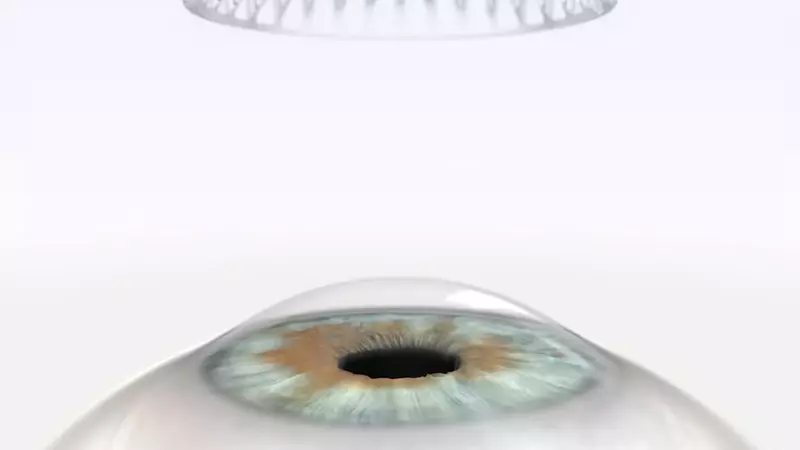
What makes SMILE unique is that the refractive error is corrected inside the cornea by using the femtosecond laser to create a corneal lenticule. In the next step, the surgeon carefully removes this lenticule through a small 2-mm opening under the surgical microscope. If you decide to have laser eye surgery with SMILE, you should choose an experienced surgeon, as the surgeon’s experience plays a significantly greater role in this laser eye treatment than in other laser methods. In return, it is safer, does not cause dry eyes, and is therefore ideally suited for those with contact lens intolerance.
The most important advantages are both intraoperative and long-term safety and the absence of pain. The outermost layer of the cornea remains intact during the procedure, and the eye remains stable. Only a small incision is needed to remove the lenticule, and significantly fewer corneal nerves are severed than in flap-based procedures such as LASIK or Femto-LASIK. Flap-related risks and side effects no longer occur.
Our areas of application:
Myopia (sphere) -1.00 to -10.00 dpt
Astigmatism up to 5.00 dpt
Spherical equivalent: -0.75 to -10.00 dpt
NEW: Farsightedness (hyperopia) +1.0 to 5.0 dpt
Advantages and Disadvantages of SMILE
Advantages
We use only a femtosecond laser; since January 22, we have been using the VISUMAX 800 (Zeiss)
The laser procedure takes only about 10 seconds per eye
Its anatomically shaped contact lens does not flatten the cornea, and pressure on the eye is not increased
No pain during or after laser eye surgery
The outermost layer of the cornea remains virtually intact
No flap—just a 2–4 mm incision
Safer than (Femto-)LASIK
Lower risk of corneal weakening than with flap procedures (keratectasia)
No risk of finger injuries (e.g., in accidents)
Hardly any dry eyes after treatment
Ideal for those with contact lens intolerance
Visual results comparable to (Femto-)LASIK
Very few precautions; sports and showering are allowed on the same day
You may apply and remove makeup as early as the day after surgery
Disadvantages
The surgeon's experience and skill play a crucial role
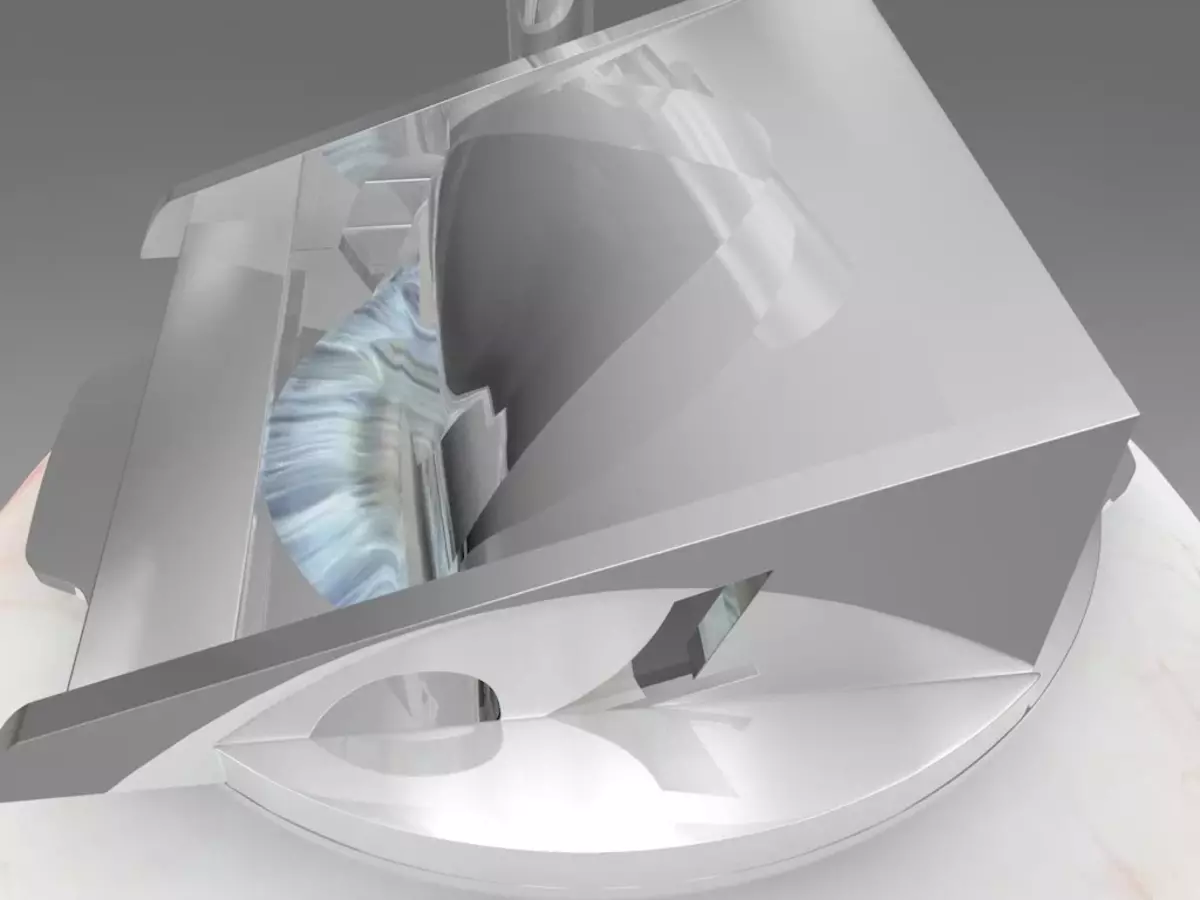
In Femto-LASIK, a femtosecond laser is used in the first step to create a corneal flap. This is why laser eye surgery using Femto-LASIK is slightly safer than LASIK, in which this step is performed with a microkeratome.
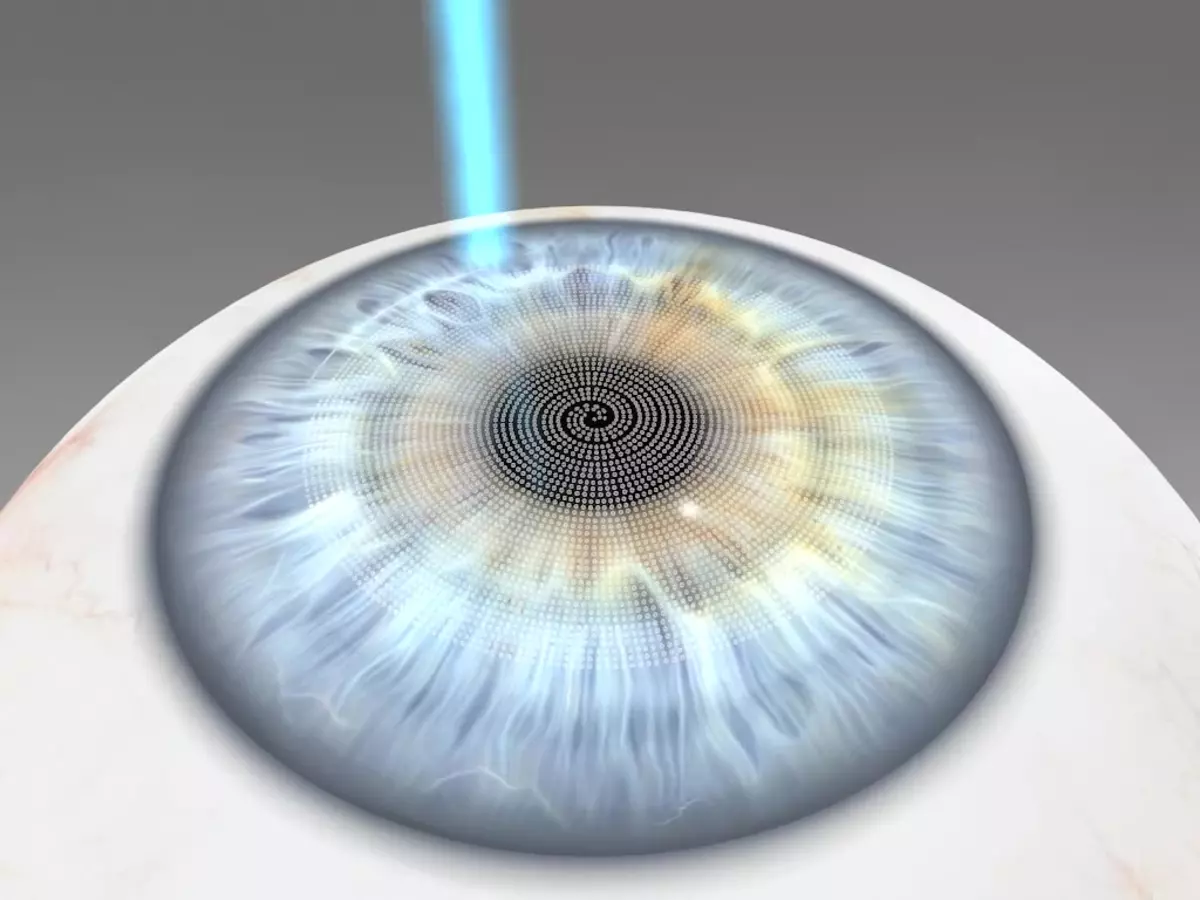
Since a femtosecond laser does not produce smooth cuts but instead leaves gas bubbles in the tissue, with tissue bridges remaining between them, miscuts can be corrected. If the tissue bridges are not severed, the bubbles dissolve and the tissue remains as stable as before.
The actual correction of the refractive error within the cornea takes place in a second step using a computer-controlled excimer laser, whose light pulses precisely reshape individual areas of the exposed corneal surface.
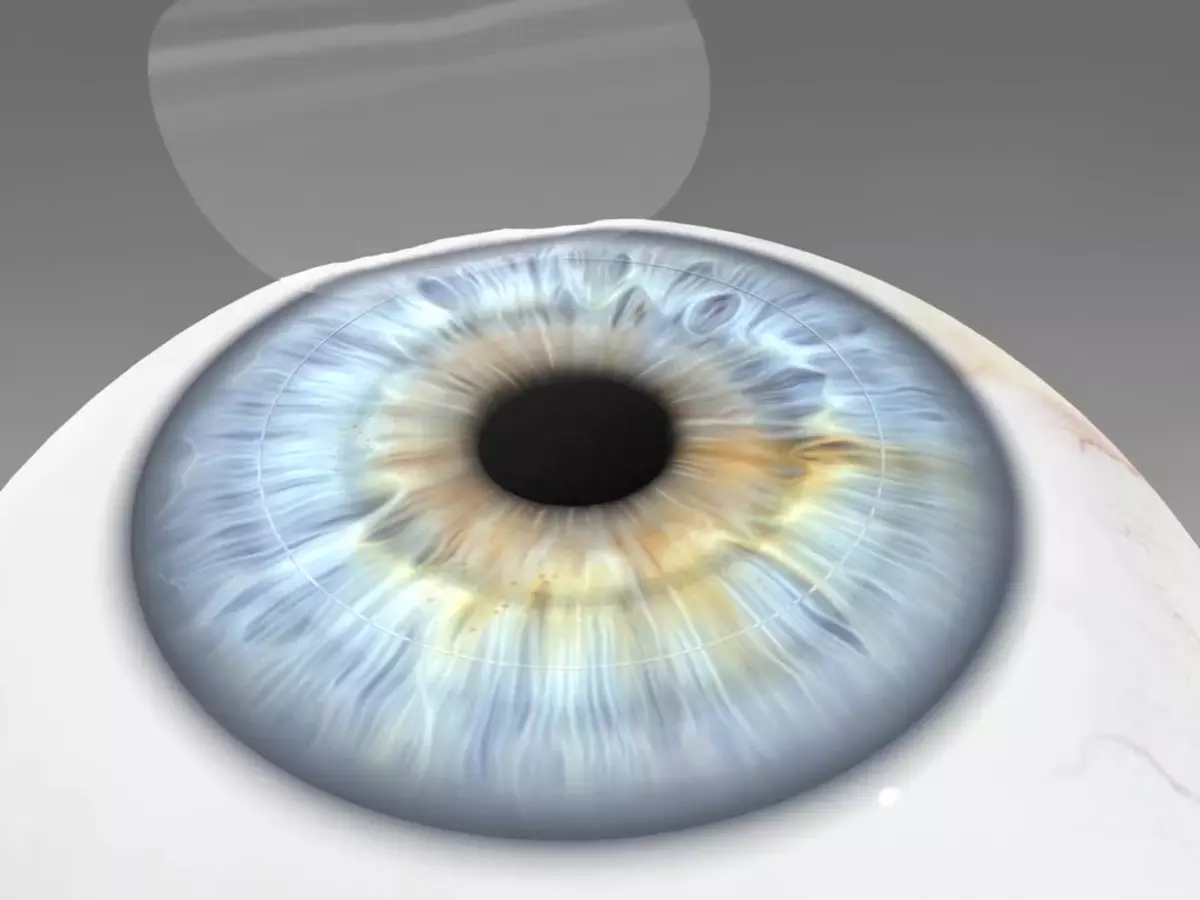
Risks Associated with the Flap: After the procedure, the corneal flap never reattaches as firmly as it did before. The incision surface is held in place solely by adhesion. Scarring occurs only at the edges of the incision. This means that even years later, the flap can be easily lifted again, for example, for a re-LASIK procedure. It can be dislodged at any time due to external factors, such as sports injuries, pets, or accidents. It is known that the edges scar more stably after Femto-LASIK than after standard LASIK.
If a patient has an existing intolerance to contact lenses, the SMILE method or the new SMILE Pro should be preferred over Femto-LASIK, because all LASIK procedures can cause dry eye for three to six months. Dry eye is the most common cause of contact lens intolerance. Even if contact lenses need to be worn again later in life—for example, due to presbyopia—this is, of course, possible thanks to the stability achieved after SMILE surgery.
In a single step, the excimer laser removes the outer, regenerative layer of the cornea (epithelium) only in the areas where the vision correction will be performed immediately afterward.
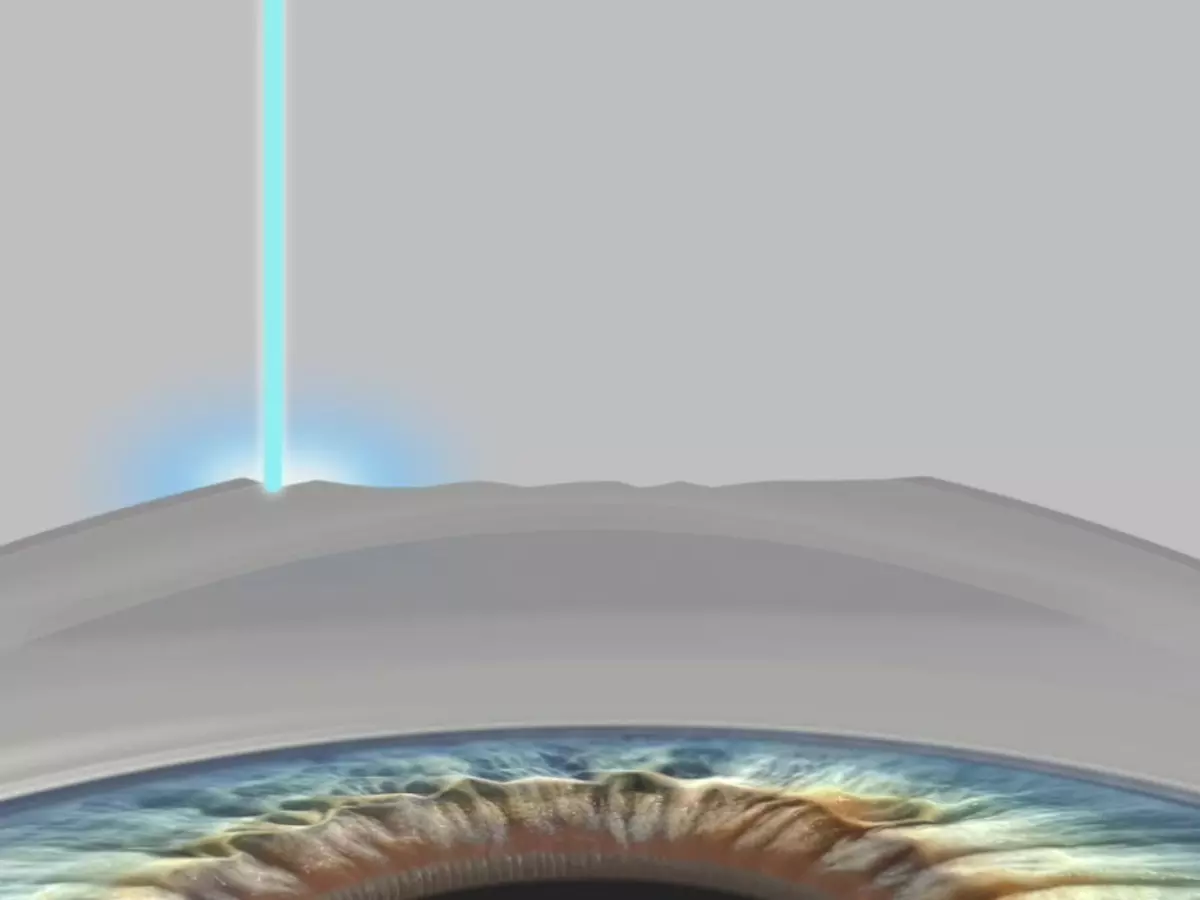
This correction is also performed using the excimer laser through precise ablation of the underlying corneal stroma.
This means the epithelium does not need to be removed manually, nor is an alcohol solution used, as is the case with traditional PRK methods. The excimer laser allows for easier, more precise, and more uniform ablation. Typically, just a few days after TransPRK, the epithelium—and thus your vision—has already recovered.
Advantages
No contact between the eye and any instrument
No manual incision into the cornea, no alcohol
Also suitable for patients who wear contact lenses or participate in water sports
The entire procedure is performed using an excimer laser
Particularly smooth corneal ablation for optimal visual quality and faster visual recovery than with traditional PRK
More cost-effective and safer than traditional PRK methods
Extremely fast, resulting in the shortest treatment time
Greater safety thanks to the 7-D Eye Tracker
More precise calculation of the ablation profile thanks to a unique combination of aberrometry and topography
Side Effects
Like any surface treatment, this one also carries a higher risk of infection than Femto-LASIK or SMILE
After laser eye surgery, you will experience pain for about 1 to 2 days until the epithelium has regenerated
During this time, you’ll need to wear protective contact lenses to relieve the pain
Overall, vision recovery takes 2 to 3 weeks—significantly longer than after Femto-LASIK or SMILE
Dry eyes may also persist longer after TransPRK than after SMILE
PRK, LASEK, and Epi-LASIK
Traditional: Laser eye surgery using PRK, LASEK, and Epi-LASIK, which reshape the surface of the cornea
The first laser eye surgery performed on a human was photorefractive keratectomy (PRK) using an excimer laser. It was first performed in 1987 and is therefore considered the first generation of laser eye surgery. In this laser procedure, the corneal epithelium is first mechanically removed with a scalpel. The underlying upper layer of the cornea is then reshaped using an excimer laser. After the laser treatment, a bandage must be worn for several days until the epithelium has regenerated.
A variant of PRK: Epi-LASIK – Cutting the epithelial flap with a microkeratome
Laser eye surgery using Epi-LASIK (epithelial LASIK) is another modern variation of PRK that carries fewer risks than LASIK. In this laser eye surgery procedure as well, the epithelium is lifted as a single sheet and folded back, to be repositioned to its original location after the laser treatment. However, a microkeratome similar to the one used in LASIK is employed for this procedure. While this eliminates alcohol-related healing complications, as seen with LASEK, there is a risk of an incorrect incision. Here, too, vision is expected to recover more quickly.
The greatest risk is the incision made with the microkeratome. In Epi-LASIK, the epithelial flap is cut with a microkeratome. This carries the risk of an incorrect incision that cannot be corrected. For this reason, we advise against undergoing Epi-LASIK laser eye surgery.
The biggest drawback is its security profile.
Dr. Detlev Breyer
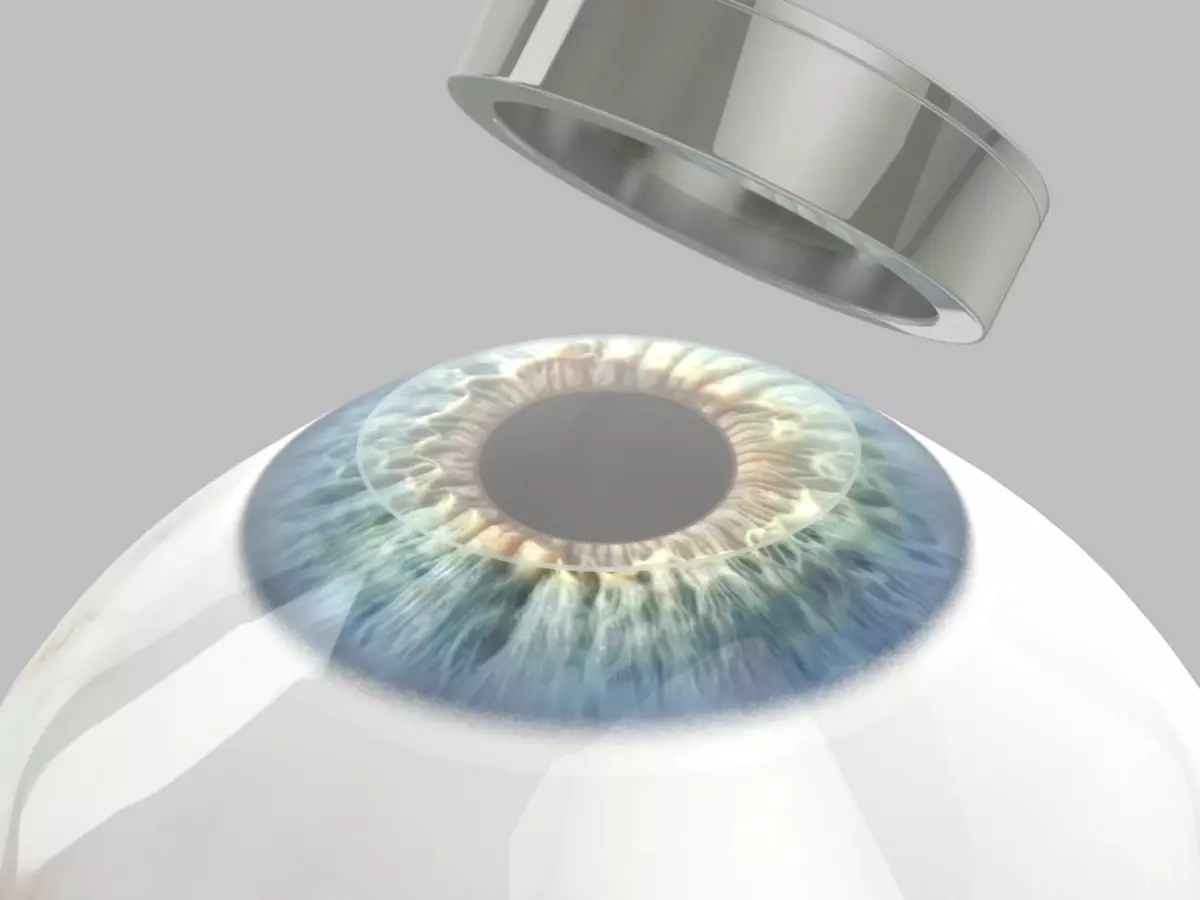
A variant of PRK: LASEK – Preparation of the epithelial flap using alcohol
During LASEK (laser-assisted subepithelial keratectomy) eye surgery, the entire epithelial layer is pretreated with alcohol, manually dissected using special instruments, lifted, and folded back. After the laser treatment, it is replaced. The pretreatment of the epithelium with alcohol can lead to healing complications. After wearing a protective lens for 1 to 3 days, pain is somewhat less than with PRK, and vision is expected to return more quickly.
Benefits and Side Effects of Traditional PRK Methods
Advantages
No corneal flap is created
Also possible with thinner corneas
No flap-related risks
'Cost-effective' method
Side Effects
Significant postoperative pain lasting 4 to 5 days
Vision recovery takes 4 to 6 weeks
Highest risk of infection among all laser methods
Possible glare effects after laser eye surgery (haze)
The idea: to remove the upper layer of the cornea—just below the pain-sensitive corneal epithelium—leaving only a small strip, and to fold this layer aside like a lid. Next, the MEL60—a predecessor to the now widely used MEL90 ophthalmic excimer laser—was used to ablate the cornea in the deeper stroma, thereby correcting the refractive error. This new laser eye treatment was called Laser in situ Keratomileusis—shaping the interior of the cornea using a laser (Ancient Greek: Κερατων [cornea]; Μιλευσισ [shaping]), or LASIK for short, and was first performed in 1989 by Prof. I. Pallikaris at the University of Crete in Greece.
This laser eye surgery method has a relatively gentle learning curve for ophthalmologists, which is why it is also offered by ophthalmologists who perform few or no other eye surgeries. In the event of a complication, this could be disadvantageous for the patient.
To date, several million LASIK procedures have been performed. 90% of patients are satisfied with the results, while 10% experience side effects related to the flap.
Advantages
Minimal pain during the laser procedure
A long-established laser eye surgery procedure
Generally good visual outcomes
Not very demanding for the surgeon
Disadvantages
Painful flap incision with the microkeratome
Risk of an incorrect incision
Conjunctival hemorrhage
Flattening of the cornea, temporary loss of vision, and increased intraocular pressure with some lasers
Dry eyes for up to 6 months after the procedure, making it unsuitable for those with contact lens intolerance
Light and glare effects
Flap-related risks: displacement, detachment of the flap, flap folds, risk of injury to children’s fingers
Risk of corneal weakening (keratectasia)
Not suitable if you participate in contact sports
Important: Please do not apply or remove makeup for two weeks after surgery
More About SMILE
Learn more about laser eye surgery with SMILE



At a Glance
All Laser Eye Surgery Procedures Explained Step by Step
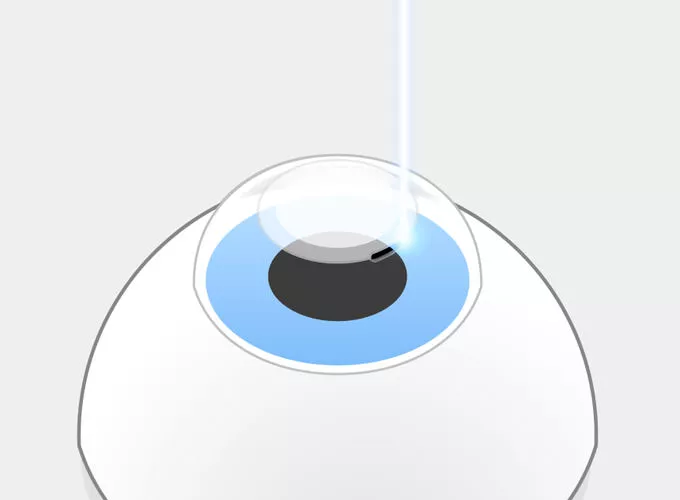
SMILE Pro Step-by-Step
SMILE Schritt 1
Der VisuMax 800 erzeugt in rund 10 Sekunden ein Lentikel im Innern der Hornhaut. Die Oberfäche der Hornhaut bleibt intakt.
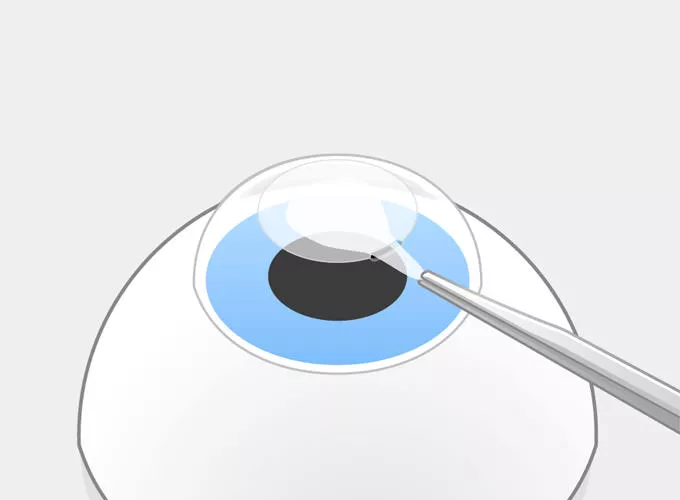
SMILE Schritt 2
Dann schneidet der Femtosekundenlaser eine Öffnung von 2-4 mm in die Hornhautoberfläche.
SMILE Schritt 3
Der Operateur löst das Lentikel und zieht es durch die Öffnung heraus. Das Auge bleibt stabil.

SMILE!
Schmerzfrei und sehr sicher. Genießen Sie Ihre neue Sehkraft und den hohen Komfort!
Femto-LASIK: Step by Step
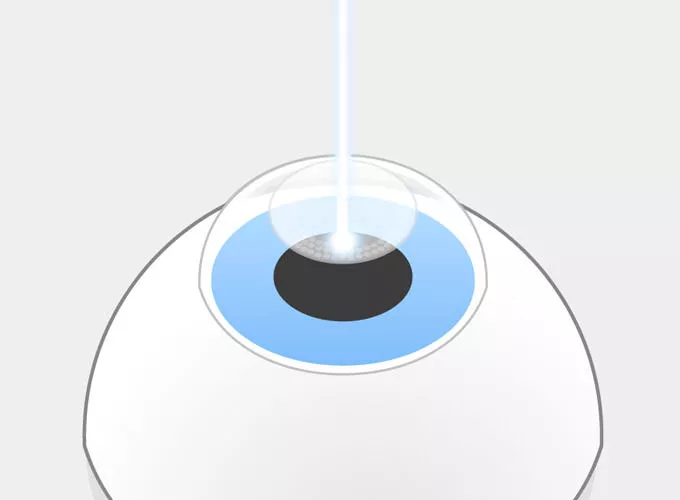
Femto-LASIK Schritt 1
Der Femtosekundenlaser präpariert den Flap und durchtrennt dabei auch Hornhautnerven. Dadurch entsteht ein trockenes Auge.
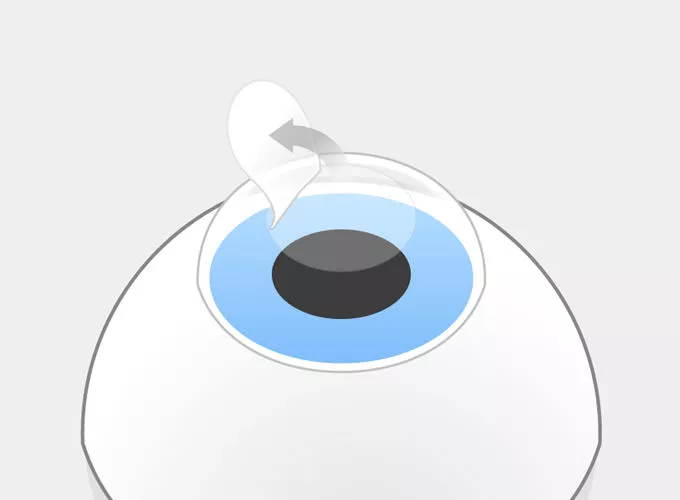
Femto-LASIK Schritt 2
Der Flap wird wie ein Deckel zur Seite aufgeklappt.
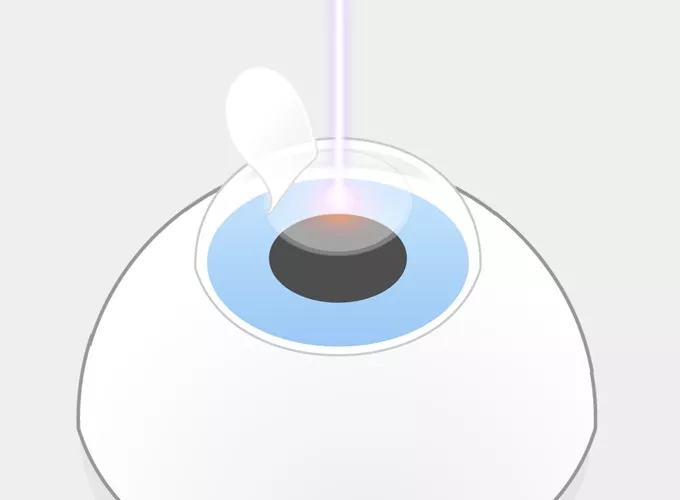
Femto-LASIK Schritt 3
Lichtpulse des Excimerlasers verdampfen einzelne Bereiche der freigelegten Hornhaut.
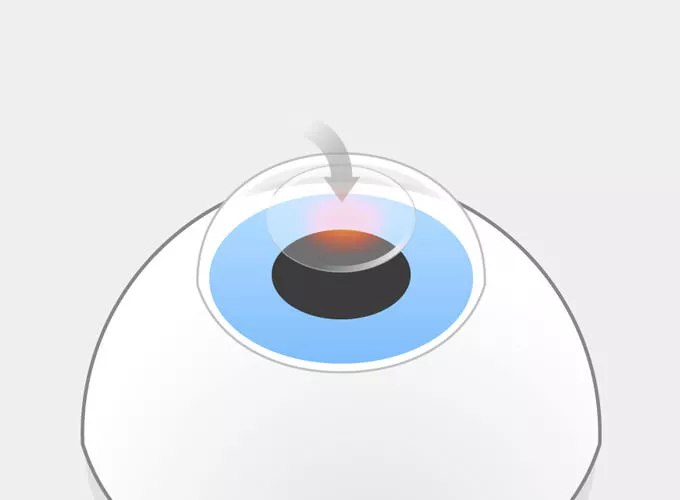
Femto-LASIK Schritt 4
Der Flap wird zurückgeklappt. Er vernarbt an den Rändern, wächst allerdings nicht mehr richtig fest.
(Trans)PRK: Step by Step
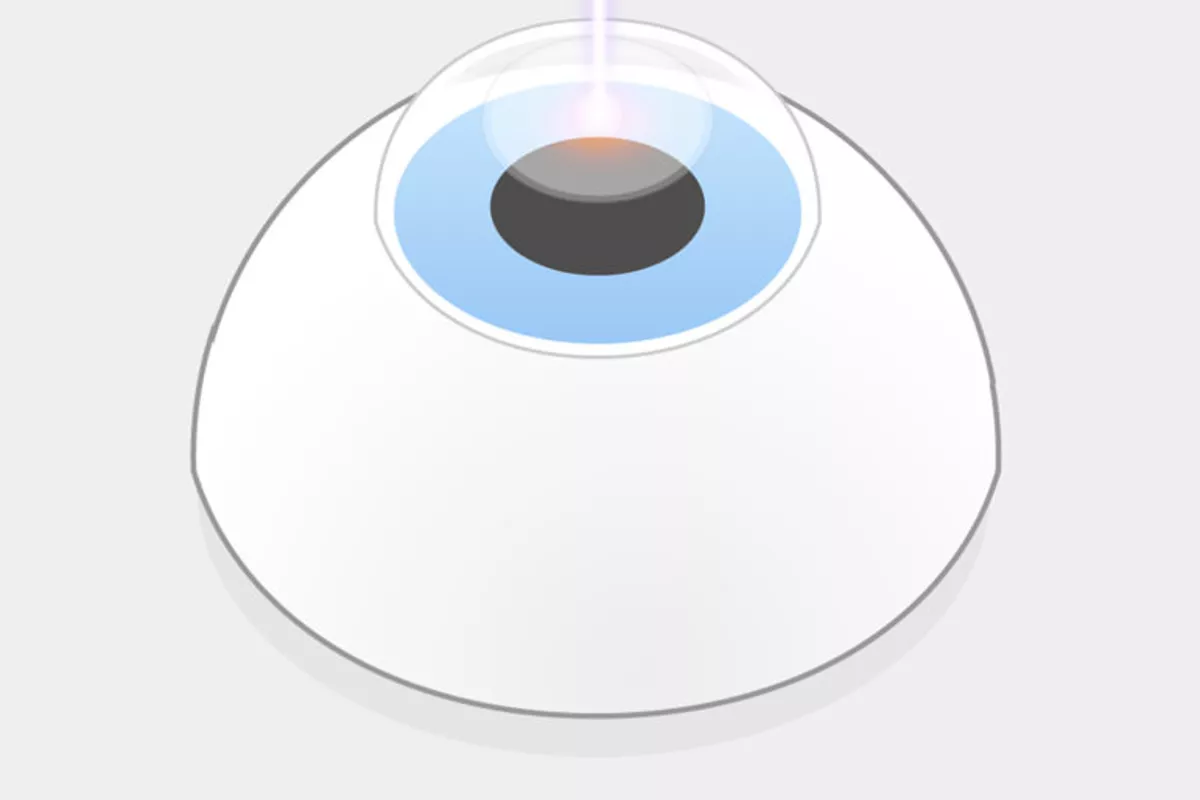
TransPRK Augenlasern Schritt 1
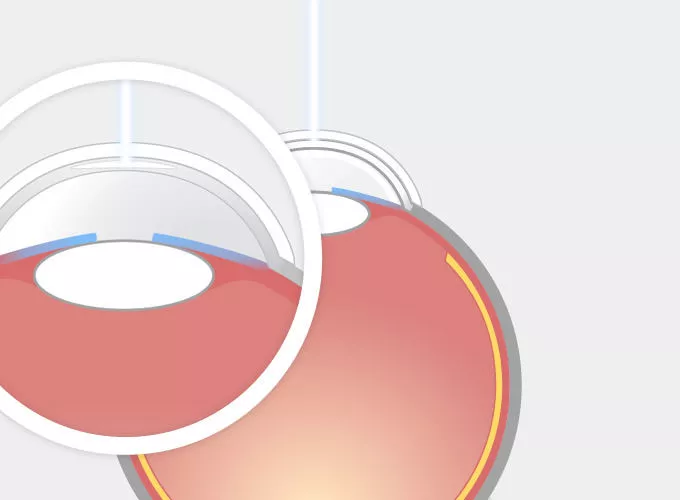
Die Lichtpulse des Excimerlasers verdampfen erst das Hornhautepithel und anschließend einzelne Bereiche der darunter liegenden Hornhaut, während der Patient einen Lichtpunkt fixiert und ein 7D-Eyetracker den Laservorgang überwacht.
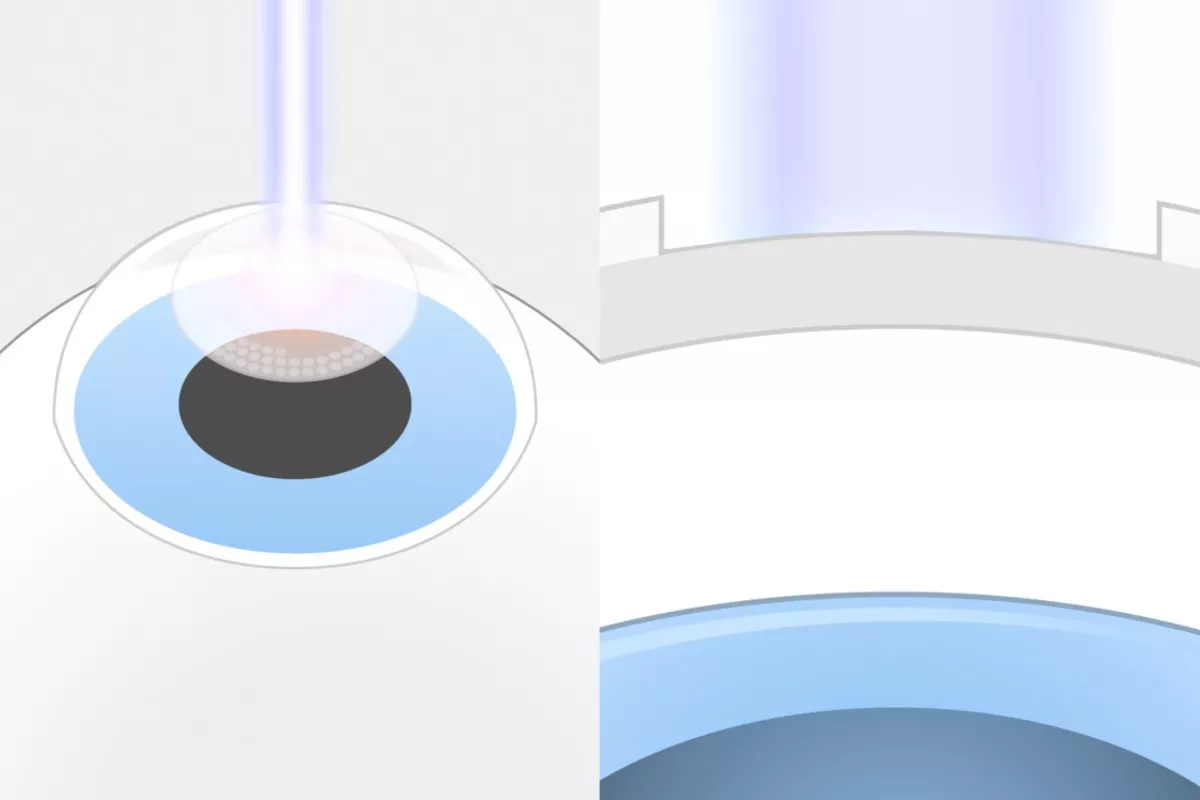
TransPRK Augenlasern Schritt 1
(Vergrößerung und Seitenansicht): Rechts sieht man, dass der Laser erst die oberste Schicht, das Epithel, entfernt und anschließend das darunter liegende Hornhautgewebe formt.
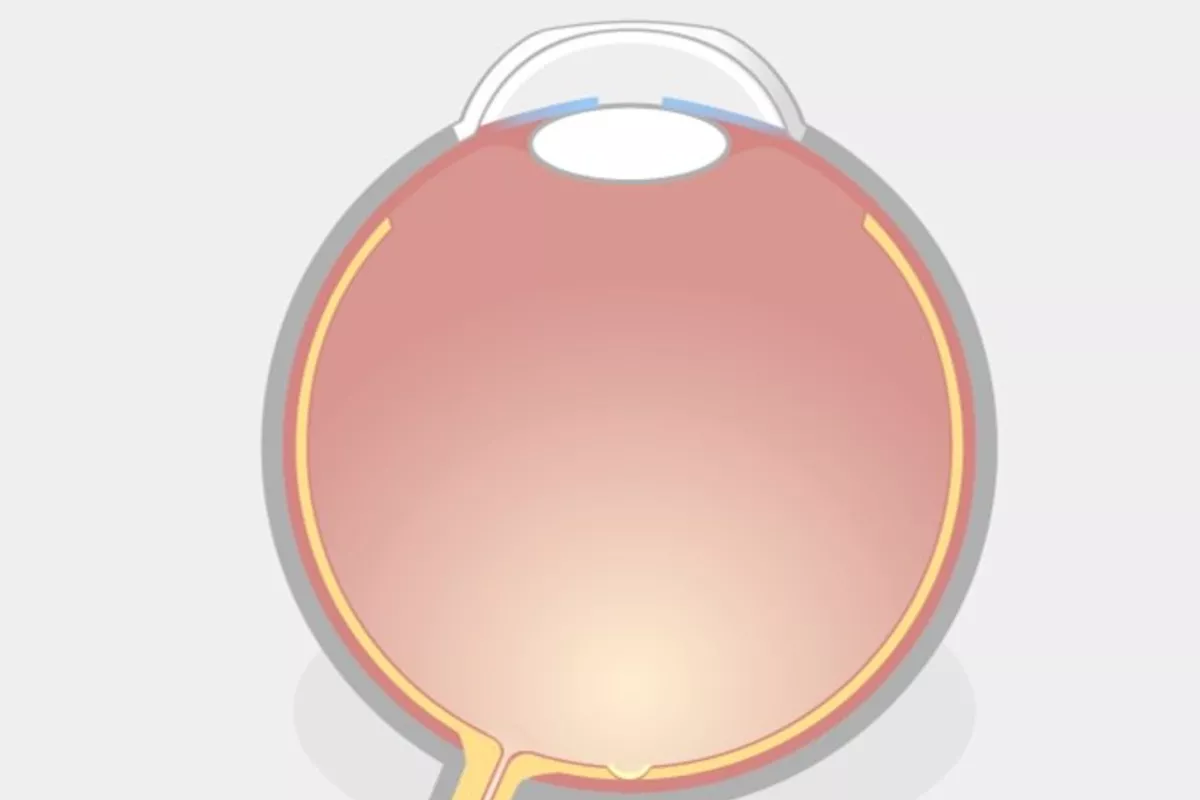
TransPRK Augenlasern Schritt 2
Nach der TransPRK-Behandlung ist die Hornhaut ohne Schutzschicht, deshalb muss eine schützende Kontaktlinse getragen werden. Schmerzen dauern 1 bis 2 Tage, währenddessen ist das Infektionsrisiko erhöht.
PRK Step by Step
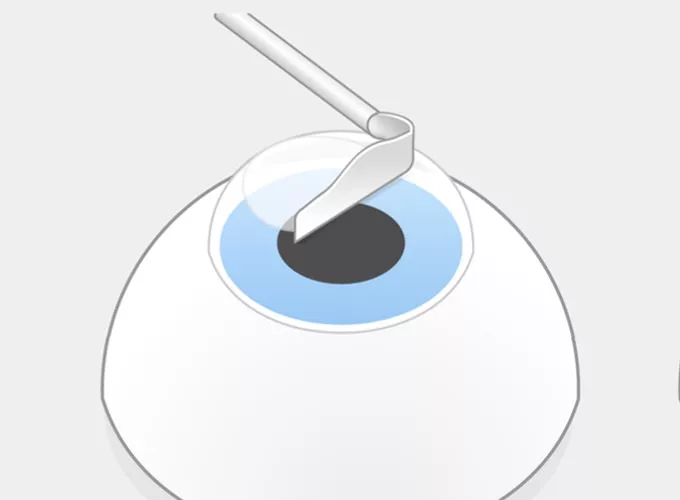
PRK Augenlasern Schritt 1
Die oberste Schicht der Hornhaut, das Epithel, wird mit einer Alkohollösung vorpräpariert und anschließend mechanisch entfernt. Bei der Trans-PRK entfällt dieser Schritt.
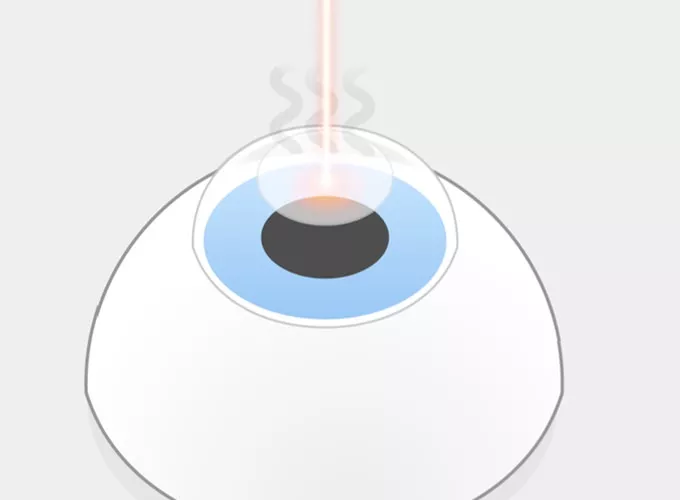
PRK Augenlasern Schritt 2
Anschließend verdampfen Lichtpulse des Excimerlasers einzelne Bereiche der freigelegten Hornhaut, während der Patient einen Lichtpunkt fixiert. Es entstehen unangenehme Gerüche.
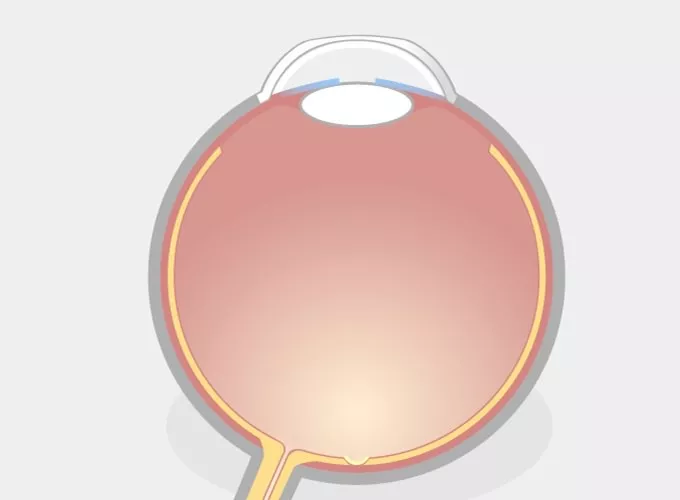
PRK Augenlasern Schritt 3
Nach der PRK-Behandlung bleibt die Hornhaut ohne Schutzschicht, Schmerzen dauern 3 bis 4 Tage, währenddessen ist das Infektionsrisiko erhöht.
LASIK: Step by Step
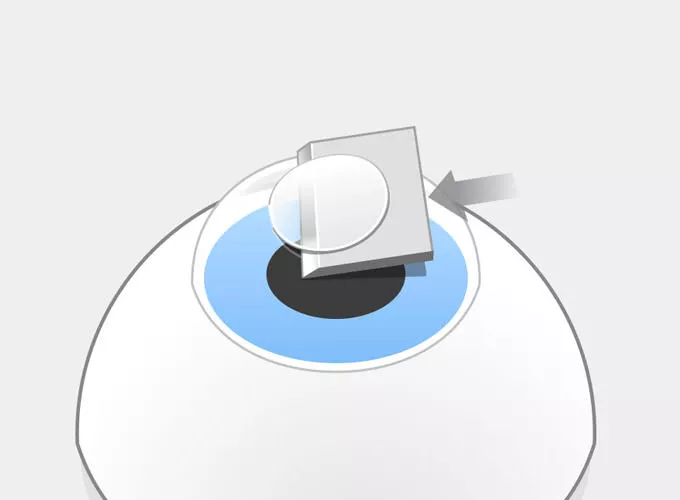
LASIK Schritt 1
Der Flapschnitt wird mit einem Mikrokeratom bis auf eine kleine Verbindung abgehobelt und durchtrennt dabei Hornhautnerven. Dadurch entsteht ein trockenes Auge.
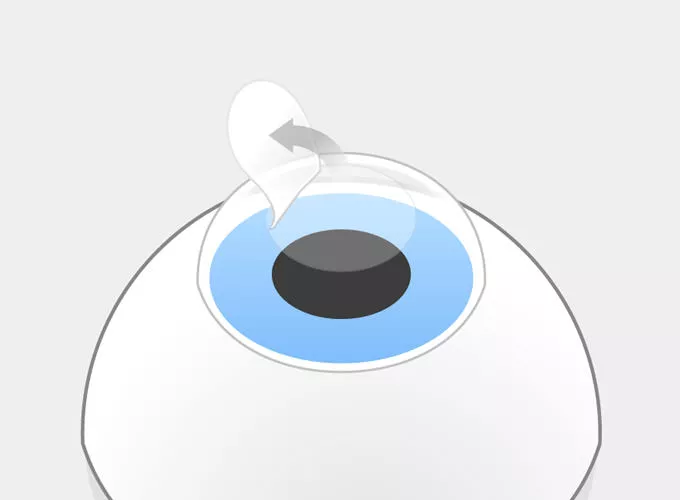
LASIK Schritt 2
Der Flap wird wie ein Deckel zur Seite aufgeklappt.
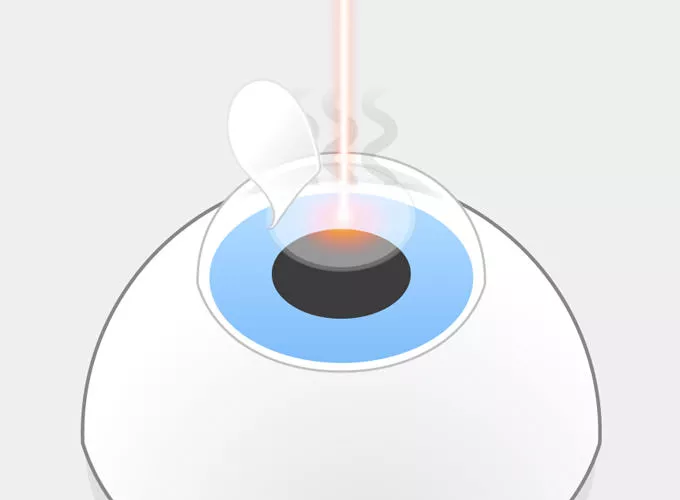
LASIK Schritt 3
Lichtpulse des Excimerlasers verdampfen einzelne Bereiche der freigelegten Hornhaut. Es entstehen unangenehme Gerüche.
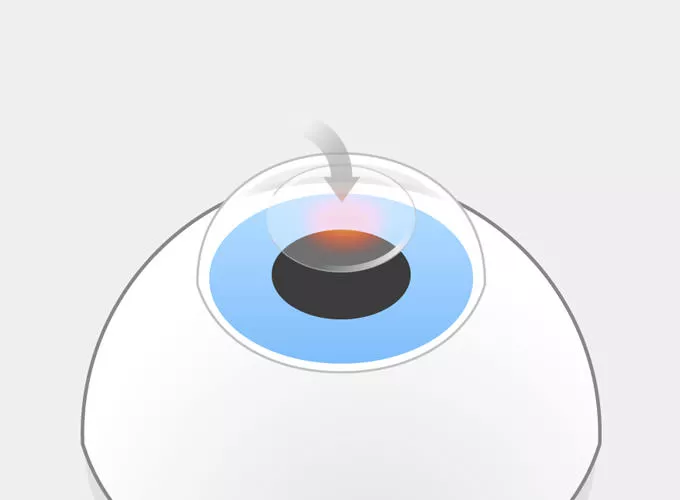
LASIK Schritt 4
Der Flap wird zurückgeklappt. Er vernarbt an den Rändern, wächst aber nie mehr richtig fest.
Suitability
Laser Eye Surgery—Eligibility and Exclusion Criteria
The scope of application established by the Commission for Refractive Surgery (KRC) depends on various factors that must be carefully assessed during a preliminary examination.
At least 18 years of age
Since vision problems in young people are still progressing, laser eye surgery is not recommended before the age of 18, as there is a risk of regression—that is, the visual outcome would deteriorate again.
Corneal thickness
An important criterion is corneal thickness. As a general rule, a residual thickness of 250 µm should remain after treatment. For flap-based procedures such as LASIK or Femto-LASIK, the residual thickness is calculated by subtracting the flap thickness and the maximum depth of corneal tissue to be ablated. A cornea that is too thin and excessive prescription strength are exclusion criteria. Keep in mind that the cornea must ensure the stability of the eye and withstand the pressure exerted on it from within. A cornea that is too thin after laser eye surgery carries the risk of so-called keratectasia, a condition in which the cornea becomes unstable and bulges outward.
Pupil size
Pupil size is an important factor in determining whether or not to undergo laser eye surgery. The larger the pupil, the greater the risk of glare—especially at dusk—because light also passes through the area of the cornea that has not been optimally corrected and is therefore not focused precisely on the retina.
Stable prescription for at least 1 year
Laser treatment is only likely to be successful if the vision problem is stable. Changing prescription strengths (before the onset of presbyopia) could be a sign of corneal weakening or a condition known as keratoconus. In this condition, the cornea bulges outward in a cone-shaped manner due to tissue weakness. If laser eye surgery is performed despite this, it accelerates the progression of the disease. In the late stages of keratoconus, a corneal transplant is often necessary. This condition must be ruled out through appropriate diagnostic testing, such as the Belin-Ambrosio chart.
No eye diseases
Only healthy eyes are suitable for laser eye surgery. Cataracts or corneal diseases are definite contraindications. For the LASIK and Femto-LASIK laser eye procedures, dry eyes are also a contraindication, because these procedures usually exacerbate the symptoms. One exception is ReLEx SMILE, as this procedure involves only a tiny incision of 2–4 mm. This incision does not affect the regulation of the tear film.
Exclusion criteria: Pregnancy and breastfeeding
If you are pregnant or breastfeeding, you must not undergo either the preliminary examination or laser eye surgery—for your own safety.
Don't worry—we're also well-versed in alternatives to laser eye surgery, such as implantable contact lenses or other lens procedures. That's why we provide you with independent, optimal, and personalized advice.
Focus Top Physician Dr. Detlev Breyer
Before Treatment
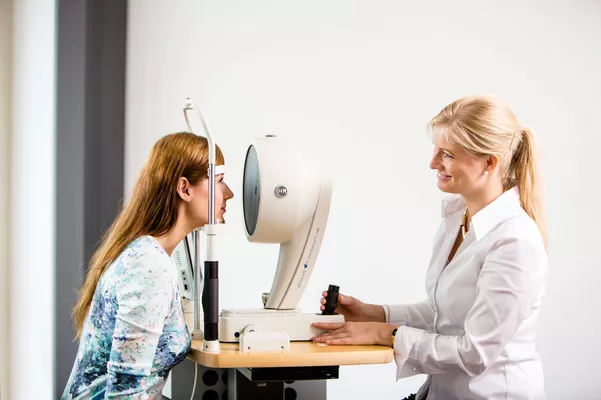
First, a quick check; then, a thorough preliminary examination
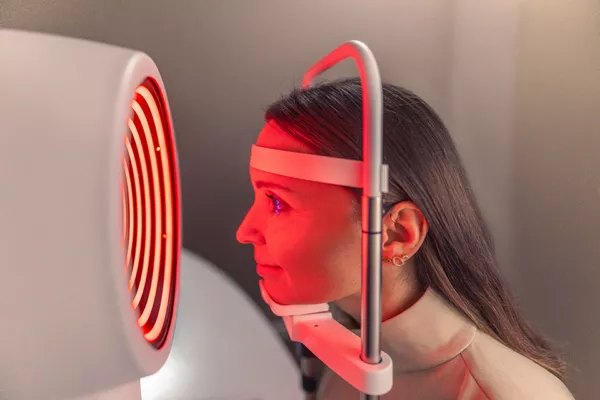
Refractive Errors
More About Laser Eye Surgery



Technology
Which lasers are currently used for laser eye surgery?
In laser eye surgery to correct refractive errors of the cornea, two types of lasers are typically used: excimer lasers and femtosecond lasers.
Excimer lasers vaporize the tissue
Function: Excimer lasers are gas lasers capable of generating electromagnetic radiation in the ultraviolet wavelength range. Current models include, for example, the MEL 80 from Zeiss, which generates radiation with a wavelength of 193 nm at a frequency of 250 Hz, and its successor, the MEL 90, with a frequency ranging from 250 to 500 Hz. In contrast, the SCHWIND AMARIS 1050RS excimer laser operates at 1050 Hz, offering unmatched speed: On average, it takes about 1.3 seconds to ablate one diopter. During tissue ablation with an excimer laser, the tissue is vaporized by the laser spot. The smaller the spot size, the more precise the ablation. The tissue surrounding the laser spot is only slightly heated. With older excimer laser models, unpleasant fumes and odors can be produced during the laser procedure. For this reason, these lasers typically feature a built-in smoke extraction system.
Applications: An excimer laser is used for tissue ablation in TransPRK, older PRK procedures, LASIK, and Femto-LASIK. If tissue inside the cornea is to be removed, the overlying tissue must first be removed with the laser or folded aside. In LASIK and Femto-LASIK, a corneal flap is cut and folded to the side.
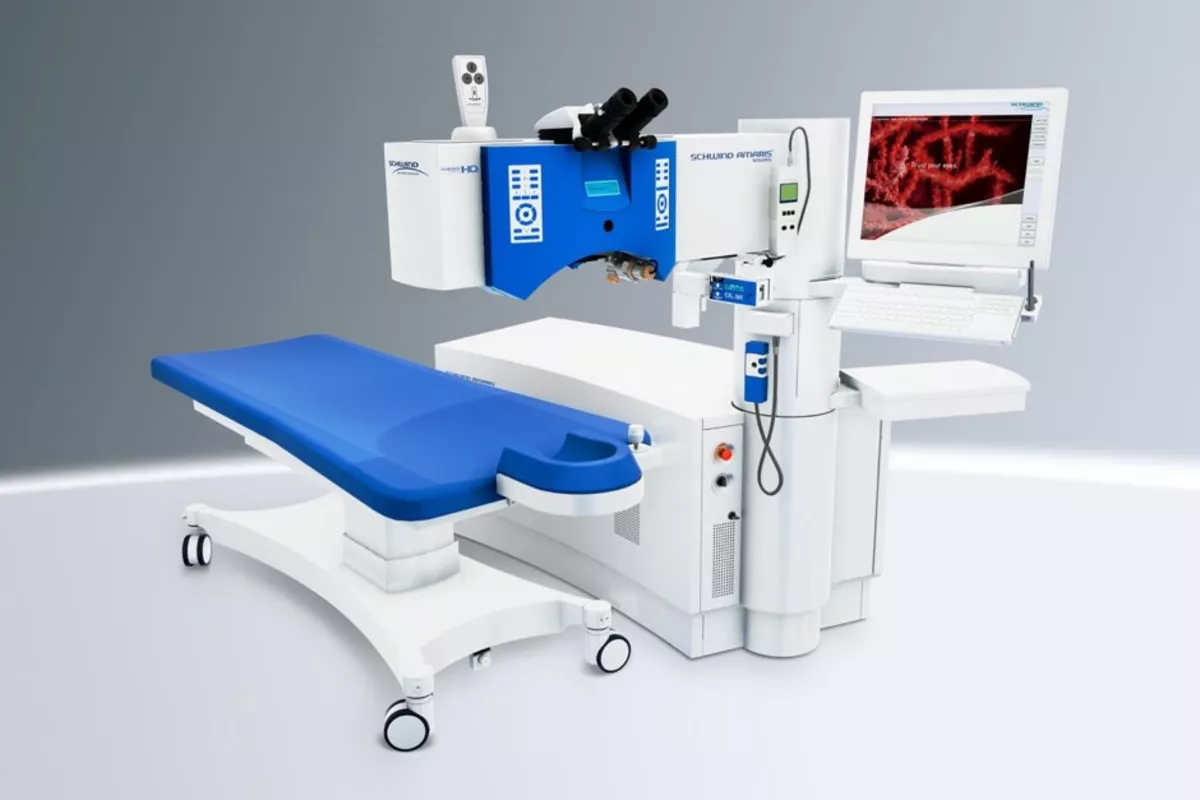
Effectiveness: Tissue ablation with an excimer laser can be performed with great precision based on a thorough preliminary examination. Wavefront-guided ablation profiles are also possible, which compensate for even the smallest deviations of the corneal surface from an optimal spherical shape to achieve even better visual quality.
Safety: An ablation performed with an excimer laser is irreversible, as corneal tissue that has been vaporized does not regenerate. To prevent miscuts and enhance safety during laser eye surgery, modern excimer lasers are equipped with an eye-tracking system that precisely monitors the patient’s eye movements. Minor movements can be accommodated within certain tolerances during ablation. If the patient moves their eye too much, the laser procedure is paused or stopped. The eye tracker on the Schwind Amaris 1050RS excimer laser tracks involuntary eye movements in 7 dimensions, making it the current market leader.
Femtosecond lasers produce gas bubbles in tissue
Function: Femtosecond lasers emit light pulses with durations in the femtosecond range. One femtosecond (fs) equals 10⁻¹⁵ seconds. Unlike an excimer laser, a femtosecond laser can also deliver its laser pulses at a precisely calculated tissue depth. This means that the overlying tissue does not need to be removed. Among the most advanced and fastest models for use in refractive corneal surgery is the VISUMAX 800 femtosecond laser from Zeiss. Its laser beam is highly focused by ZEISS’s high-precision optics—which have been proven over the past 12 years—enabling unprecedented control over the incision path. A femtosecond laser does not generate heat but rather creates tiny gas bubbles inside the tissue. When a cut is made, many tiny gas bubbles form side by side, with small tissue bridges remaining between them. Only when the surgeon breaks these bridges is the cut complete and the tissue separated. There are no unpleasant odors or noises.
Applications: A femtosecond laser is used, for example, to cut the flap during Femto-LASIK. This is the key difference between the two procedures: In LASIK, the flap is cut with a microkeratome, whereas in Femto-LASIK, it is cut with a femtosecond laser. The VISUMAX is also the only laser that enables laser eye surgery using the ReLEx SMILE procedure. In this procedure, the laser creates a precisely calculated corneal disc (lenticule) inside the cornea; once removed through a tiny opening, the eye’s refractive error is corrected—all within just 10 seconds!
Patient interface: A major advantage of the VISUMAX is its anatomically shaped contact lens. It exerts significantly less pressure on the eye because it conforms to the eye’s spherical shape. This prevents the eye from going “black.”
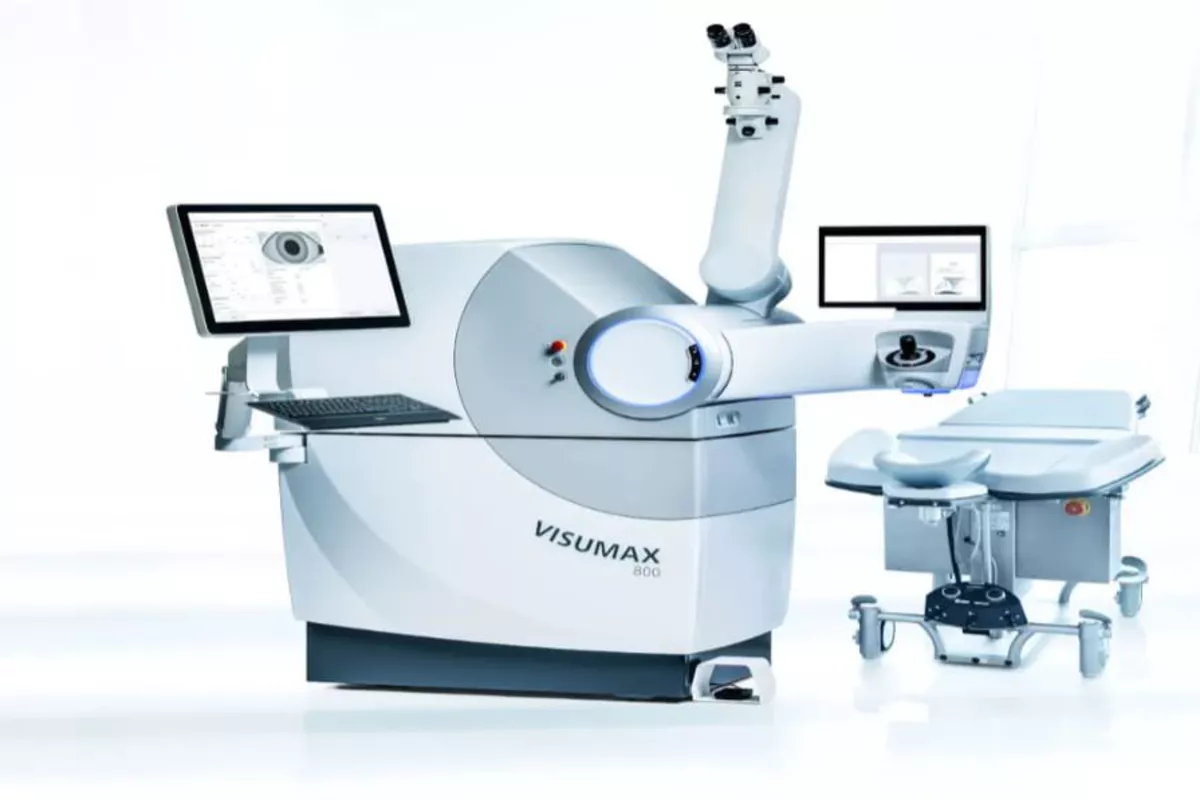
Effectiveness: Femtosecond lasers have been used in laser eye surgery since 2004. Initially, they were used as a replacement for the microkeratome, since the femtosecond laser can cut thinner flaps than the microkeratome. The VISUMAX femtosecond laser is in no way inferior to the excimer laser in terms of precision and effectiveness, as numerous studies have now confirmed. At least since the introduction of the ReLEx SMILE procedure, it has also been known that the VISUMAX can achieve ablation and cutting profiles just as precise as those of an excimer laser, allowing for precise correction of refractive errors based on a thorough preoperative examination, including wavefront-optimized ablation profiles.
Safety: When an area is prepared with a femtosecond laser, only gas bubbles are initially formed there. Only when the tissue bridges between them are severed does a true incision occur. If an error occurs, the simple solution is to wait until the gas bubbles have been absorbed. Approximately 4 weeks later, the laser procedure can be repeated as if nothing had happened. Incorrect cuts are therefore not possible with a femtosecond laser, which is a major safety advantage, especially when compared to a flap incision made with a microkeratome.
Costs
Laser Eye Surgery—A Cost Comparison
PRK / LASEK Basics
Includes an initial consultation and laser treatment with Dr. Artz.
Wavefront-Optimized Premium Femto-LASIK
Includes an initial consultation and examination, a preliminary examination, laser treatment by Dr. Breyer, and a follow-up visit.
Wavefront-Optimized SMILE® Pro Laser Eye Surgery
Includes an initial consultation and examination, a preoperative examination, laser treatment to correct myopia performed by Dr. Breyer, and a follow-up visit the day after surgery.
Speed – SMILE® Pro Laser Eye Surgery
Wavefront-optimized SMILE® Pro laser eye surgery on three consecutive days, including an initial consultation and preoperative examination. Upon request, we can also schedule the postoperative follow-up on a Saturday.
Weekend – SMILE® Laser Eye Surgery Pro
Wavefront-optimized SMILE® Pro laser eye surgery—the new ReLEx SMILE—is available on weekends, including an initial consultation and examination. Upon request, we can perform the preoperative examination, laser treatment, and postoperative follow-up on weekends.
Wavefront-Guided TransPRK SmartSurfACE
Includes an initial consultation and examination, a preliminary examination, laser treatment by Dr. Artz, and a follow-up visit.
Premium TransPRK SmartSurfACE
Includes an initial consultation and examination, a preliminary examination, laser treatment by Dr. Breyer, and all necessary follow-up visits.
Presbyopia Correction with Customized Wavefront-Guided Femto-LASIK
Includes an initial consultation and examination, a preliminary examination, laser treatment by Dr. Breyer, and all necessary follow-up visits.
Presbyopia Correction with Customized Wavefront-Guided TransPRK SmartSurfACE
Includes an initial consultation and examination, a preliminary examination, laser treatment by Dr. Breyer, and all necessary follow-up visits.
Weekend – SMILE® Laser Eye Surgery Pro
Wavefront-optimized SMILE® Pro laser eye surgery—the new ReLEx SMILE—is available on weekends, including an initial consultation and examination. Upon request, we can perform the preoperative examination, laser treatment, and postoperative follow-up on weekends.
* The fees for our laser and lens treatments are based on the German Scale of Medical Fees (GOÄ). To help you plan better, we have compiled a list of estimated prices for some service packages as examples. We’d be happy to discuss which treatment is right for you and the approximate costs you can expect after an initial examination. All information is provided without guarantee.
By the way: Under certain circumstances, the costs of laser eye treatments may be tax-deductible as an extraordinary expense under Section 33 of the German Income Tax Act (EStG) without the need to submit a medical certificate from a public health officer.
Quick Check
Schedule an appointment for a free quick check
If you're interested in achieving the best possible vision without glasses, please feel free to schedule an appointment for a no-obligation initial consultation—including a quick eye check—or a thorough preliminary examination with Dr. Detlev R.H. Breyer by phone or online via doctolib.de.
Further Reading
Breyer D.R.H., Kaymak H., Klabe K., Ax T., Hagen P.R., in: Tägliche Praxis 60, 637–651 (2018) pdf, 855.96 KB ›