
Laser Eye Surgery
Laser Eye Surgery with SMILE® pro – Gentle, Painless, and Safe
The new SMILE® pro laser eye surgery procedure, using the VISUMAX 800 (Zeiss) femtosecond laser, has been available since early 2022. SMILE pro corrects nearsightedness and astigmatism; since 2024, it has also been approved for the correction of farsightedness. During the procedure, the femtosecond laser creates a lenticule within approximately 20 seconds while the cornea is closed; this lenticule is then removed through a minimal 2-mm incision. The procedure has been successfully performed over 10 million times worldwide.
SMILE is one of the so-called KLEx procedures (keratorefractive lenticule extraction) and has been in use since 2011. Premium Eyes is one of the first 10 eye centers worldwide to perform SMILE for farsightedness. Dr. Detlev R.H. Breyer, FWCRS and a Focus Top Physician, has been one of the world’s SMILE pioneers since 2011 and has personally performed over 10,000 successful SMILE procedures.
Schedule
an appointment for a free initial consultation.
Scope of Application
SMILE pro corrects nearsightedness and farsightedness—even when astigmatism is present
In January 2022, the VISUMAX 800, equipped with SMILE pro software, received approval from the U.S. FDA for the correction of nearsightedness with and without astigmatism. In September 2024, Zeiss announced the approval of SMILE pro for the treatment of farsightedness (hyperopia) with or without astigmatism for the European market.

Myopia (sphere) -1.00 to -10.00 dpt
Astigmatism up to 5.00 dpt
Spherical equivalent: -0.75 to -10.00 dpt
NEW: Farsightedness (hyperopia) +1.0 to 5.0 dpt
Farsightedness can now also be corrected with the SMILE method, a gentle, flapless laser procedure. We are among the first 10 eye centers worldwide to offer this treatment.
Dr. Detlev Breyer
SMILE® pro (Zeiss) with the VISUMAX 800 is the latest version of ReLEx SMILE. This was the first pain-free, minimally invasive laser eye surgery procedure in which the cornea remains intact except for a tiny 2–3 mm incision. Only within the cornea (stroma) is a precisely calculated corneal disc (lenticule) created and removed through a tiny opening. Studies show that SMILE is superior to LASIK and Femto-LASIK in terms of safety and ocular stability and has fewer side effects.
SMILE® pro with the VISUMAX 800 from Zeiss is even safer, more comfortable, more precise, and significantly faster. A true revolution in laser eye surgery.
Dr. Detlev Breyer
The best thing about SMILE pro is that you won’t experience any complications after surgery and can sleep soundly. SMILE pro is even suitable for patients with more severe refractive errors, thinner corneas, or dry eyes. That’s why it’s our top choice for laser eye surgery for patients with contact lens problems. With the VISUMAX 800, we can offer you even more benefits.

With conventional LASIK or Femto-LASIK, a large flap must be created in the upper layer of the cornea. This circular flap is lifted in both LASIK and Femto-LASIK procedures to allow the underlying cornea to be reshaped with the laser. If you choose SMILE pro, this flap is not required. So you don’t need to be afraid of laser eye surgery. The new SMILE pro is even safer, more comfortable, more precise, and faster than conventional ReLEx SMILE.
Procedure
How does the SMILE® Pro laser eye surgery procedure work?
In the SMILE® pro procedure, the femtosecond laser creates a thin, precisely calculated corneal disc (lenticule) within the cornea to correct the refractive error. The surgeon then removes the lenticule through a tiny incision measuring just 2 mm. It is no longer necessary to create a large flap in the upper layer of the cornea.
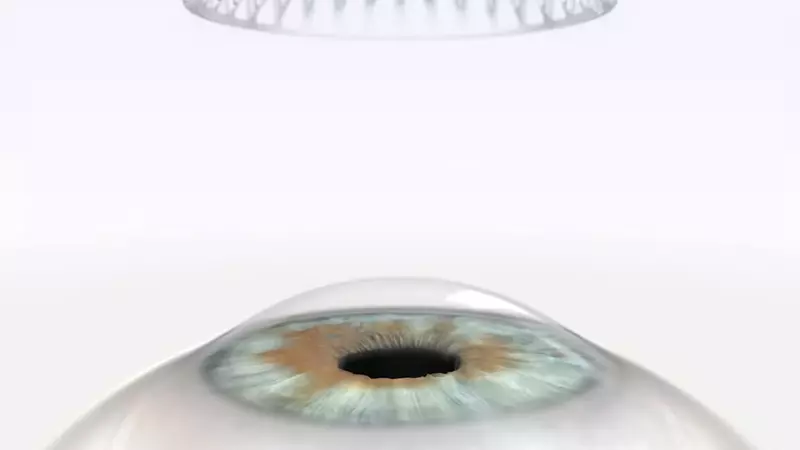
That's why there are hardly any restrictions after SMILE laser eye surgery; you can even exercise 20 minutes after the procedure, and showering is also allowed. You can start wearing makeup again the very next day.
How long does laser eye surgery with the SMILE pro take?
With the new SMILE procedure, the laser treatment itself actually takes only about 10 seconds per eye. The surgeon then removes the lenticule created by the laser from inside the cornea. In total, it usually takes no longer than 10–15 minutes to treat both eyes.
The VISUMAX 800 makes laser eye surgery more comfortable
The VISUMAX 800 is the latest Zeiss femtosecond laser featuring a new design. It makes the SMILE laser eye surgery procedure even more comfortable, faster, and painless. The freely movable laser arm with colored lighting is a major benefit, especially for anxious patients. It is positioned only after the patient has settled comfortably on the treatment table.
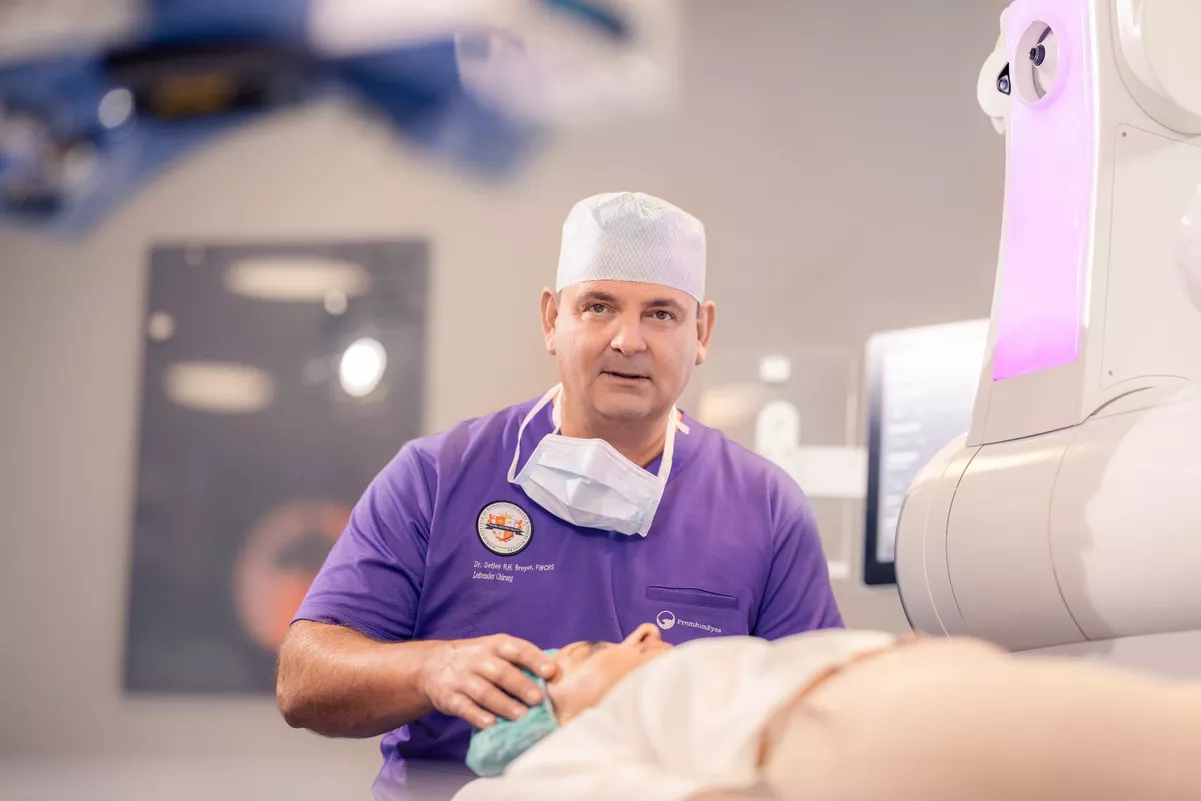
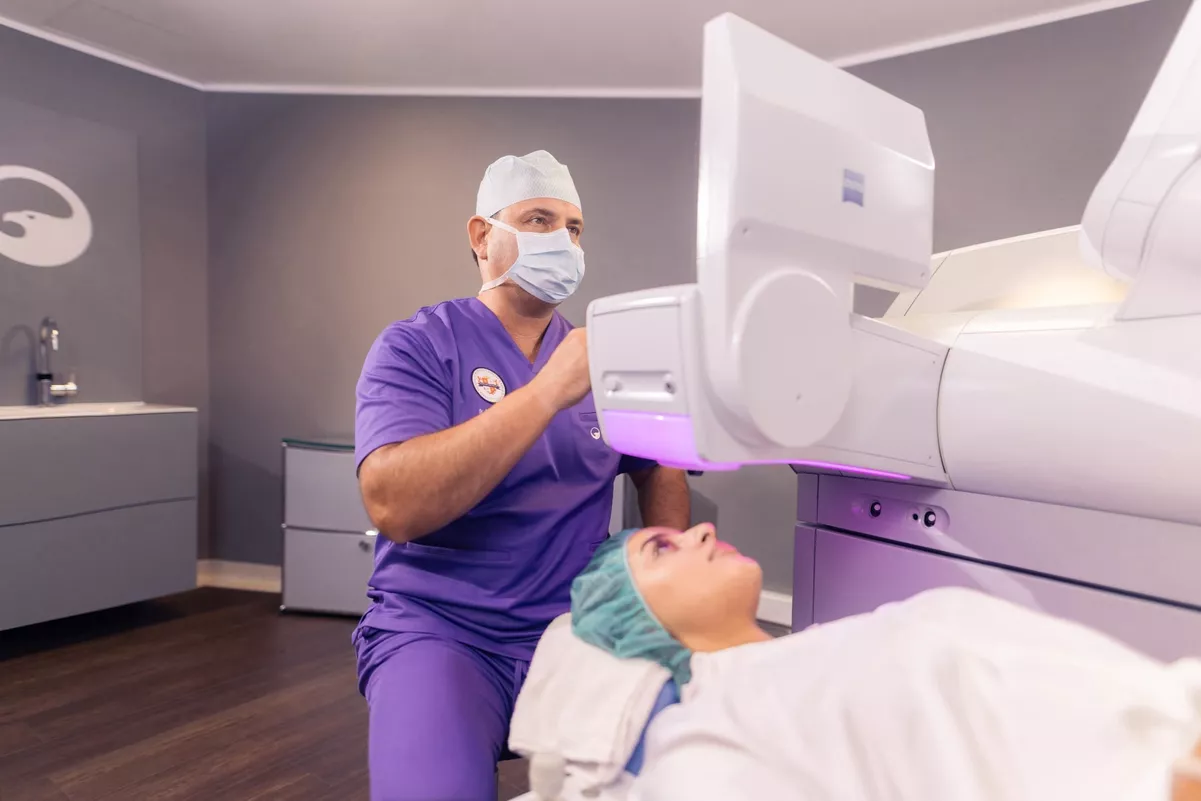
After the laser procedure, the laser arm moves upward to make room for the arm holding the Zeiss surgical microscope. The surgeon needs this to manually remove the lenticule. Finally, the surgeon can immediately check the surgical result by looking through the integrated slit lamp.
All the benefits at a glance:
- Faster—lenticular preparation in about 10 seconds, flap preparation in about 5 seconds
- Safer – thanks to intelligent robotic assistance systems
- More precise – by compensating for eye rotations (cyclotorsion) during astigmatism correction
- More comfortable – thanks to swiveling arms for the laser and the surgical microscope
Experiences
Here's what patients say about SMILE laser eye surgery

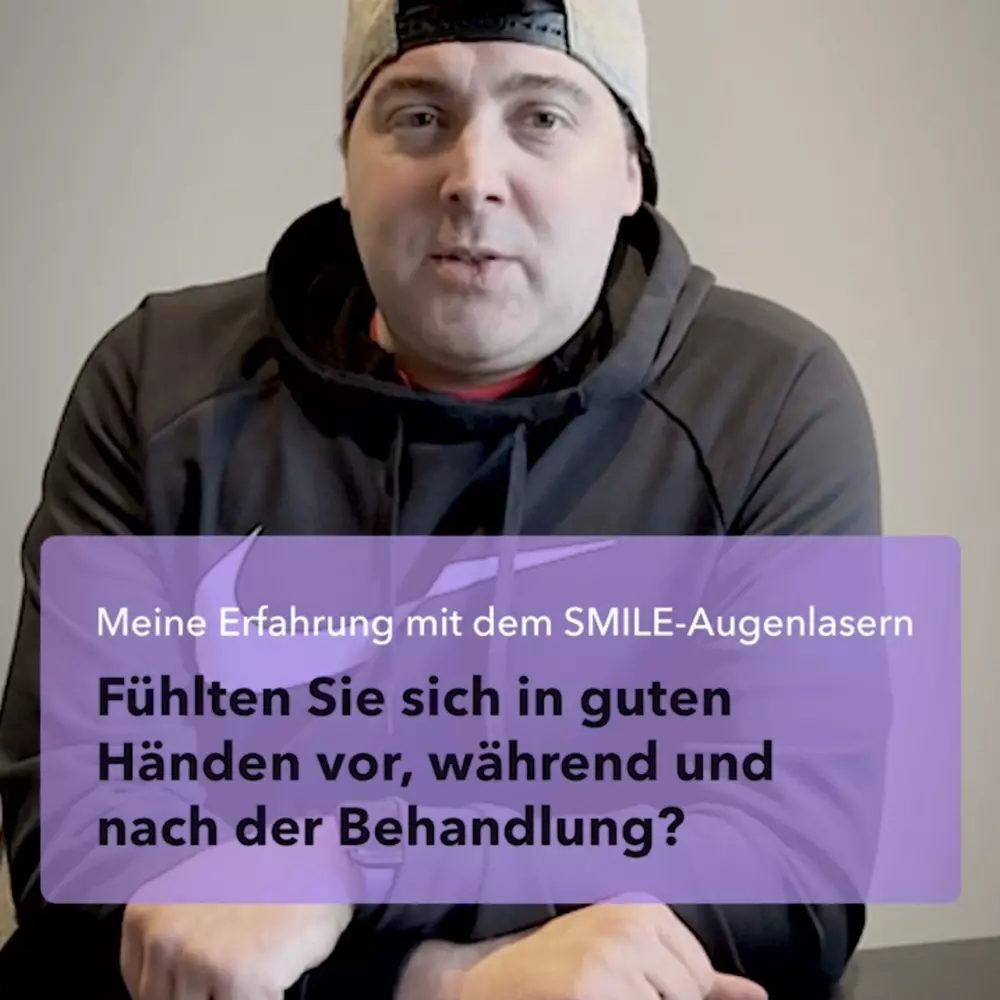
SMILE surgeries performed worldwide.
Dr. Breyer has performed SMILE surgeries.
Eye surgeons offer SMILE.
SMILE has been around ever since.
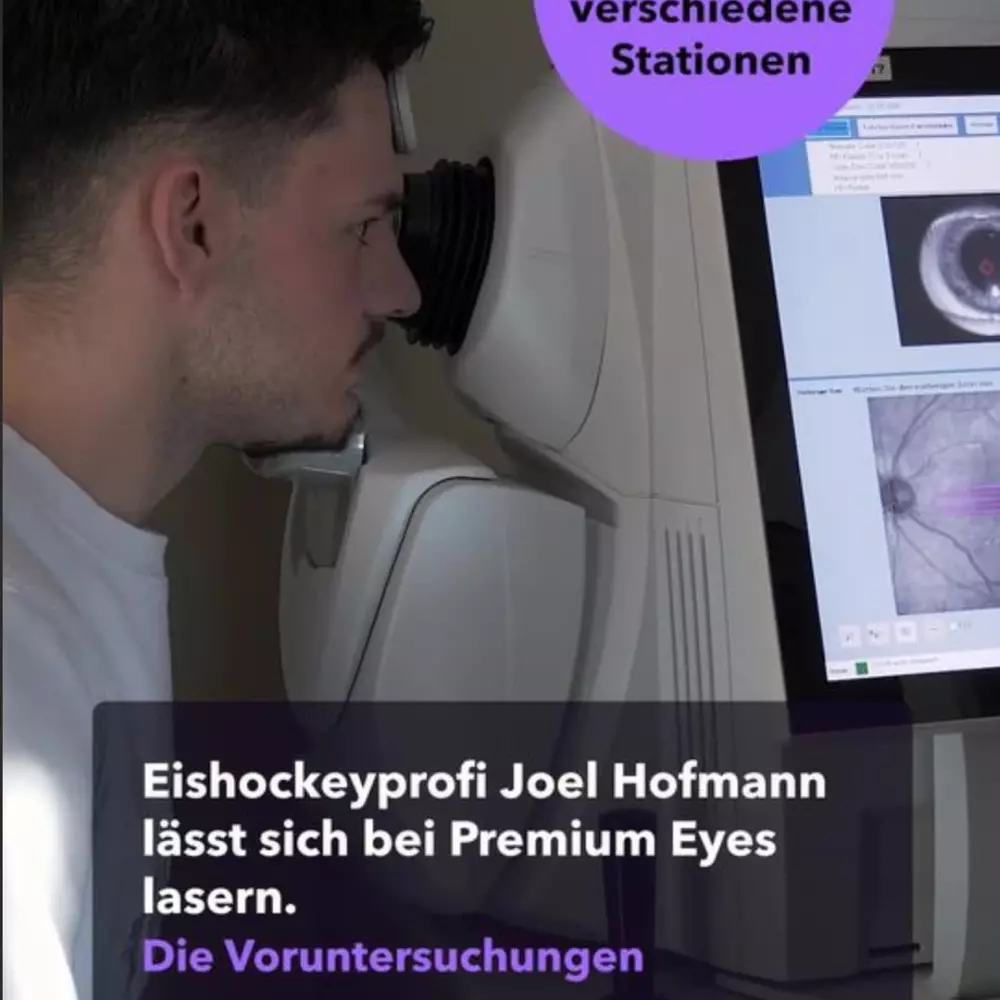
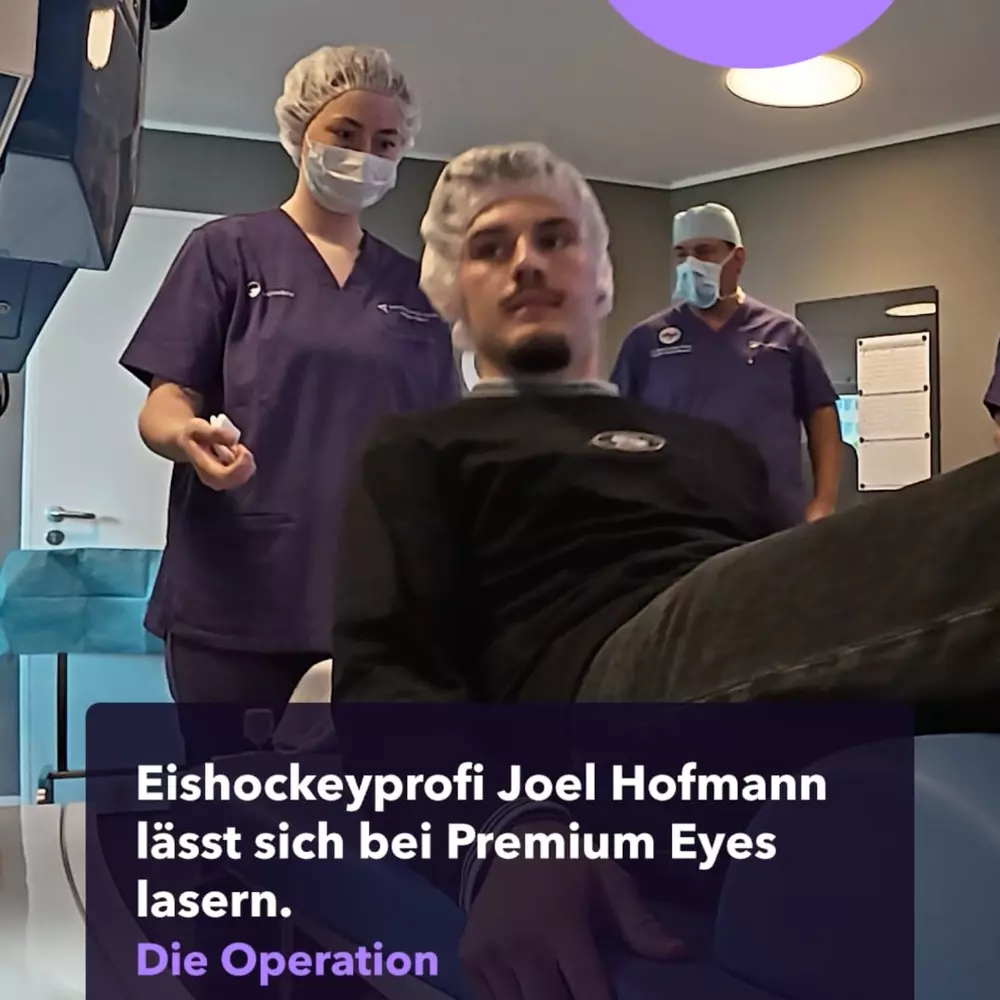
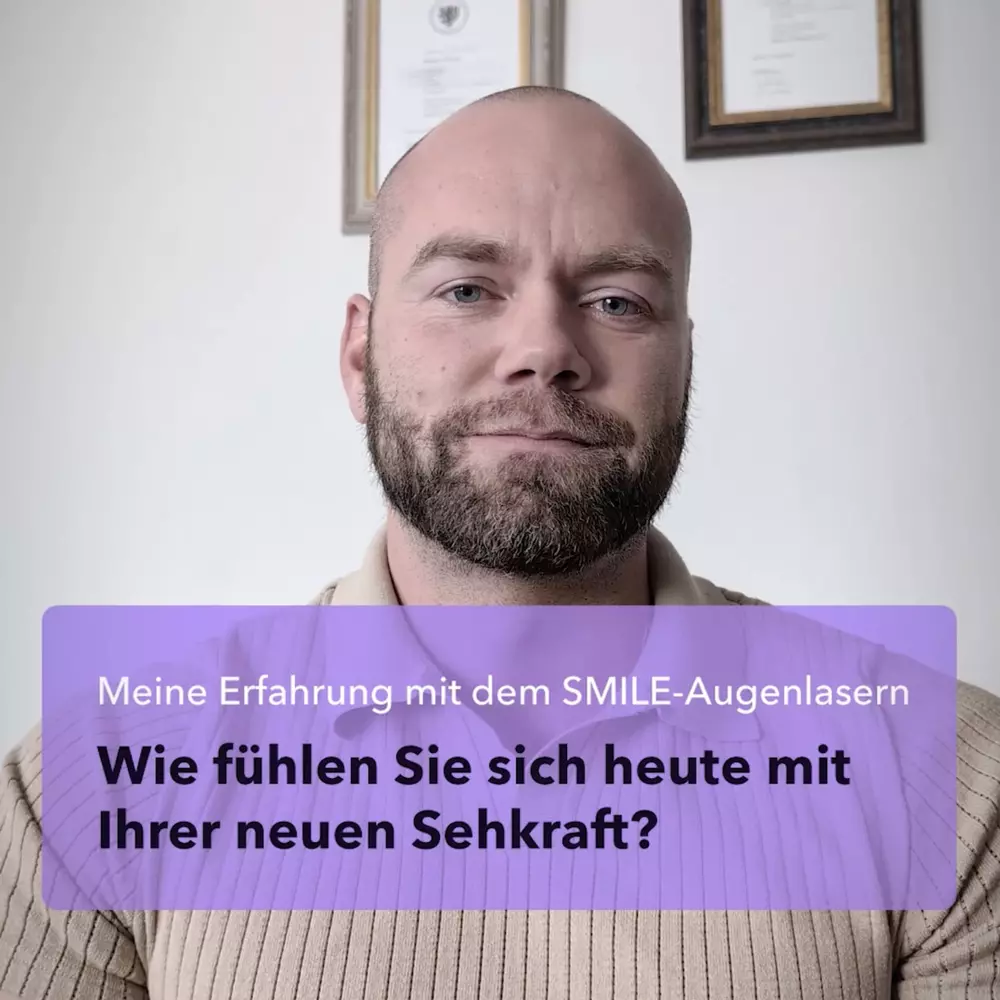
View the complete VU and OPThat was the best decision I've ever made.
Joel Hofmann, 2 months after his surgery
What would YOU like to do the day after your SMILE pro surgery?






If you’re interested in achieving the best possible vision without glasses, please feel free to schedule an appointment for a no-obligation initial consultation with a quick eye exam with Dr. Breyer, your laser eye surgery and lens specialist. You can easily book online through our appointment calendar or by phone. We look forward to hearing from you.
Schedule an appointment now
SMILE for High Myopia and Astigmatism
The research team led by Dan Reinstein conducted a prospective study involving 185 eyes from 113 patients to investigate the safety and efficacy of SMILE in cases of high myopia, i.e., up to a laser data entry of -14.00 dpt.
They measured the objective change in light disturbance using a so-called Light Disturbance Analyzer (LDA) and correlated these data with the results of a validated questionnaire on subjective quality of vision (QoV) in SMILE patients with high myopic astigmatism (nearsightedness with astigmatism). They found that the irregularity of the LDA best-fit circle increases in cases of high-myopic SMILE.
This interesting study on the surgical outcomes of SMILE laser eye surgery for high myopia demonstrates once again just how much scientific findings can differ from patients' subjective experiences.
Dr. Detlev R.H. Breyer
This change in the LDA parameters, however, showed only a weak correlation with the subjective visual quality metrics “halo” and “starburst,” reflecting the wide variation in perception among the study participants.1
A meta-analysis by Masters et al., published in the JCRS in 2017, showed that laser eye surgery is safer than wearing contact lenses for years.2
Dr. Detlev R.H. Breyer
More Patient Experiences with SMILE Laser Eye Surgery
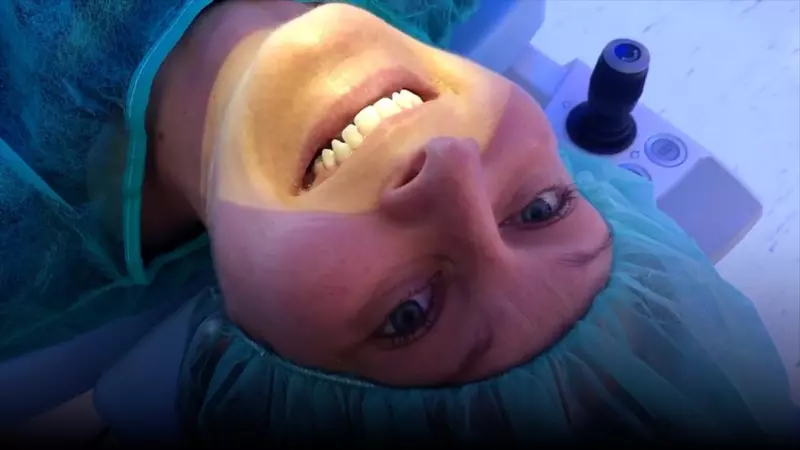
. Teske, 30 seconds after her ReLEx SMILE surgery.

Cherry M., London
M. Fleischmann, Carl Zeiss Meditec
Schedule an appointment for a
free initial consultation
Is SMILE just as precise and safe as LASIK or Femto-LASIK?
The precision of SMILE has since been demonstrated by numerous scientific studies, including a 10-year study presented by Prof. Blum and Prof. Sekundo in 2019. They found virtually no regression (deterioration) in visual quality even 10 years after SMILE surgery.3
In our own case series of 916 eyes, SMILE Pro on the VISMAX 800 demonstrated a high completion rate, rare intraoperative interruptions, a low retreatment rate, and rare, mostly mild postoperative complications.4
Dr. Detlev Breyer on a case series involving 916 eyes (June 2026)
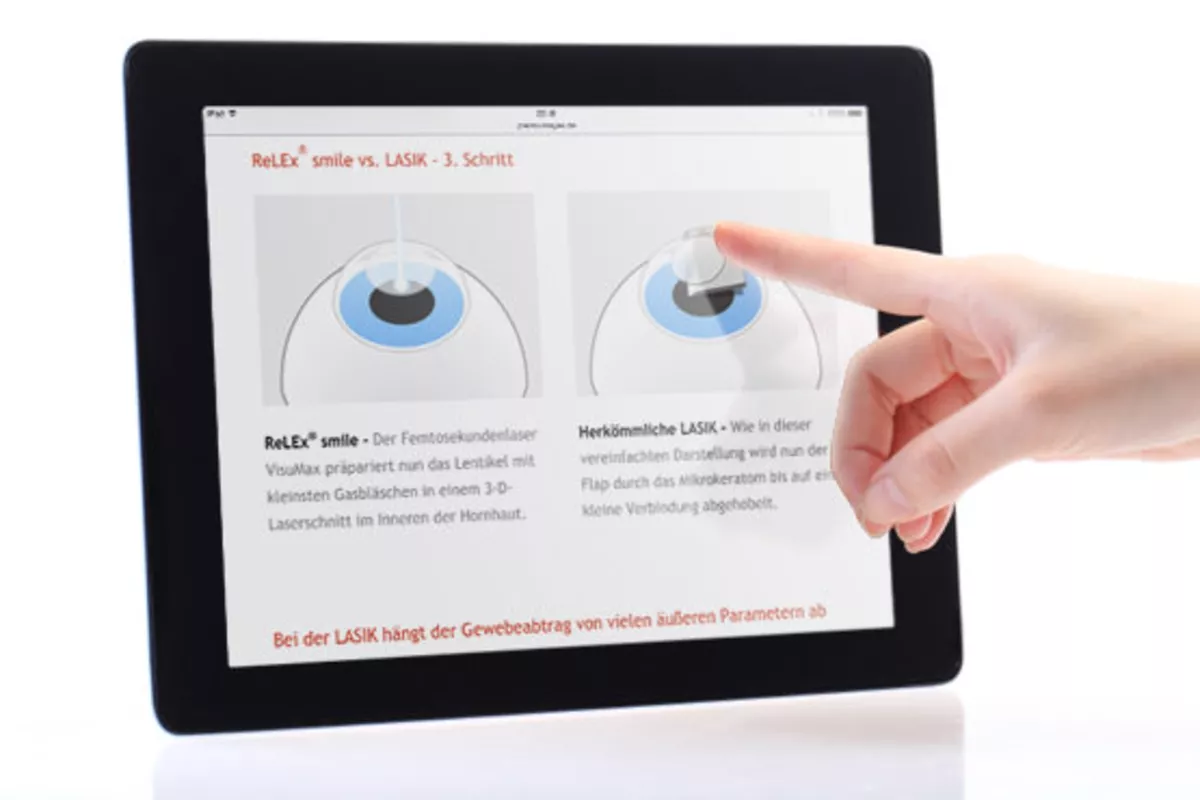
In terms of safety, SMILE is superior not only to LASIK but even to Femto-LASIK, since no flap is created. Side effects are reported significantly more frequently with LASIK. For this reason, we recommend the SMILE procedure to our patients whenever possible, as the benefits clearly outweigh the risks.
Is follow-up laser treatment possible after SMILE?
Yes, that is possible; as a general rule, we recommend the Femto-LASIK procedure for this. However, out of every 1,000 treatments we perform, only three result in less-than-optimal outcomes. Incidentally, this ratio can be significantly worse if you are treated by an inexperienced surgeon.
Dr. Breyer has already performed over 10,000 SMILE procedures and has been one of the first to use this technique since 2011. The importance of a thorough preoperative examination using state-of-the-art technology to identify risk factors should not be underestimated.

SMILE Pays Off in the Long Run
The high precision and safety of the SMILE procedure will save you money on glasses or contact lenses in the long run. And it does so without the flap-related side effects or complications associated with conventional laser procedures. Good to know: Thanks to comprehensive pre- and post-operative examinations and the experience of our surgeon, Dr. Breyer, your risks are minimized as much as possible. Your eyes are worth it.
- You save money on glasses and contact lenses
- No flap-related risks
- Safety ensured by experienced surgeons

Feedback
Patient Experiences with SMILE
You can find more testimonials from our patients about the SMILE and SMILE pro laser eye procedures here on this page.

Myths About Laser Eye Surgery
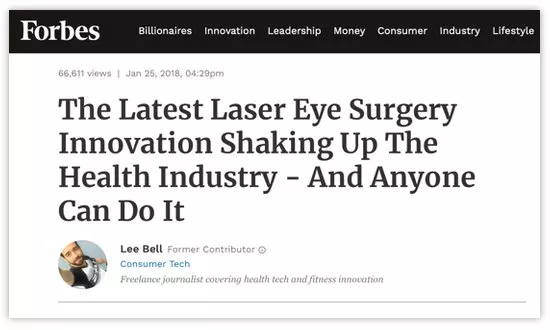
Journalist Lee Bell dispels misconceptions about laser eye surgery
Journalist Lee Bell writes for major magazines about innovative technologies in the healthcare and fitness sectors, and he is convinced that the SMILE laser eye surgery procedure will radically transform the market. In this English-language article, he cites 16 myths about laser eye surgery that are debunked by the SMILE procedure.
Frequently Asked Questions About SMILE Laser Eye Surgery
Laser eye surgery, such as the new SMILE pro procedure, can gently correct vision problems, allowing you to see more clearly again without glasses or contact lenses. Here you’ll find the most common questions from patients.
-
Laser eye surgery can generally correct nearsightedness up to -10 dpt, farsightedness from +1 to +5 dpt, and astigmatism up to 5 dpt. Some procedures can correct even greater degrees of refractive error. However, for safety reasons, we never perform laser surgery in borderline cases; instead, we would prefer to suggest alternative procedures, such as an ICL or IOL. After a thorough initial examination, we will then recommend one or more methods that are suitable for your eyes.
-
No. With the state-of-the-art VISUMAX 800 (ZEISS), laser eye surgery is completely painless. Thanks to local anesthetic eye drops, you’ll feel only slight pressure during the procedure. This sensation is roughly comparable to what you feel when you press lightly on your knee with your index finger. Even after laser eye surgery, most people generally experience no pain. Studies by Prof. Mehta show that all patients find the SMILE procedure more comfortable than Femto-LASIK.
-
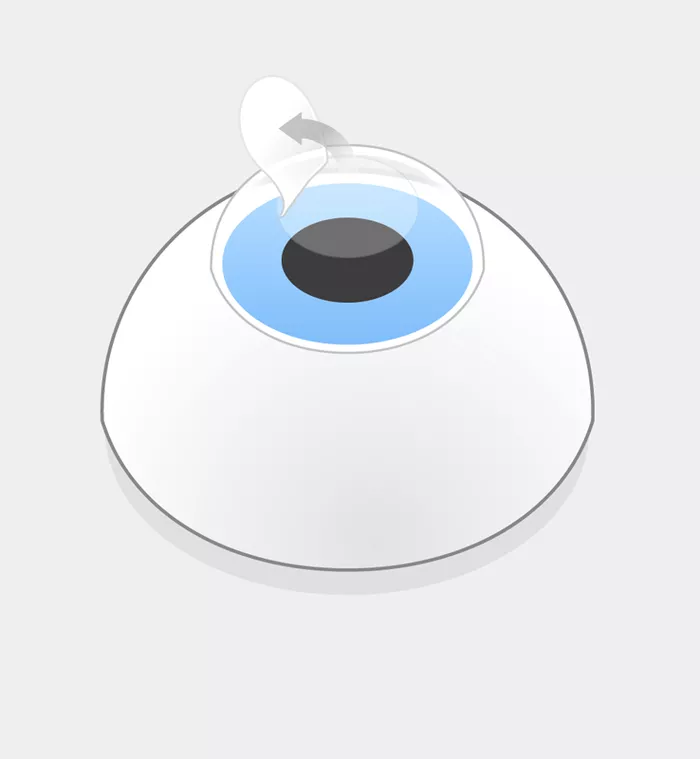
A corneal flap is created during LASIK or Femto-LASIK. The SMILE procedure is a flapless procedure, meaning it does not require a corneal flap. This is due to the fundamental differences between the procedures:
LASIK is an acronym and refers to the fact that vision correction takes place in a deeper layer of the cornea, the stroma. This is done using an excimer laser, which reshapes the cornea by vaporizing tissue to alter its refractive power. However, before this can happen, the overlying tissue in this area must be incised in a circular pattern and folded aside like a book cover. This corneal flap has an average diameter of 9 mm. The flap incision is approximately 20 mm long.
Because this flap incision also cuts through nerve tissue that controls the cornea’s blood supply, dry eyes or a foreign body sensation may occur temporarily or even for a longer period after LASIK. In most cases, these symptoms resolve on their own. However, incorrect incisions are also possible, which can lead to serious complications.
Flap-related side effects such as these do not occur with the SMILE or SMILE pro procedures because this laser eye surgery is performed exclusively with a femtosecond laser—specifically, the VISUMAX (Zeiss). This laser can cut precisely through the upper layers of the cornea into the interior of the cornea. There, a precisely calculated disc of corneal tissue is created, which the surgeon can remove through a minimal 2-mm incision to reshape the cornea in a way that corrects the vision defect. A flap is therefore no longer necessary. Incidentally, with the latest SMILE pro procedure, the laser procedure takes only about 10 seconds.
-
After laser eye surgery, we will examine you the day after the procedure. We will examine you again after one week and/or one month, if necessary.
-
With the new SMILE procedure, the laser treatment itself actually takes only about 10 seconds per eye. The surgeon then removes the lenticule created by the laser from inside the cornea. In total, it usually takes no longer than 10–15 minutes to treat both eyes.
-
A femtosecond laser is an infrared laser that emits ultrashort light pulses with durations in the femtosecond range: 1 fs = 10⁻¹⁵ s. Within a femtosecond, the laser light travels a distance of only 0.3 µm. That is one hundred times less than the diameter of a human hair. Since the first femtosecond laser was introduced into clinical practice in 2004, this technology has undergone continuous development. Initially, it was used in the field of laser eye surgery to create the corneal flap in Femto-LASIK. However, the subsequent correction was still performed using an excimer laser. In 2007, Zeiss introduced an eye laser procedure that was only possible with the VISUMAX 800, one of the most advanced femtosecond lasers: femtosecond laser lenticule extraction. This intermediate step eventually led to Small Incision Lenticule Extraction (ReLEx SMILE), which has been further improved. The current version is SMILE pro. You can learn more about it on the page about the VISUMAX 800.
-
Since dry eyes have historically been a complication caused by the flap incision in both LASIK and Femto-LASIK, they were considered a contraindication for laser eye surgery. The state-of-the-art SMILE pro procedure is a so-called keyhole procedure and does not require a flap incision. It can therefore also be used in patients with dry eyes. Incidentally, these patients are our happiest ones.
-
Many patients can achieve 100% visual acuity as early as the day after treatment. For some, it takes up to two weeks to reach maximum visual acuity.
-
As a general rule, presbyopia begins to become noticeable in everyone around the age of 45. This means that—sooner or later—you’ll need reading glasses to see clearly up close again. The reason for this is that the lens gradually loses its ability to focus on close objects (accommodation). This affects people with normal vision as well as those who have had laser eye surgery—SMILE surgery has nothing to do with it. However, after SMILE surgery, you’ll continue to benefit from your improved distance vision as long as your eyes remain healthy.
If you opt for a type of cross-correction or mild monovision during laser surgery, you can also maintain clear near vision without needing glasses. You can read more about this in the chapter on Laser Eye Surgery for Presbyopia.
-
Plastic pollution is one of the biggest environmental problems of our time. Did you know that contact lenses also contribute to this growing environmental problem? In Germany, approximately 5.5 percent of the population—that’s about 3.4 million people—currently wear contact lenses to avoid having to wear glasses, and that number is on the rise. This results in a correspondingly large volume of waste each year. Laser eye surgery could significantly reduce this plastic waste without requiring you to give up your freedom from glasses. The earlier in life the treatment is performed, the greater the effect.
Read more here about how laser eye surgery is more environmentally friendly than contact lenses