
Cataracts and Presbyopia
Multifocal lenses, EDoF lenses, and other premium lenses—custom-selected for you
If you’ve been diagnosed with cataracts or presbyopia, and laser eye surgery isn’t an option or isn’t desired, your vision can be significantly improved through the implantation of intraocular lenses (IOLs). There are multifocal lenses, EDoF lenses, and toric lenses for astigmatism. The type of lens you choose will have a major impact on your visual quality after lens surgery.
Schedule an initial consultation.

We provide personalized advice, because everyone needs intraocular lenses that are tailored to their eyes, their visual habits, and their personality. That is why we have been conducting scientific research into the optics and properties of premium lenses and multifocal lenses for over 15 years and, in collaboration with Prof. Dr. Auffarth of Heidelberg University and Prof. Dr. Schaeffel of the University of Tübingen, have contributed to the development of lens systems.
We have summarized this knowledge in our MI-LENS® strategy, through which we select lens implants tailored to your needs based on thorough preliminary examinations and consultations with you. Dr. Breyer has authored several publications and textbook chapters on this topic.
Types of Lenses
What types of lenses are available?
Replacement of the eye's natural lens is most commonly performed in older adults, when the natural lens has lost its flexibility and the eye can no longer focus, or when the lens has become cloudy (cataract) and vision is no longer clear.
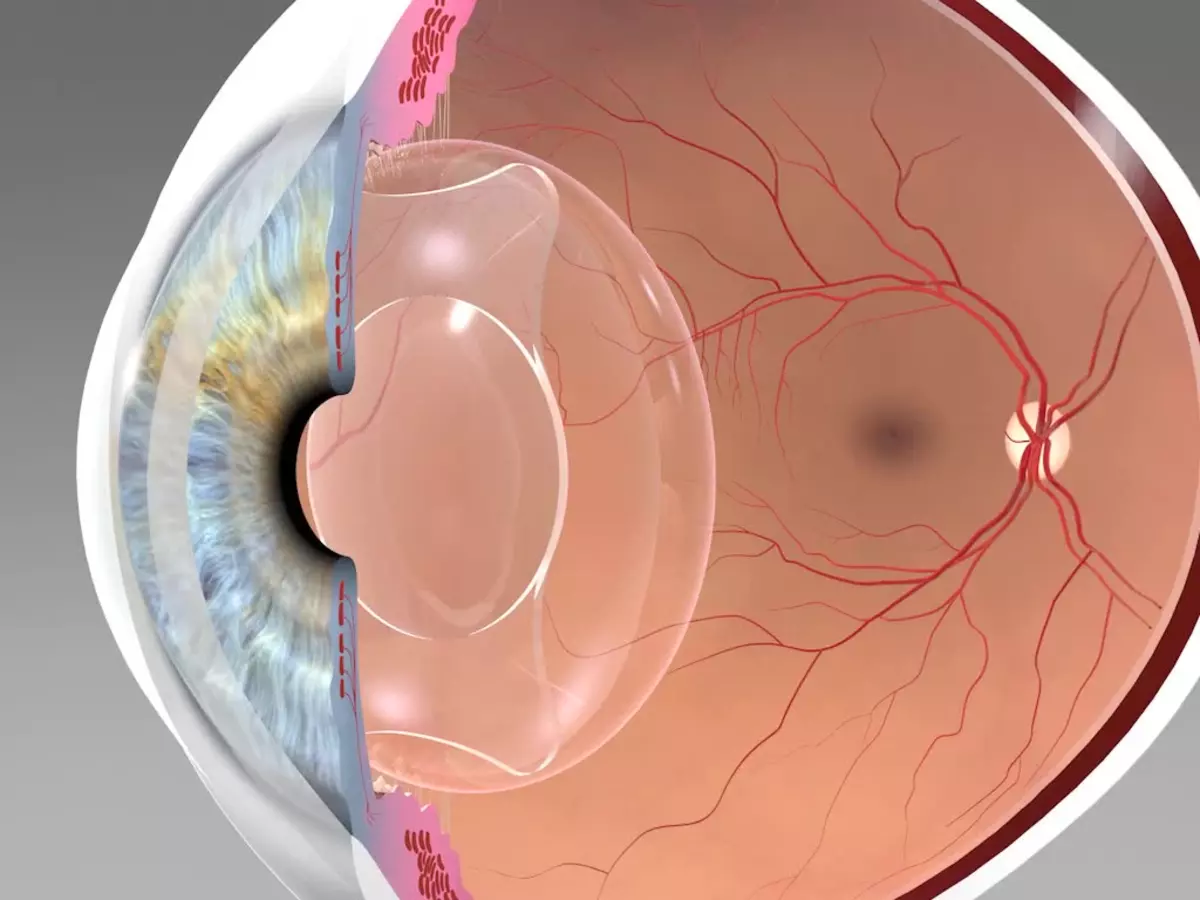
In this case, modern intraocular lenses—known as “premium” lenses—can be implanted. These lenses may have one or more focal points, such as multifocal lenses (also known as progressive lenses), which operate on different optical principles. If, for example, you have been wearing anti-reflective lenses and/or progressive lenses and are now planning to have an intraocular lens implanted, we recommend so-called HD lenses or aspheric lenses, which produce fewer halo and glare effects. If needed, these lenses are also available with blue light filters or as toric lenses. This is just one example among many.
So as you can see, there isn’t just one type of lens that fits everyone—there are many different types, optical principles, powers, and even possible combinations. Added to this is the fact that every eye has a different anatomy, or you may have another eye condition that affects the selection of the optimal lens for you.
Here we present a selection of the different types of lenses that we implant:
Multifocal lenses (multifocal lenses or MIOL)
Lenses with extended depth of focus (EDoF lenses)
Toric lenses for astigmatism
HD lenses (aspheric lenses)
Aberration-correcting lenses
Lenses for improved peripheral vision
Lenses with a violet light filter (yellow lenses)
Add-on lenses, also known as multifocal lenses
Lenses for nearsightedness
Lenses for use after eye injuries
What's valuable to you belongs in good hands
If you're interested in achieving the best possible vision without glasses, please feel free to schedule an appointment for a no-obligation initial consultation or preliminary examination with Dr. Breyer. You can do so by phone or online via doctolib.de. We'd also be happy to call you back. We look forward to hearing from you.
Schedule an appointment
Interview with Dr. Breyer
What are the benefits of multifocal intraocular lenses (MIOLs)?
Episode 12 of our interview series with Dr. Detlev Breyer and host Nina Ruge addresses the following questions: Who are multifocal lenses suitable for? What are the differences between them, and how are they actually implanted? The topic of presbyopia and reading glasses or progressive lenses is also discussed.
In this video, Dr. Breyer answers all the important questions that patients considering this type of surgery might have. It’s also a great place to start if you no longer want to wear your reading or progressive lenses.
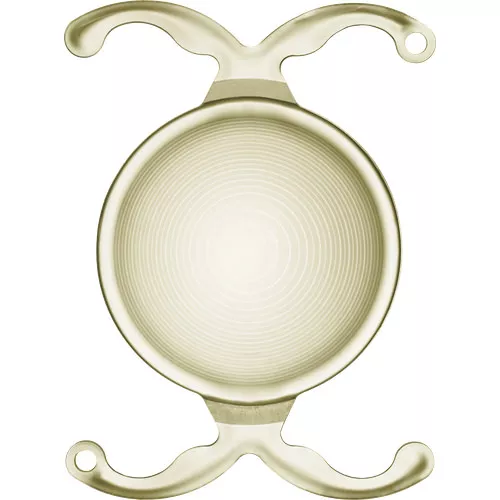
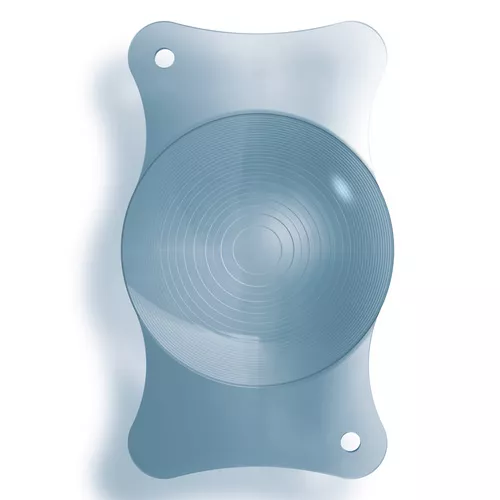
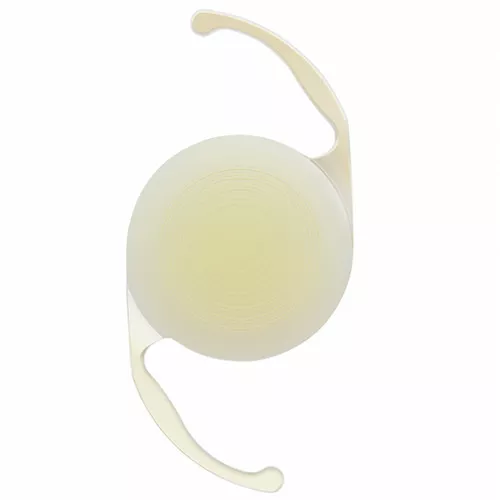
The RayOne Galaxy is also a premium non-diffractive lens, but with innovative spiral optics. This creates a continuous visual range with smooth transitions from near to far vision. In his lectures, Dr. Breyer has classified it as a refractive multifocal lens. Its advantages over a diffractive trifocal lens include:
less glare, halos, and glare
no loss of light
above-average contrast sensitivity
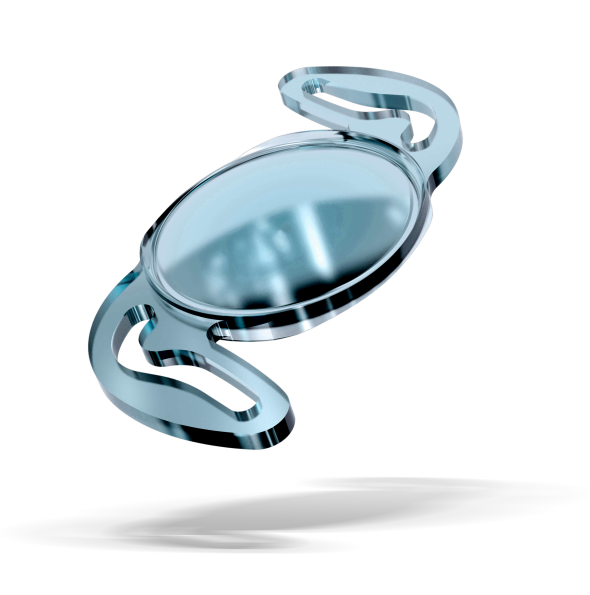
The new LuxLife™ IOL (Bausch & Lomb) is what is known as a full-range-of-vision intraocular lens. Its optics are based on the PRO (Pure Refractive Optics) technology of the LuxSmart™ EDOF IOL, which features a fully refractive design. What makes this lens unique is its extended depth of focus across all visual ranges—similar to the RayOne Galaxy lens.
The LuxLife offers sharp vision from near to far. However, thanks to its refractive optical design, it is associated with fewer side effects.
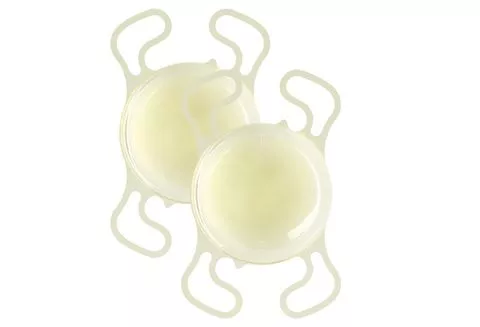
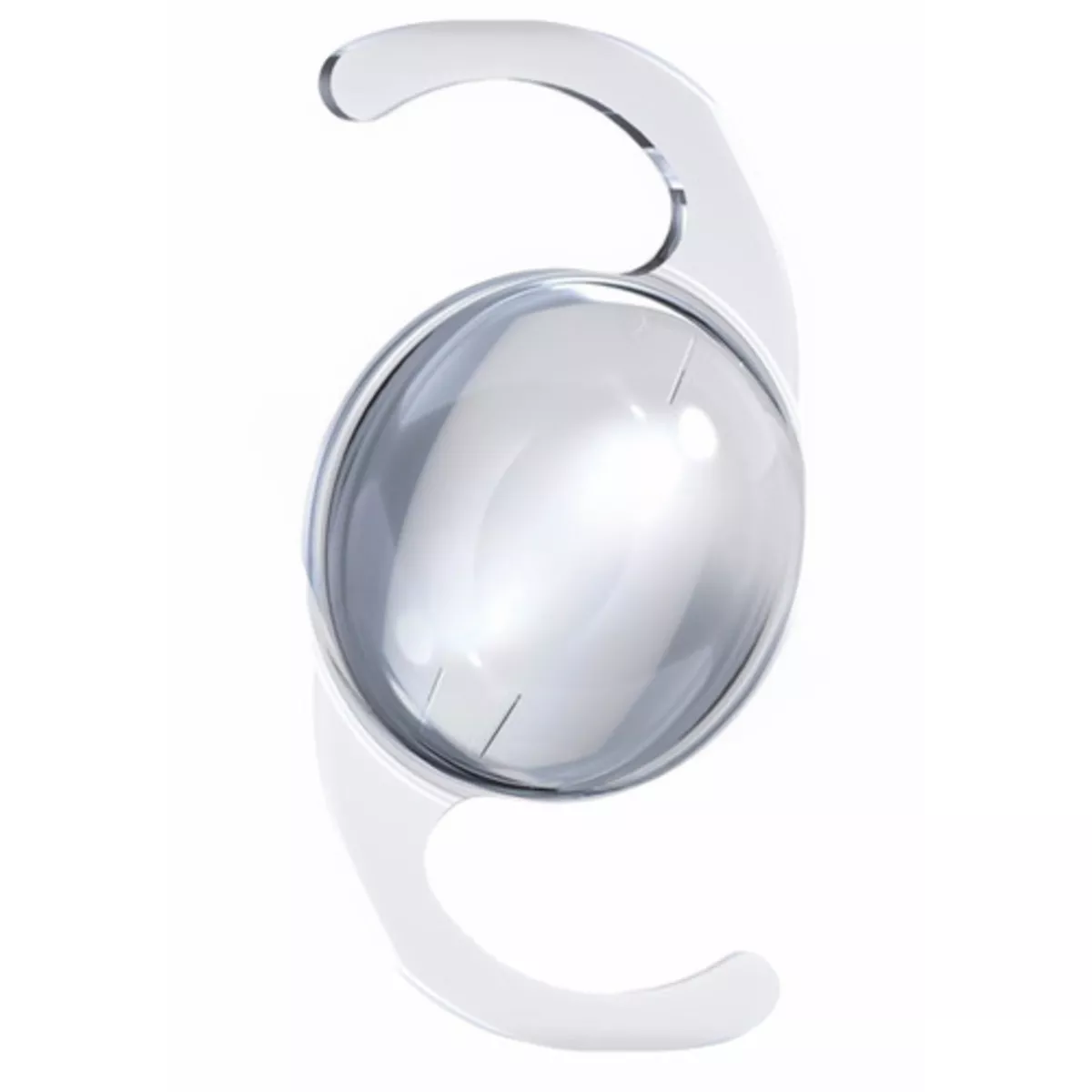
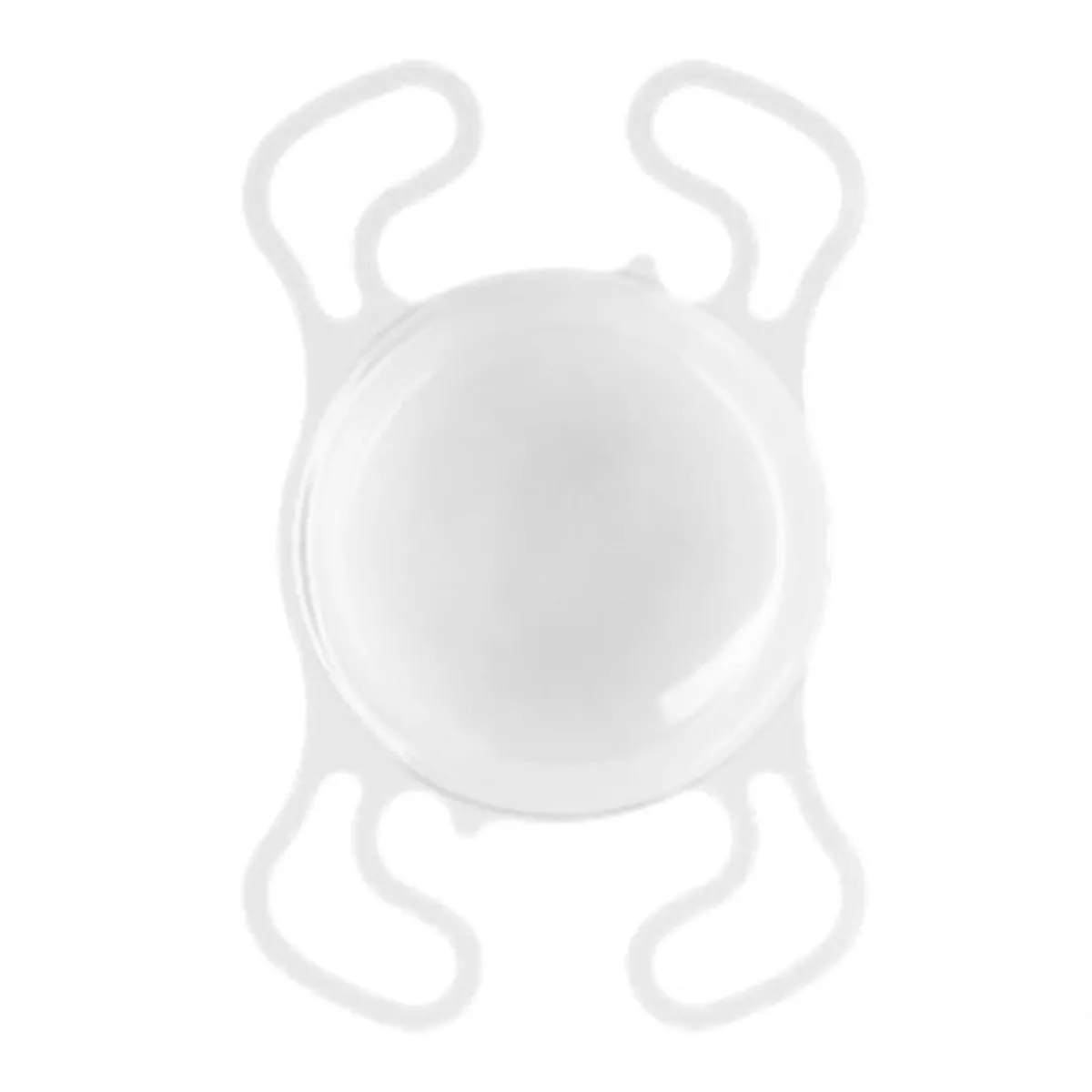
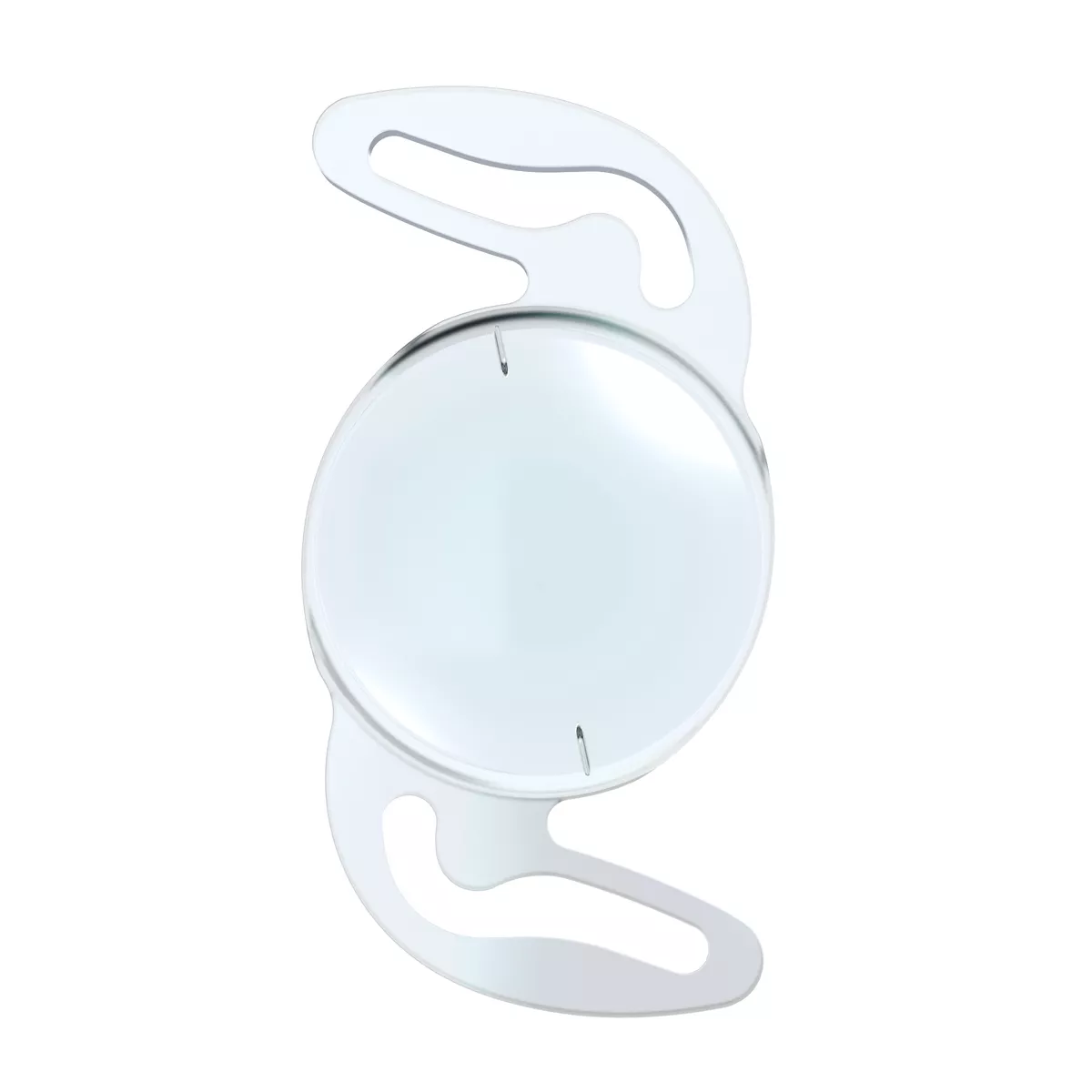
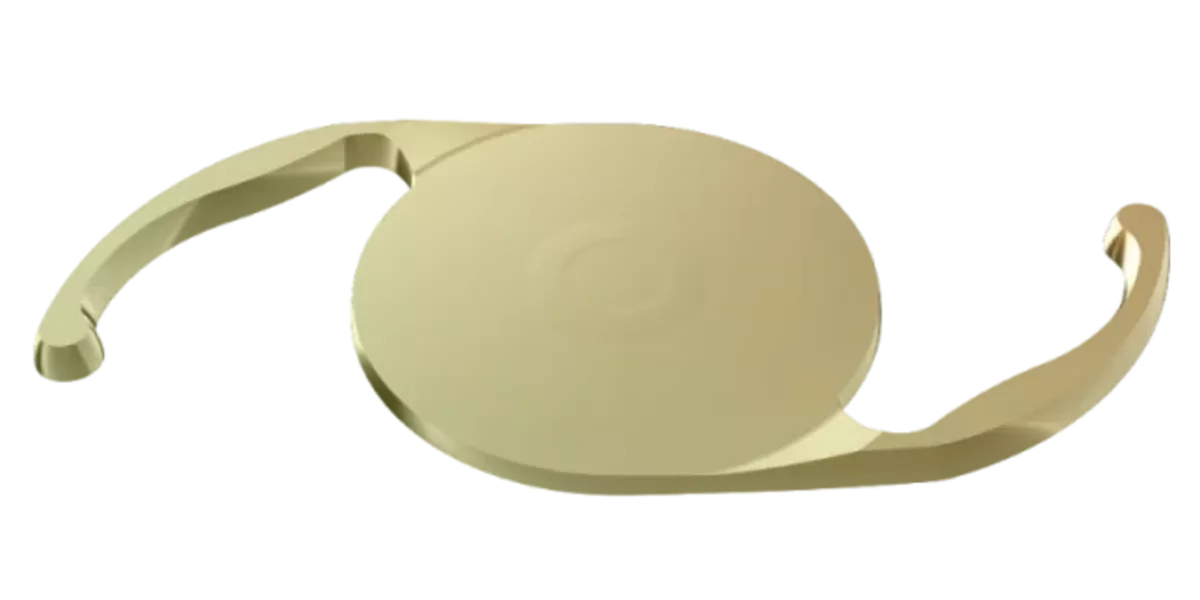
The optical design of the AcrySof IQ Vivity IOL utilizes what is known as wavefront-modulating technology, also called X-Wave™. This technology consists of two elements that are barely visible to the naked eye:
a slightly raised plateau that stretches the wavefront and creates a continuous visual zone.
a minimal change in curvature over a 2.2-mm range, which shifts the wavefront. This allows all of the light energy to be utilized—just as with a monofocal lens.
Its visual side effects are greatly reduced and roughly comparable to those of a monofocal lens.

What other factors are taken into account when selecting lenses?
When selecting lens models, we take into account not only medical factors but also your personal vision needs—for example, at what distances you’d like to get by without glasses as much as possible, and what you expect from your lenses, such as in your daily life, during sports, or at work:2
Natural, high-contrast distance vision, such as while driving, playing sports, at work, or on vacation
Vision at intermediate distances, such as at a computer or laptop, in a restaurant, while driving, at an exhibition, at home while cooking, and during fitness training
Reading small print, such as price tags or product information; depending on font size and lighting conditions, this may also include the menu or your smartphone at a restaurant
Clear vision at dusk or at night without distracting glare, e.g., while driving
In addition, there are special lenses designed for people with pre-existing conditions. We’d be happy to advise you on which lenses are right for you.
Information on Premium Lenses and Specialty Lenses
Information on Multifocal Lenses and EDoF Lenses
Feedback
Our patients share their experiences with multifocal lenses
Read the testimonials here from other patients who had premium lenses or multifocal lenses implanted by Dr. Breyer.
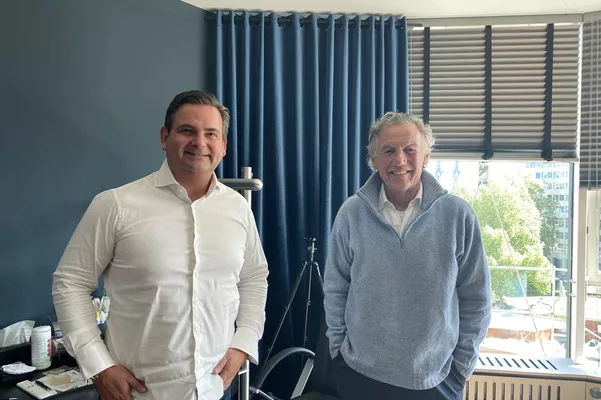
Incidentally, Dr. Detlev Breyer was the first person in the world to implant a toric multifocal lens through a micro-incision measuring just 1.6 mm. He performed this surgery live in 2008 at the congress of the European Society of Cataract and Refractive Surgery.
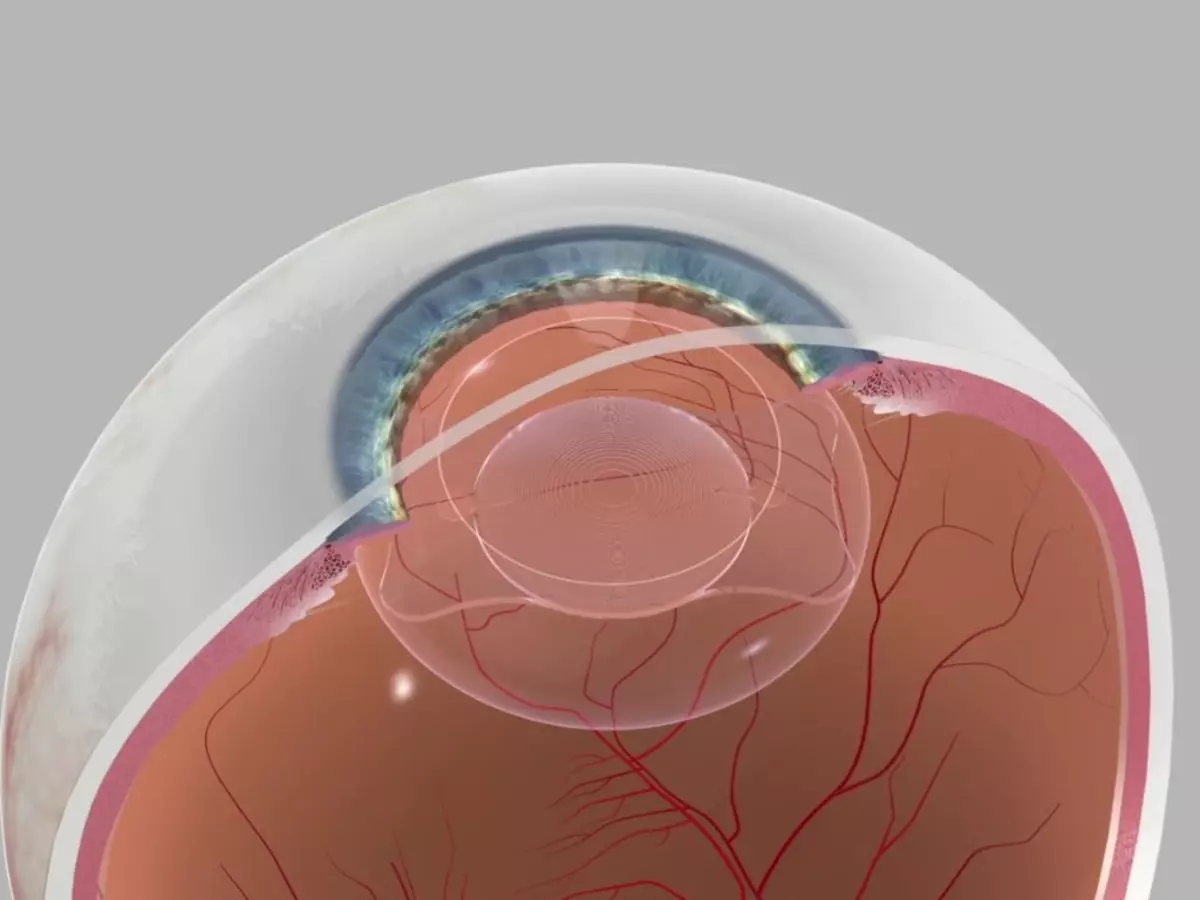
Does an accurate diagnosis affect the visual outcome?
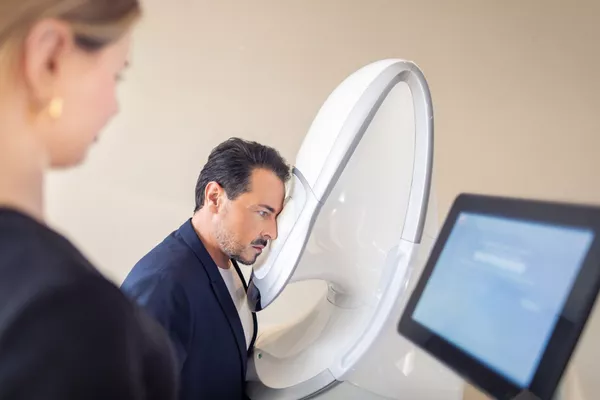
The IOLMaster 700 provides us with improved diagnostic capabilities for calculating toric lenses. As part of the preoperative examination, a corneal measurement (keratometry) is performed and a reference image of the eye is captured. This image, along with the keratometry data, is then digitally transmitted. During surgery, the image is aligned with the live image, and the necessary data is projected into the eyepiece of the ZEISS surgical microscope. This technique allows for markerless alignment of a toric lens.

Schedule an appointment now
If you’re interested in achieving the best possible vision without reading glasses or progressive lenses, please feel free to schedule an appointment for a no-obligation initial consultation or preliminary examination with Dr. Breyer. You can do so by phone, email, or online here on our website. We’d also be happy to call you back. We look forward to hearing from you.
Schedule an appointment for a no-obligation initial consultation.
Laser lens
FEMTIS – The Lens for Laser Surgery
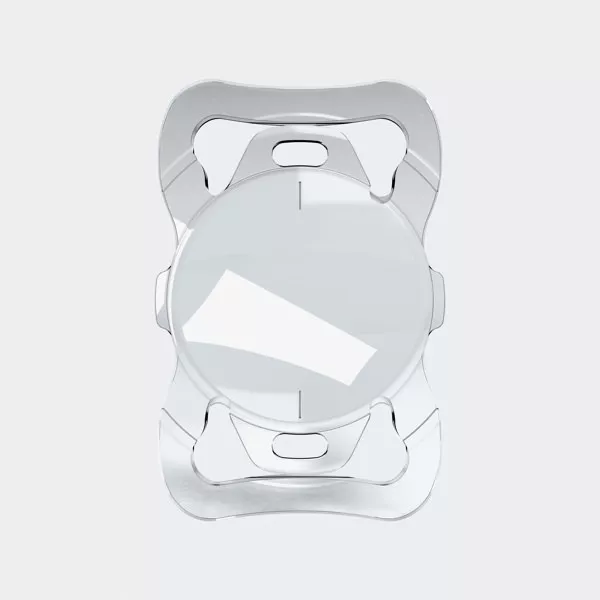
Unlike in manual cataract surgery, the femtosecond laser can be used to cut perfectly circular openings in the capsular bag, which contains the natural lens and into which the artificial lens is implanted. The FEMTIS, a specialized laser lens, features so-called haptics that can be attached to the anterior outer capsular opening. This ensures that the lens remains exactly where it is supposed to be. However, this design requires a bit more dexterity and experience on the part of the surgeon. In their own study, Dr. Breyer and his colleagues have achieved promising results with the lens so far.4
Can lenses with a violet light filter prevent macular diseases?
Although the macula—the area of sharpest vision—is normally protected from harmful violet light, this protective mechanism is weakened, especially in older adults. This can lead to damage to the retina. This lens therefore offers macular protection and is our first choice if your macula is already damaged. It also provides excellent contrast and color vision and is well-suited for people who suffer from severe sensitivity to glare or diabetes mellitus. According to a recent study, vision quality after lens surgery is actually better if the lens filters out only violet light and not blue light as well.
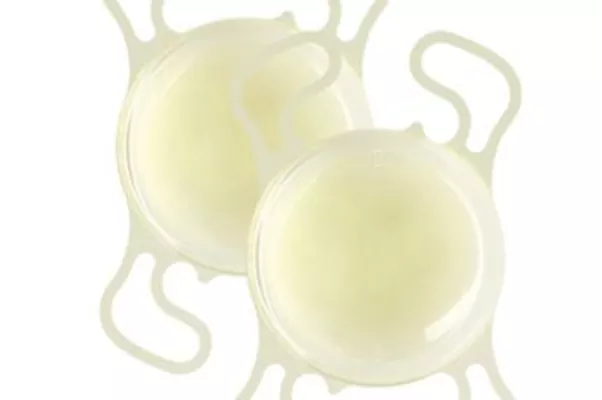
Lenses that correct for aberrations can shorten the stopping distance
This lens is a high-performance lens (HD lens) that combines perfect visual acuity with the best possible contrast and realistic color perception. By correcting optical errors (aberrations) that can be caused by artificial lenses, it improves visual perception, especially at dusk or in difficult weather conditions. According to studies, it can shorten braking distances while driving and enhance the enjoyment of art when viewing images, and this lens also performs exceptionally well during sports.
In addition to the aberrations caused by the lenses, there are also aberrations attributable to the eye’s optics. These so-called higher-order aberrations can be detected through aberrometry. Based on these measurement results, custom-made lenses can be produced to correct these minor errors.
When selecting premium lenses, the focus has traditionally been on visual quality in the area where we focus. However, we also unconsciously perceive movement in our peripheral vision or, for example, when something is approaching. For some people or certain occupational groups, peripheral vision plays a more important role than for others. For them, a new intraocular lens could be particularly helpful.
Your Benefits
Extended depth of field tailored to your individual needs
Reduced astigmatism and improved field curvature
Improved contrast perception
No light or glare effects (halo and glare)
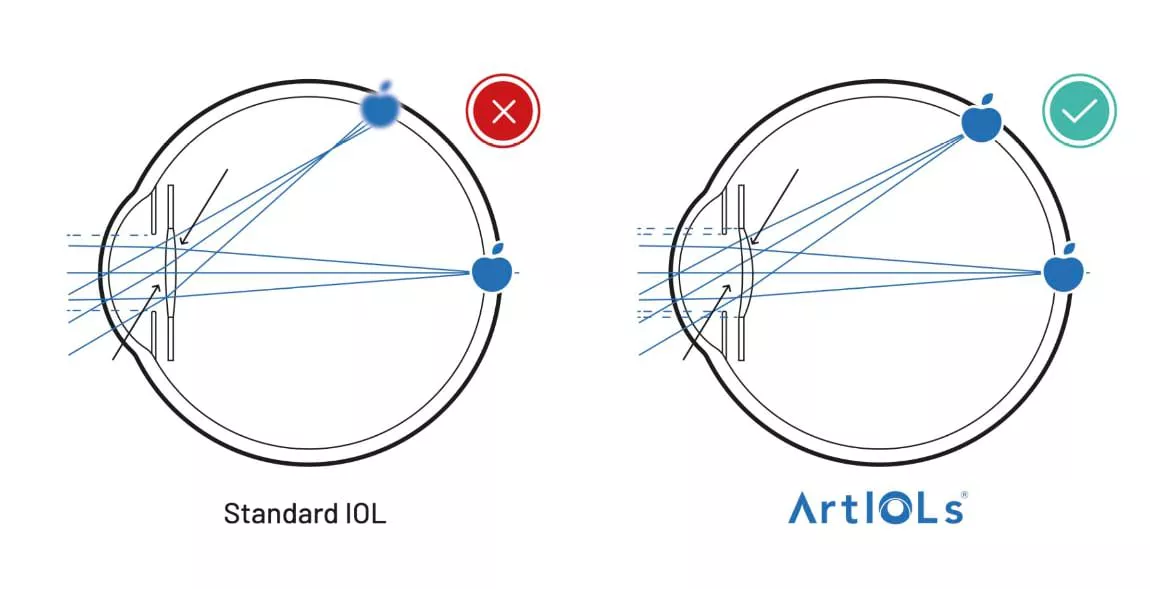
The meniscus shape of ArtIOLs is modeled after the natural lens to achieve optimized field curvature for improved peripheral vision. These lenses are also suitable for people with retinal disorders and are recommended if you are sensitive to light effects.
after lens replacement
Add-on lenses: Have you already had cataract surgery and are you dissatisfied with your vision?
After replacing the natural lens with an intraocular lens (IOL) during cataract surgery or to correct very severe farsightedness, nearsightedness, or astigmatism (corneal curvature), refractive errors may remain that still require the use of glasses for certain viewing distances. One reason for this is that the distance between the artificial lens and the cornea cannot be predicted with exact precision—despite extensive preoperative diagnostics, improved surgical methods, and high precision in the manufacture of artificial lenses. The add-on lens is implanted into the eye in addition to the intraocular lens to correct existing refractive errors. For example, if the implanted IOL corrects distance vision but glasses are still needed for near and intermediate vision. In this case, the add-on lens is implanted in front of the IOL four to six weeks after the initial surgery to achieve glasses-free vision at near and intermediate distances; wearing glasses might then be necessary only for specific tasks, such as working on a computer.
An add-on lens can be implanted even years after the initial IOL implantation if the IOL is no longer sufficient due to the natural progression of the refractive error. A later replacement of the add-on lens can also be performed easily and minimally invasively.
There are additional advantages to using an add-on lens as an alternative to IOL replacement:
- The insertion of an add-on lens is more precise because the exact position and refractive power are easier to calculate than when replacing the IOL within the capsular bag.
- The procedure is less invasive for the patient when an add-on lens is inserted, since the capsular bag does not need to be reopened, unlike during an IOL replacement.
Two lenses for correcting severe refractive errors
In addition to fine-tuning, the add-on lens can be used to enhance the effect of the intraocular lens when correcting severe refractive errors. This is useful when the main lens alone would be too weak to correct, for example, severe hyperopia (farsightedness). In these cases as well, the add-on lens is implanted four to six weeks after the main lens. Furthermore, combining an IOL with an add-on lens can be a suitable solution in other cases as well, since two lenses with lower power have a total thickness that is less than that of a single lens with higher power.
Cataracts in Children
The use of an add-on lens is also recommended in pediatric cataract surgery, as children’s refraction changes as they grow. The add-on lens can be updated without having to replace the intraocular lens in the capsular bag.
The Overlap Visual Acuity / Düsseldorf Scheme
The “Überblendvisus” method, based on the Düsseldorf protocol, was developed by Dr. Breyer in 2014, recognized by European eye surgeons in 2016, and has gained widespread international popularity. “Überblendvisus,” known in English as “Blended Vision,” refers to a treatment that aims to eliminate the need for glasses by optimizing the distance-dominant eye for sharp distance vision and the near-dominant eye for near vision—at intermediate distances, both eyes see a sharp image.

Schedule an appointment now
If you’re interested in achieving the best possible vision without reading glasses or progressive lenses, please feel free to schedule an appointment for a no-obligation initial consultation or preliminary examination with Dr. Breyer. You can do so by phone, email, or online here on our website. We’d also be happy to call you back. We look forward to hearing from you.
Schedule an appointment for a no-obligation initial consultation.


Frequently Asked Questions
-
With over 70,000 surgeries and more than 25 years of experience, this has never happened to us. Since intraocular lenses are made of biocompatible material, rejection by the immune system is not possible in that sense either. However, side effects and complications can always occur in medicine, and we will explain all of them to you during the preoperative consultation before your cataract surgery.
-
Side effects may include halos and glare. In most patients, these symptoms return to normal levels after an adjustment period, which can vary in length. This process is called neural adaptation. However, for those who frequently drive at night or who have already experienced discomfort from glare in middle age, we recommend what is known as “anti-glare vision,” which involves combining different EDOF lenses.
-
We cannot make a recommendation, as everyone is different. If nighttime glare (halos and glare) does not bother you and reading small print is important to you, trifocal lenses might be an option for you. Otherwise, we recommend the Düsseldorf scheme.
-
Photographers like to play with lighting effects, such as lens flare: It occurs when a light source is reflected by one or more of a camera’s lenses, leaving bright spots in the image. — Or a glow around a light source, a halo. A solar halo, caused by the refraction of light by water droplets or ice crystals in the air, is particularly spectacular. This, too, exists only in the eye of the beholder or when looking at the sun through a camera lens.

Lens Flare
In contrast, glare—caused by a cloudy or improperly focused lens—is a nuisance. It scatters and reflects light. As a result, lights at night no longer appear as points but as light sources with a glow. Since the lens of the human eye becomes inflexible and cloudy with age, many people are familiar with this or similar light phenomena. These issues can usually be resolved by replacing the natural lens. However, the choice of an artificial lens requires careful consideration. Our advice: If you’re planning such a surgery and frequently drive at night, you should be prepared to make some compromises when it comes to reading fine print. Based on our MI-LENS® concept for individualized lens selection, we’ll help you minimize distracting glare as much as possible.

Hier sind die Lichthöfe um Lichtquellen herum gut sichtbar.
Good to know: We implant lenses from many different manufacturers and can independently select and implant the best lens for you.
-
Since most—but not all—multifocal lenses have a diffractive optical design that splits the light, it is physically and optically unavoidable: reading in dim light becomes more difficult and driving through tunnels more tiring, as contrast sensitivity decreases under these conditions. Refractive lenses or those with a low near-add, however, show little to no such effect. We show our patients our scientific findings using visual charts before surgery so that they know exactly what to expect. We want you to know exactly what your vision will be like after surgery. To this end, we have developed our MI-LENS concept for individualized lens selection. To increase satisfaction with multifocal lenses, Dr. Breyer has also devised the Düsseldorf Scheme.
-
When choosing multifocal lenses, it’s important to be aware that glasses may still be necessary in some situations—for example, when driving at night or reading for extended periods in low light. For the vast majority of everyday situations, however, glasses are no longer needed. “Vision perfectionists” are better served by other premium lenses.
-
With the new generation of multifocal lenses, over 90 percent of our patients no longer need glasses for reading or for seeing things at a distance. This means they are no longer dependent on glasses. Unfortunately, it is not possible in medicine to promise complete freedom from glasses.
-
When patients have been thoroughly informed about how multifocal lenses work and their lenses have been selected specifically for them, their satisfaction is particularly high. That is why we place the utmost importance on both of these factors.
Our expert presentations on personalized lens selection and premium lenses




Costs
Our Fair Prices
Implantation of a monofocal intraocular lens (IOL)
Includes an initial consultation and preoperative examination, lens implantation, and 3 follow-up visits—plus anesthesia and, if necessary, laser treatment during laser lens exchange
Implantation of a multifocal intraocular lens (MIOL)
Includes an initial consultation and preoperative examination, lens implantation, and 3 follow-up visits—plus anesthesia and, if necessary, laser treatment during laser lens exchange
Implantation of a multifocal add-on lens
Includes an initial consultation and preoperative examination, lens implantation, and 3 follow-up visits—plus anesthesia and, if necessary, laser treatment during laser lens exchange
* The initial consultation is non-binding and free of charge. The fee for lens implantation is based on the German Scale of Medical Fees (GOÄ). More specific information on this can only be provided after a preliminary examination. Depending on the actual time and effort involved, the final bill may differ from this estimate. The GOÄ does not allow for any other method of pricing. In the vast majority of cases, however, we have been able to adhere to the fees listed above. We’d be happy to discuss with you, following an initial examination, which treatment is suitable for you personally and what approximate costs you can expect.
** Monthly costs for a 24-month term with no down payment.
By the way: Under certain circumstances, the costs of laser eye surgery or intraocular lens procedures may be tax-deductible as an extraordinary expense under Section 33 of the German Income Tax Act (EStG) without the need to submit a medical certificate from a public health officer.