
Laser Eye Surgery
Non-Contact Laser Eye Surgery with TransPRK and SmartSurfACE
Trans PRK (trans-epithelial photorefractive keratectomy) is a more precise advancement of traditional PRK surface treatments. What makes it special is that it is performed exclusively with an excimer laser. The laser first removes the outermost layer of the cornea (the epithelium) and then immediately performs the vision correction in the corneal stroma. For this laser eye surgery procedure, we use the SCHWIND Amaris 1050RS, the world’s fastest excimer laser—made in Germany.

The Schwind Amaris is the only laser that combines TransPRK with SmartSurfACE technology. This technology achieves a particularly smooth corneal ablation and, as a result, even better visual outcomes—all at a reasonable price. The technology can also be used for laser eye surgery to correct presbyopia using the Presby EDOF DUS formula. —Incidentally, that’s the option Dr. Breyer chose.
Schedule
an appointment for a free initial consultation.
Procedure
Here's how TransPRK with SmartSurfACE works—pain-free and non-contact
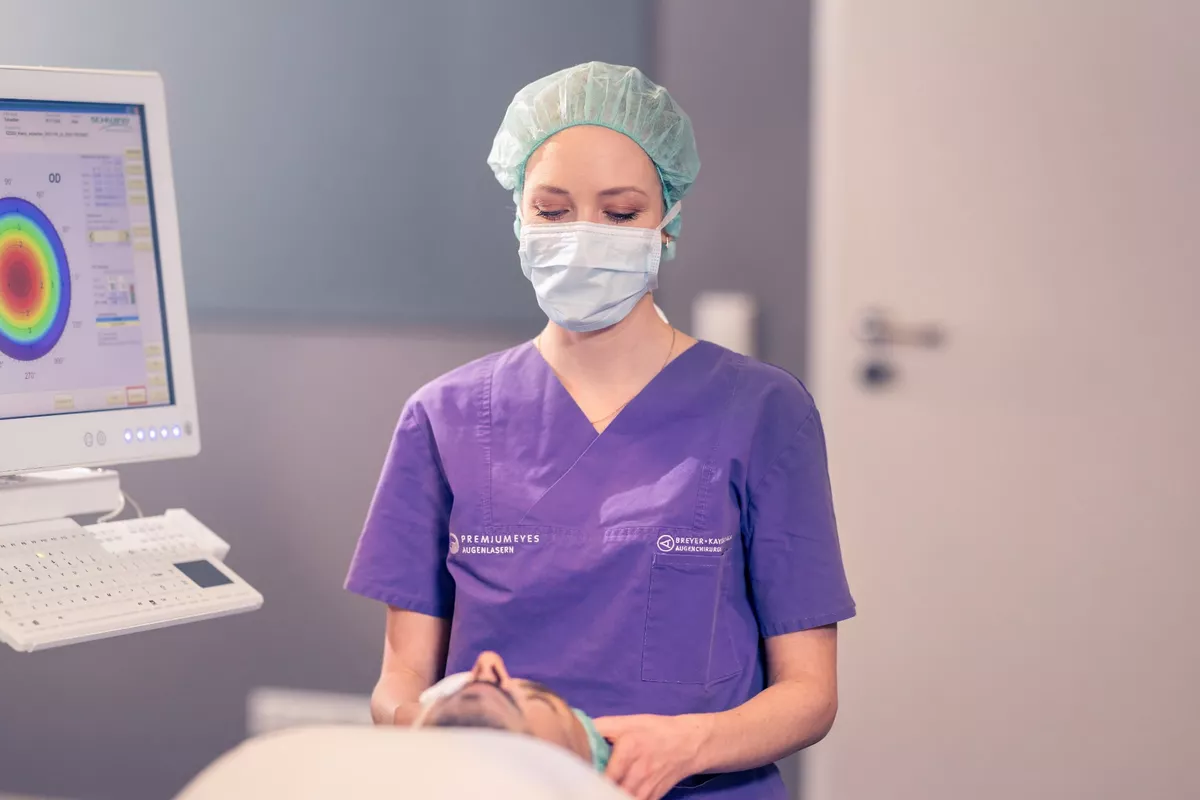
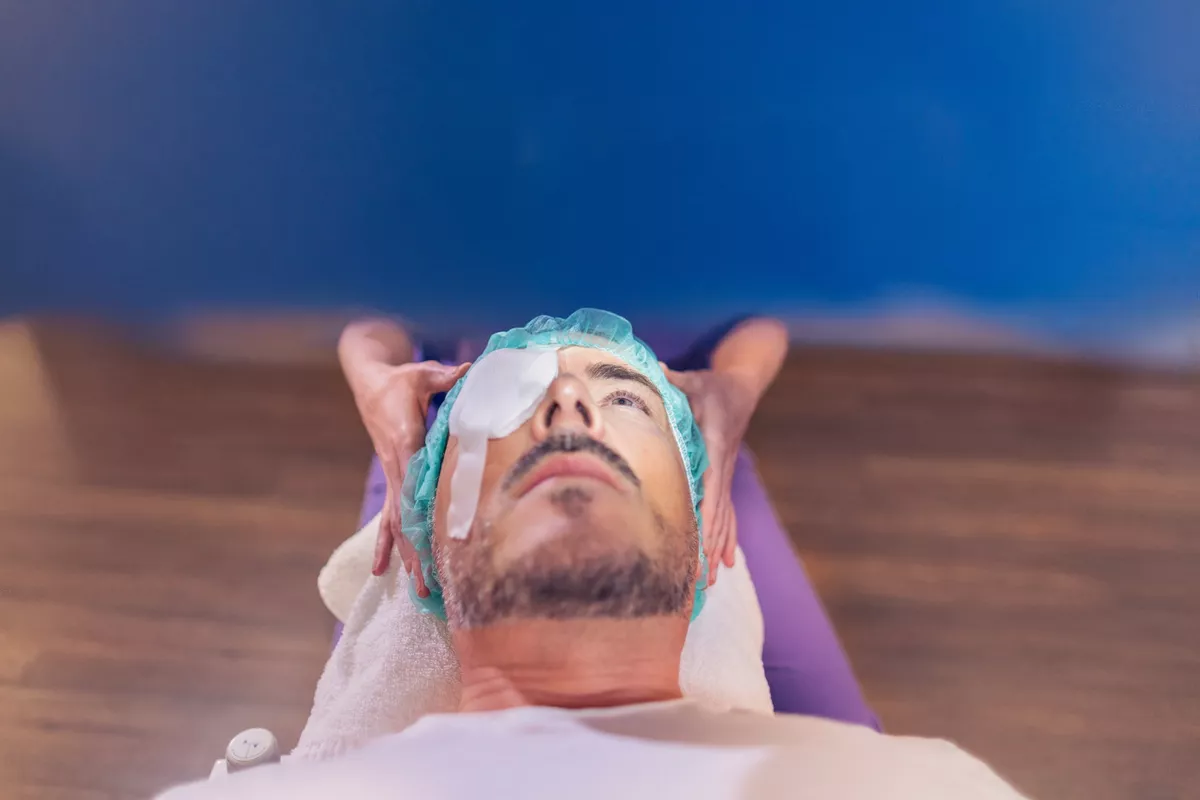
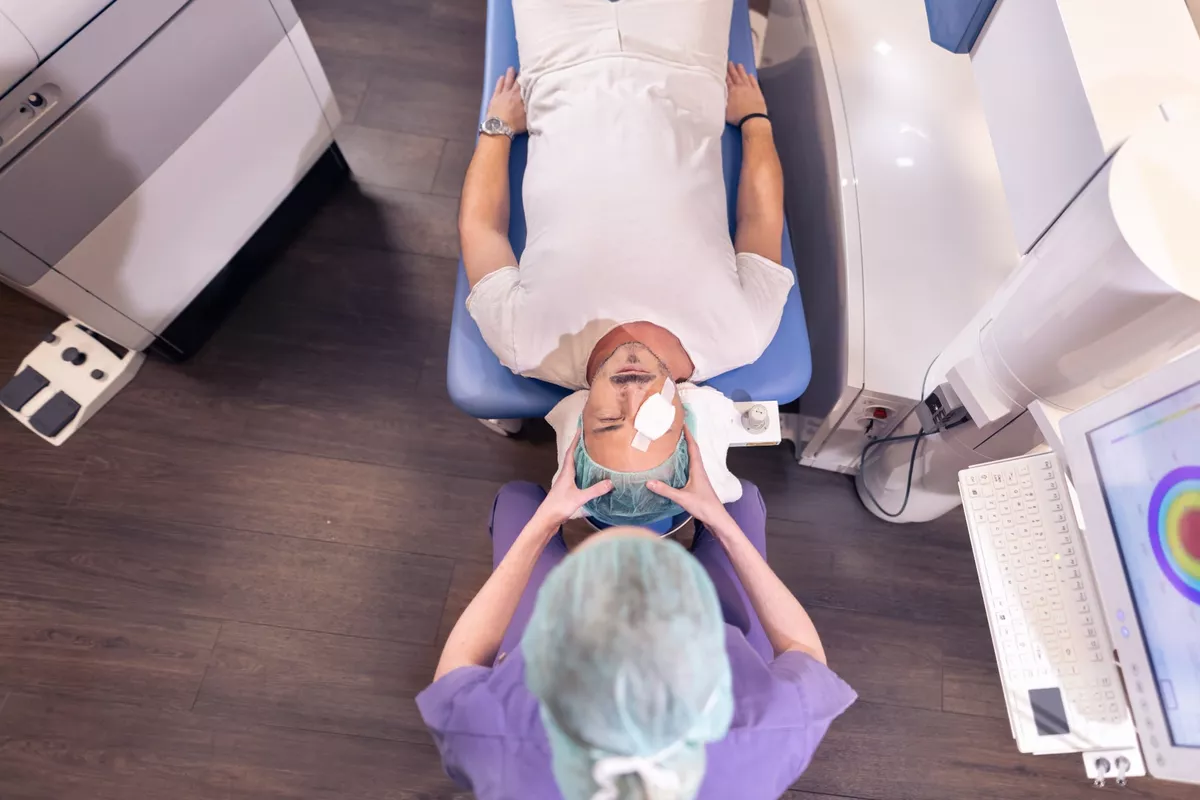
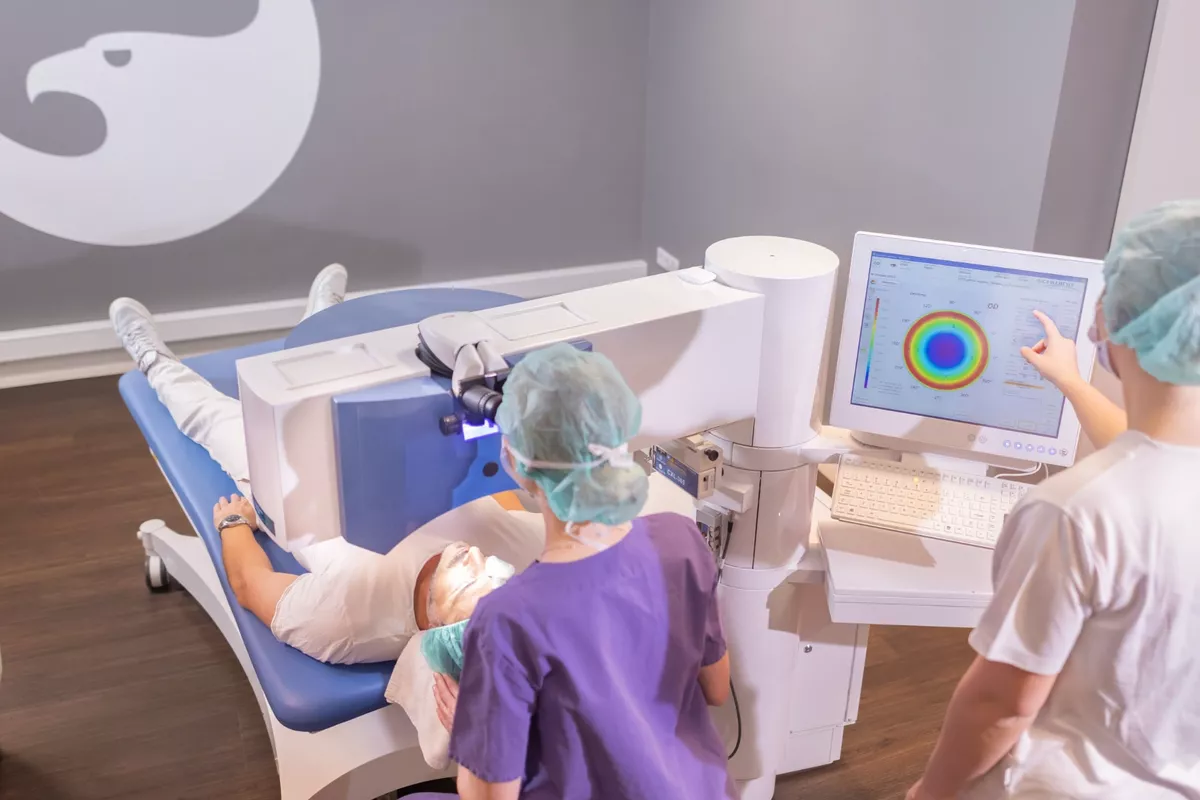
Your surgeon, Dr. Artz—or Dr. Breyer—will explain each step to you beforehand.
Before the TransPRK procedure, your eyes will be numbed with eye drops. The eye that is not being treated will be covered.
During the procedure, you’ll lie comfortably on the patient table.
The laser’s swivel arm is positioned above your eye.
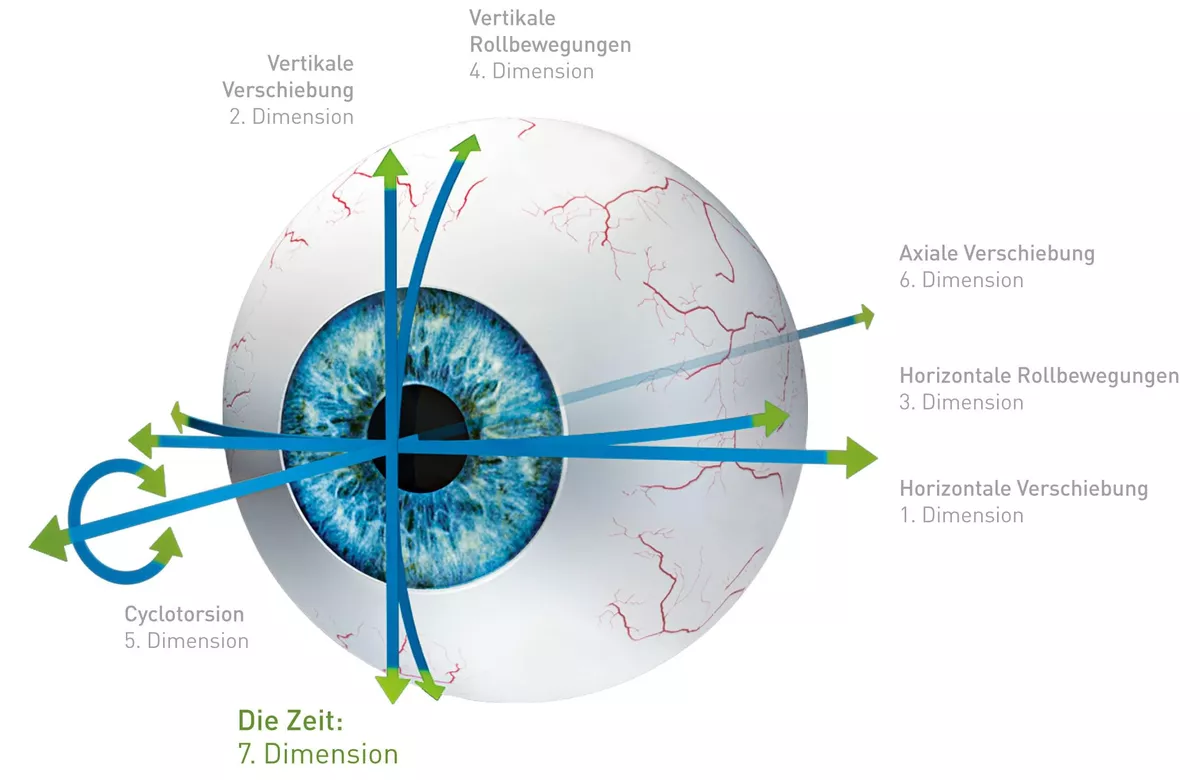
Within 30 to 60 seconds, the excimer laser performs the TransPRK—noncontact and without any incisions. In a single step, the excimer laser removes the outer, regenerative layer of the cornea (epithelium) where it will subsequently correct the refractive error through precise ablation—and only exactly where necessary: in the underlying corneal stroma. Thanks to its 7D eye tracker, it also compensates for involuntary eye movements.
This means the epithelium does not need to be removed manually, nor is an alcohol solution used, as is the case with traditional PRK methods. With the excimer laser, the epithelium can be ablated more easily, precisely, and uniformly. As a result, it heals significantly faster; typically, it has already regenerated under a special contact lens just one to two days after TransPRK.
TransPRK: Step by Step
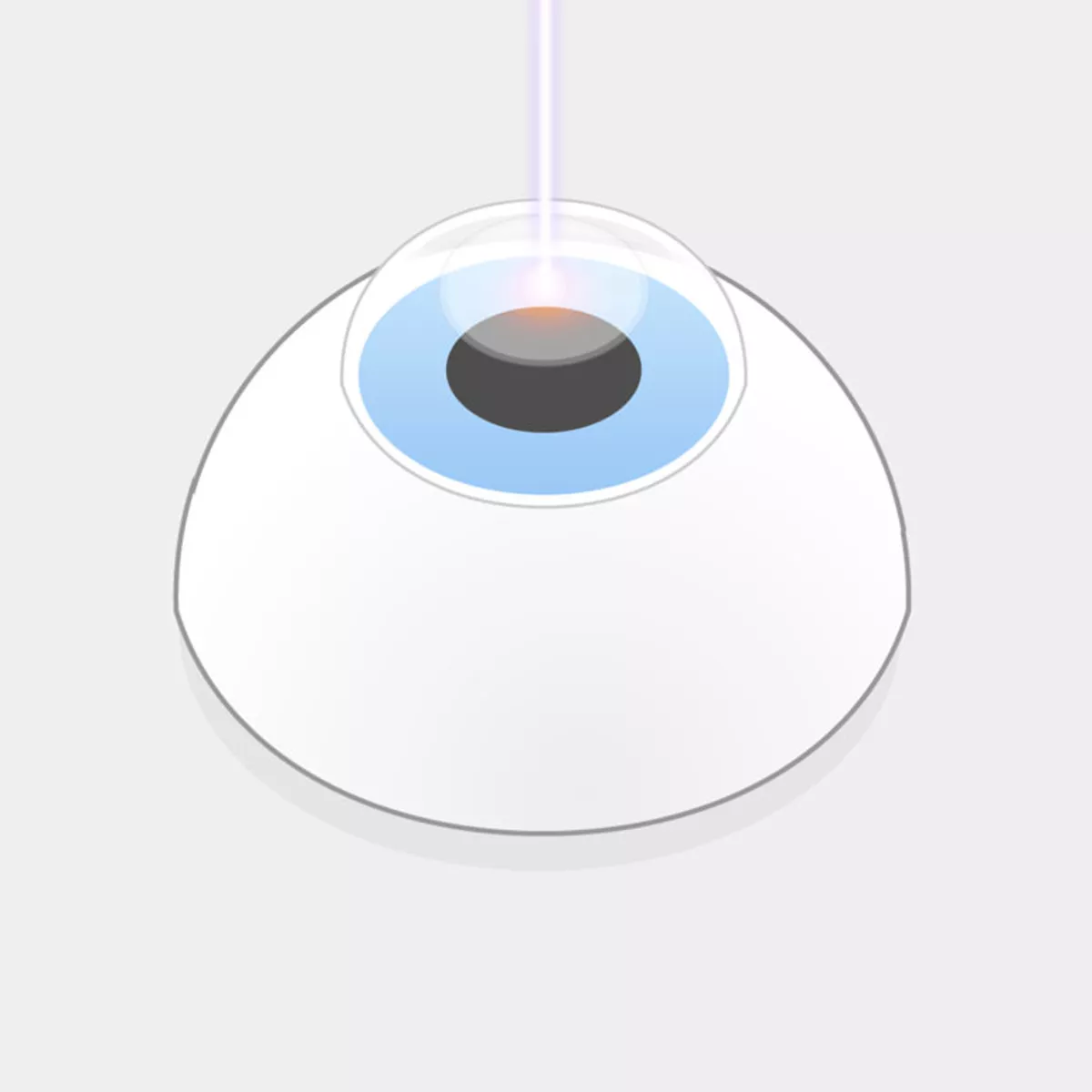
TransPRK Augenlasern Schritt 1
Die Lichtpulse des Excimerlasers verdampfen erst das Hornhautepithel und anschließend einzelne Bereiche der darunter liegenden Hornhaut, während der Patient einen Lichtpunkt fixiert und der Eyetracker jede Augenbewegung korrigiert.
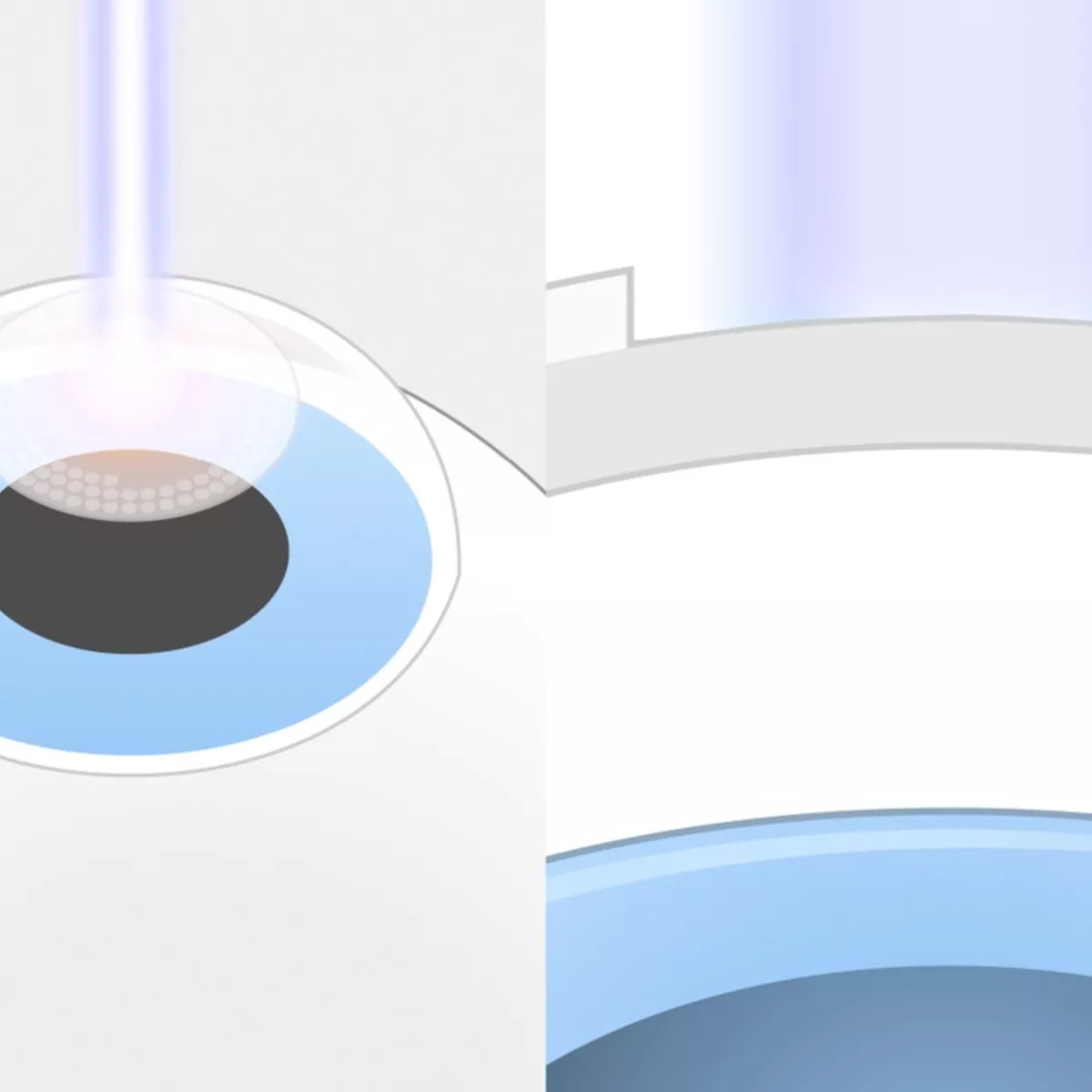
TransPRK Augenlasern Schritt 1
(Vergrößerung und Seitenansicht): Rechts sieht man, dass der Laser erst die oberste Schicht, das Epithel, entfernt und anschließend das darunter liegende Hornhautgewebe formt.
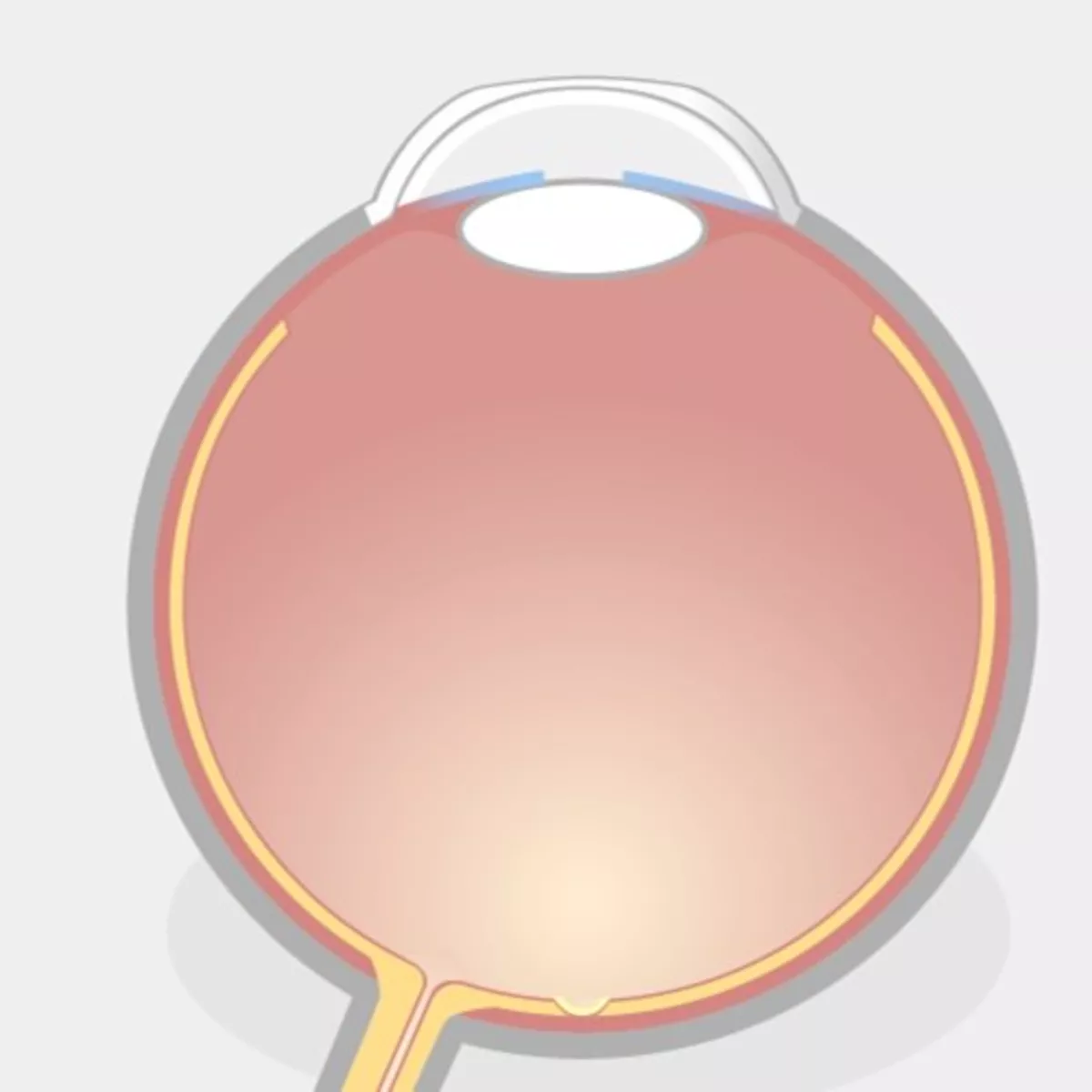
TransPRK Augenlasern Schritt 2
Nach der TransPRK-Behandlung ist die Hornhaut ohne Schutzschicht, deshalb muss eine schützende Kontaktlinse getragen werden. Schmerzen dauern 2 bis 3 Tage, währenddessen ist das Infektionsrisiko erhöht.
Smart Pulse Technology
SmartSurfACE Technology – for exceptionally smooth corneal ablation
For TransPRK, we use the new high-speed SCHWIND Amaris 1050RS excimer laser. This is the only laser that combines TransPRK with SmartSurfACE—thanks to SCHWIND SmartPulse technology, which achieves an exceptionally smooth corneal ablation (Smart Surface).
This shortens the healing process for normal corneas,
post-treatment discomfort is reduced,
and visual quality immediately after treatment is better compared to conventional surface procedures.
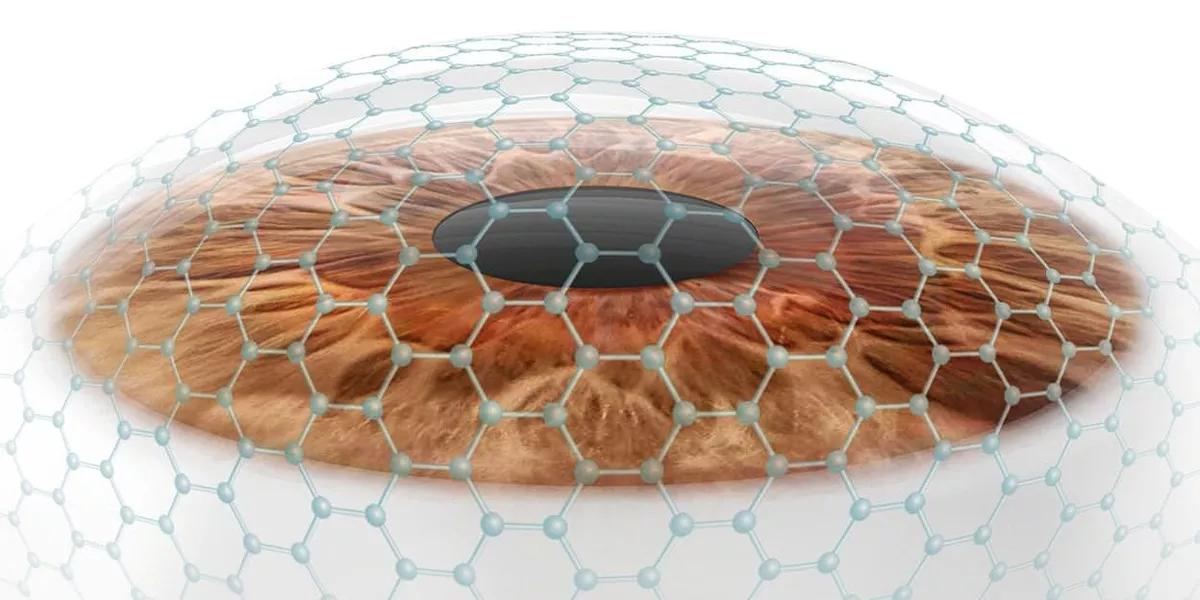
Eye Recovery
Faster recovery of vision after treatment
In the first few days, vision is still somewhat limited, and patients may experience mild discomfort—or, in rare cases, more severe symptoms. However, good visual results are typically achieved after just 2 to 3 weeks, rather than after 4 to 6 weeks as with conventional PRK procedures. Due to the residual stromal thickness typical of PRK procedures, patients with high refractive errors (up to -8 dpt) benefit from greater safety than with flap-based procedures, such as LASIK or Femto-LASIK. The visual outcomes with the SmartSurf procedure are also excellent for farsighted eyes.
Wavefront-guided treatment
Wavefront-Guided TransPRK for Irregular Corneas
For irregular corneas, we offer SmartSurfACE with wavefront-guided ablation. In this procedure, the ablation is calculated based on corneal topography and in combination with aberrometry to achieve the best possible results. This is made possible by the unique 7D eye tracker and the high pulse speed of the Schwind laser, which removes one diopter in approximately 1.3 seconds.
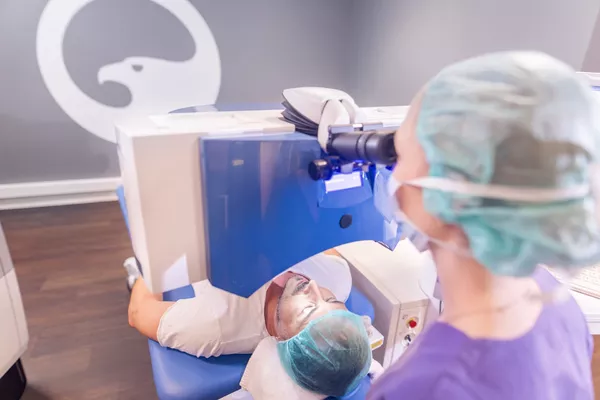
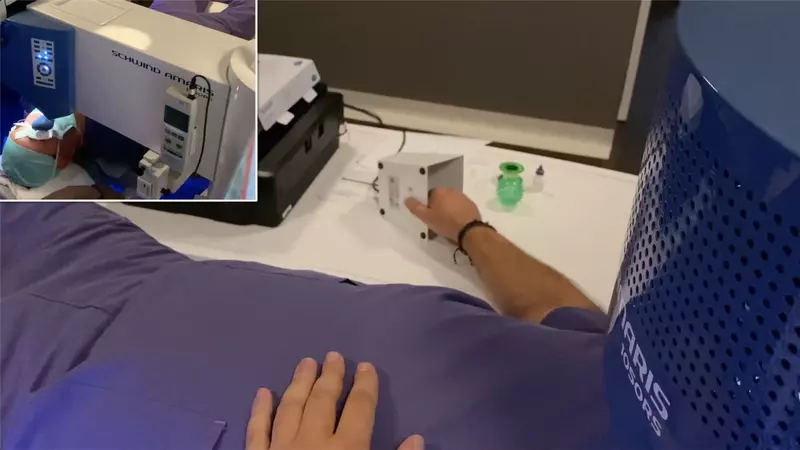
Everyone eventually reaches the age when they need reading glasses. Dr. Breyer, a specialist in the treatment of presbyopia, opted for laser vision correction using TransPRK and SmartSurfACE technology. To correct his presbyopia, he chose the ablation profile based on the PresbyEDOF-DUS formula. This achieves an extended depth of focus, allowing him to see clearly at close and intermediate distances without reading glasses or progressive lenses. Take a look at the video—otherwise, you won’t believe who performed his laser surgery...
This procedure is recommended for anyone who, for athletic or professional reasons, does not wish to undergo a procedure involving a corneal flap. TransPRK is also an option for achieving freedom from glasses in cases of thinner corneas, certain corneal conditions, irregular corneal topographies, and higher degrees of farsightedness. Special ablation profiles can even eliminate the need for reading glasses. SmartSurf can also be combined with cross-linking treatment (for conditions such as keratoconus, among others).
Scope of Application of TransPRK:
Nearsightedness up to -6 dpt
Astigmatism up to 5 dpt
Farsightedness up to 3 dpt
Limitations of TransPRK:
Nearsightedness up to -8 dpt
Astigmatism up to 6 dpt
Costs
Our Fair Prices for TransPRK
Premium TransPRK SmartSurfACE
Includes an initial consultation and examination, a preliminary examination, laser treatment by Dr. Breyer, and all necessary follow-up visits.
Wavefront-Guided TransPRK SmartSurfACE
Includes an initial consultation and examination, a preliminary examination, laser treatment by Dr. Artz, and a follow-up visit.
* The fees for our laser and lens treatments are based on the German Scale of Medical Fees (GOÄ). To help you plan better, we’ve compiled some examples of the estimated prices for a few service packages here. We’d be happy to discuss which treatment is right for you and the approximate costs you can expect after an initial examination.
By the way: The costs of laser eye treatments can be claimed as a tax deduction for extraordinary expenses under Section 33 of the Income Tax Act (EStG) without the need to submit a medical certificate from a public health officer.
Alternative Laser Eye Surgery Procedures and Suitability Tests



Book an appointment now
Schedule an appointment today for a free initial consultation with a quick assessment. Online, by phone, or via WhatsApp. We’d also be happy to call you back. We look forward to hearing from you.